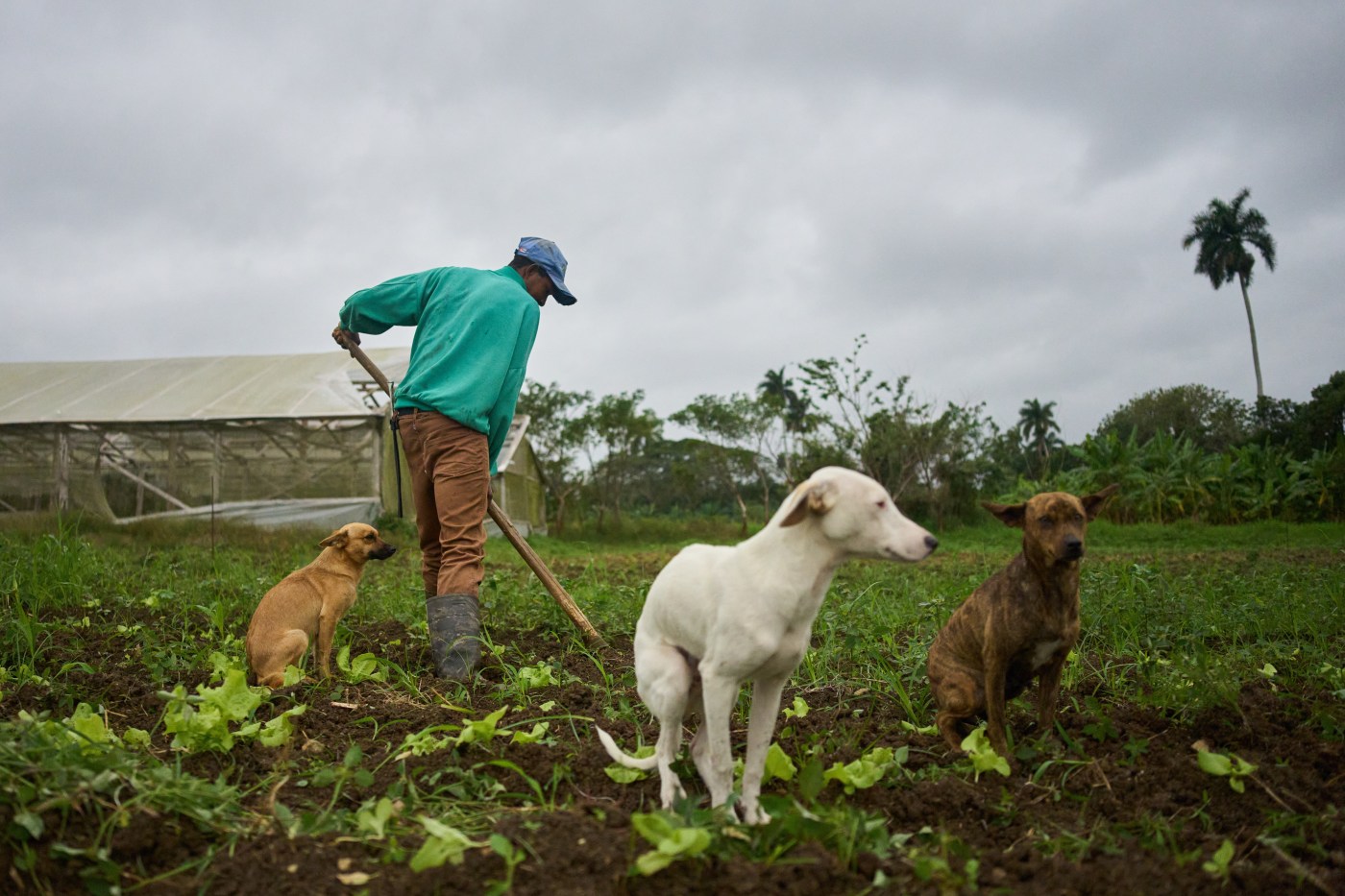
UPDATE: Urgent developments are emerging regarding Cuba’s critical situation as the nation grapples with severe food security, energy shortages, and rising disease rates. Paul Johnson, chair of the U.S. Agriculture Coalition for Cuba, has issued a compelling plea for immediate U.S. support to help stabilize the island and encourage citizens to remain and contribute to recovery.
Cuba’s private sector, now responsible for purchasing an estimated 70% of the country’s food imports, is seeking avenues for economic advancement. Despite U.S. laws permitting agricultural exports to Cuba for the past 25 years, exports remain limited. Johnson emphasizes that facilitating U.S. investment in Cuban private businesses is critical but requires reciprocal actions from the Cuban government.
The urgent call to action comes as Cuba shifts its import landscape from state-controlled to a more privatized system. Johnson argues that this transition presents a unique opportunity for U.S. agriculture to play a pivotal role in enhancing Cuba’s food security. He highlights that the framework for support already exists, but executive backing is needed to expand trade and investment.
In a related context, the U.S. continues to face scrutiny over its immigration policies. Critics are calling for reform, condemning the current tactics used by Immigration and Customs Enforcement (ICE) as oppressive. Columnist Elizabeth Shackelford warns that without public protest, the government’s heavy-handed approach will escalate, particularly under the Trump administration.
There is a growing consensus that the U.S. must prioritize humanitarian considerations in its foreign policy. As Johnson points out, ensuring food security and economic stability in Cuba is essential for creating a dynamic private sector that can thrive. The recommendations include promoting scientific collaboration and broadening bilateral trade, which would not only address immediate needs but also foster long-term partnerships.
Activists like Raul Saleme urge for a shift in narrative away from blame and towards constructive solutions for undocumented immigrants residing in the U.S. for years. The call is for bipartisan cooperation to address immigration reform, moving beyond partisan finger-pointing to create pathways for citizenship for productive members of society.
As these discussions unfold, the urgency of the situation in Cuba cannot be overstated. The U.S. has a critical role to play in supporting the Cuban people during this challenging time. Johnson’s proposals for increasing agricultural exports and investment opportunities could significantly enhance the livelihoods of Cubans while fostering mutual benefits for U.S. agricultural interests.
Next Steps: The situation requires immediate attention from U.S. lawmakers. Advocates are pushing for swift action to approve U.S. Treasury licenses that would allow for increased investment in Cuba. The success of these initiatives could reshape the economic landscape in Cuba and improve food security.
The interconnectedness of these issues underscores the need for timely and thoughtful responses from the U.S. government. Stakeholders are watching closely as the potential for positive change hangs in the balance.