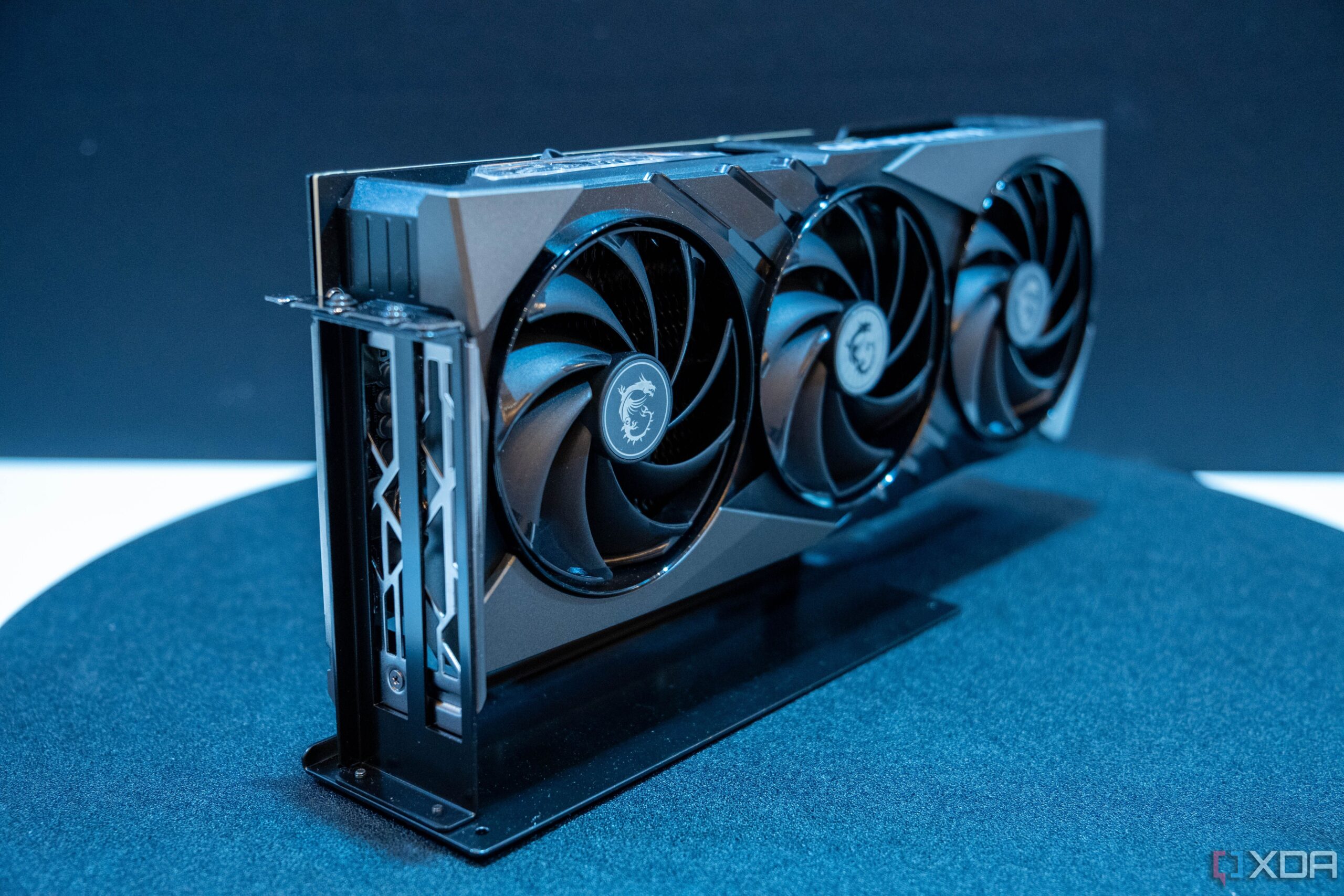
URGENT UPDATE: Gaming and creative professionals are urged to rethink their GPU upgrade strategies as new reports reveal that many consumers are paying for features they never use. With the graphics card market plagued by inflated prices and ongoing supply constraints, spending on unnecessary capabilities has become a significant issue.
The pricing structure for GPUs has become increasingly irrational, with manufacturers prioritizing enterprise margins over consumer needs. As a result, features like overclocking capabilities and excessive VRAM are leading consumers to spend more for little to no return. This trend is particularly alarming as gamers and creators face mounting pressure from rising costs and changing technology demands.
Key Findings: Recent benchmarks of the RTX 4070 Ti Super show that overclocking, once a popular selling point, yields minimal performance improvements. In fact, even the most aggressive tuning methods deliver only single-digit gains, raising questions about the value of paying a premium for “OC” editions. Modern GPUs, already pushed to their limits out of the box, leave little room for meaningful enhancements through overclocking.
Moreover, the notion of “future-proofing” is increasingly under scrutiny. Consumers are often led to believe that spending more today guarantees longevity tomorrow. However, GPU performance is not solely dictated by specifications but also by architectural advancements. For instance, Nvidia’s recent architectural shifts, such as the transition from Turing to Blackwell, have drastically altered performance expectations.
The VRAM dilemma also complicates purchasing decisions. While higher VRAM sounds appealing, the reality is that many users overestimate their needs. At 1080p resolutions, 8GB of VRAM is typically sufficient, while 12–16GB caters to most gamers at 1440p. Only at 4K do users truly require 16GB or more, and even then, optimization plays a pivotal role.
As GPU prices remain unpredictable, consumers must take control of their spending. The trend of paying for unused features, speculative future-proofing, and inflated VRAM tiers risks leaving many users with technology that underperforms relative to their investment. With so much value going untapped, it’s crucial to make informed decisions when upgrading.
WHAT TO WATCH FOR: As the GPU market continues to evolve, consumers are encouraged to assess their actual needs over marketing hype. Focus on core performance metrics and architectural efficiency rather than empty promises of future capabilities.
In conclusion, the urgent message is clear: stop upgrading GPUs for features you don’t actually use. Prioritize value and performance to ensure that your investment yields tangible results. Don’t let marketing gimmicks dictate your purchasing decisions—be informed and savvy in this ever-changing landscape.