








































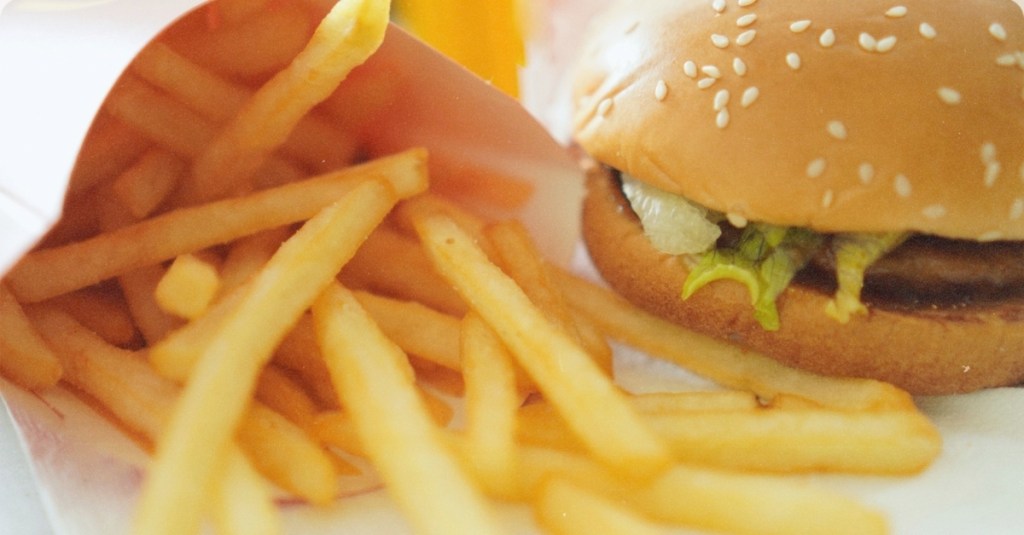
UPDATE: New data reveals that several beloved fast food items in the U.S. are alarmingly high in plastic-related chemicals. Research indicates that these contaminants, particularly phthalates, can pose serious health risks, including endocrine disruption and reproductive harm.
A recent analysis by PlasticList, detailed in a report by Newsweek, identified fast food staples that are laced with harmful plastic chemicals. This urgent finding underscores the ongoing health crisis linked to industrial food systems, where phthalates can migrate into food during processing and packaging.
TOP FAST FOODS WITH PLASTIC CHEMICALS:
1. **Taco Bell Cantina Chicken Burrito**: This item topped the list with a staggering **14,000 nanograms** of di(2-ethylhexyl) phthalate (**DEHP**) per serving, surpassing over **90%** of foods tested.
2. **McDonald’s Quarter Pounder with Cheese**: This classic burger was found to contain over **400,000 nanograms** of bis(2-ethylhexyl) terephthalate (**DEHT**) and high levels of diisobutyl phthalate.
3. **Burger King Whopper with Cheese**: The Whopper showed extraordinarily high DEHT levels, reaching into the millions of nanograms per serving, marking it as one of the most contaminated items.
4. **Burger King Chicken Nuggets**: These nuggets also displayed multiple plastic chemicals, showcasing how heavily processed foods accumulate contamination throughout their production.
5. **Wendy’s Burgers**: Several burgers from Wendy’s were near the top for DEHT and di(2-ethylhexyl) adipate, with measurements in the millions of nanograms per serving.
6. **Shake Shack Cheeseburgers and Vanilla Shakes**: Shake Shack’s offerings featured DEHP levels higher than most tested foods, while its vanilla shakes contained notable amounts of DEHA.
URGENT CONTEXT: Phthalates are not tightly bound to plastics, making them prone to leaching into food. As David Andrews, acting chief science officer at the Environmental Working Group, explained, these chemicals remain in food due to a lack of FDA bans despite growing evidence of their health risks.
“Phthalates are still being detected in food and specifically in fast food and ultra-processed food because the FDA has not banned the use of these chemicals,” Andrews stated.
Researchers emphasize that highly processed foods move through numerous industrial processes, increasing the likelihood of contamination. Susanne Brander from Oregon State University noted that phthalates are used extensively across food systems—from packaging to machinery—facilitating exposure.
IMMEDIATE IMPACT: The findings are a wake-up call for consumers who may unknowingly ingest these harmful chemicals. With fast food a staple in many diets, the health implications could be vast and troubling.
Experts acknowledge that completely avoiding plastic exposure is unrealistic, but the focus should shift to systemic changes in food production and policy. As Rolf Halden of Arizona State University remarked, the complexity of the food system raises contamination risks at every step.
WHAT’S NEXT: As this story develops, consumers are encouraged to stay informed about these findings and consider alternatives to heavily processed fast food. Advocacy for stricter regulations on plastic chemicals in food remains critical.
Share this urgent news to raise awareness about the potential health risks associated with fast food consumption and to encourage discussions on necessary changes in food safety standards.
























