








































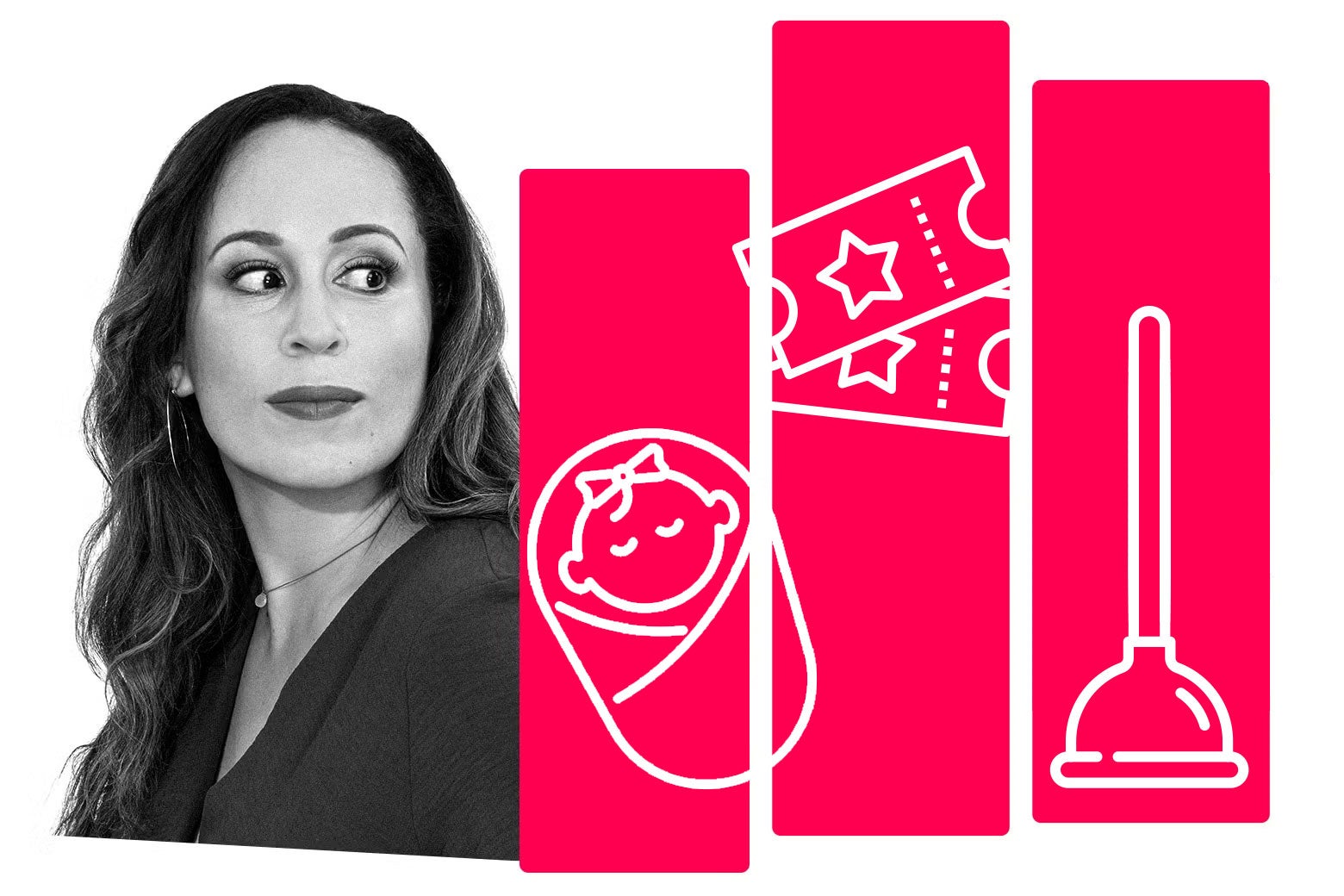
UPDATE: A wave of anxiety is sweeping through parents as they confront the reality of their children reaching crucial milestones, particularly as teenagers approach adulthood. In a recent advice column by Jenée Desmond-Harris, readers are sharing their urgent concerns about “empty nest syndrome” and the emotional turmoil that comes with it.
The column highlights a troubling trend among parents, with many expressing deep emotional distress as their children grow older. One reader, known as Baby Crazy, revealed feelings of panic as her child turns 17, prompting her to consider having another baby. This sentiment resonates deeply, as parents grapple with the impending loss of daily parenting roles when their children become independent.
Key Insight: Experts suggest that parents should seek counseling to address these feelings rather than making impulsive decisions about expanding their families. The emotional impact of watching children grow up can lead to premature mourning over parenthood, often overshadowing the joys of current family dynamics.
One response from a reader named Robin emphasizes that active parenting doesn’t end at age 18, but rather evolves as children seek guidance and support well into adulthood. This perspective aims to alleviate the sense of abandonment many parents feel as their kids transition into adulthood.
The column, which is published weekly, has sparked significant discussion across social media platforms. Many parents are sharing their own experiences, revealing how common this anxiety truly is. Anonymous, another reader, noted that the desire for another child could stem from a deep-seated fear of being alone once the current child leaves home.
What’s Next: As these discussions continue to gain traction, parents are encouraged to reflect on their emotional needs and the implications of parenting decisions. The ongoing dialogue around these issues highlights the importance of mental health support for families navigating the complex emotions tied to growing children.
In addition to parenting anxieties, the column addresses other pressing matters, such as the etiquette of smartphone usage in social settings. A reader, referred to as Movie Guy, criticized individuals for checking their phones in theaters, urging everyone to disconnect and focus on shared experiences.
This evolving conversation reveals a broader societal concern about parenting, technology, and the emotional health of families. As this narrative unfolds, it’s clear that the challenges of modern parenting are multifaceted and require thoughtful engagement.
Parents are encouraged to stay informed and seek support as they navigate these turbulent waters. For those experiencing similar feelings, resources are available to help manage the emotional toll of watching children become independent. Stay tuned for more developments in this ongoing discussion.
























