








































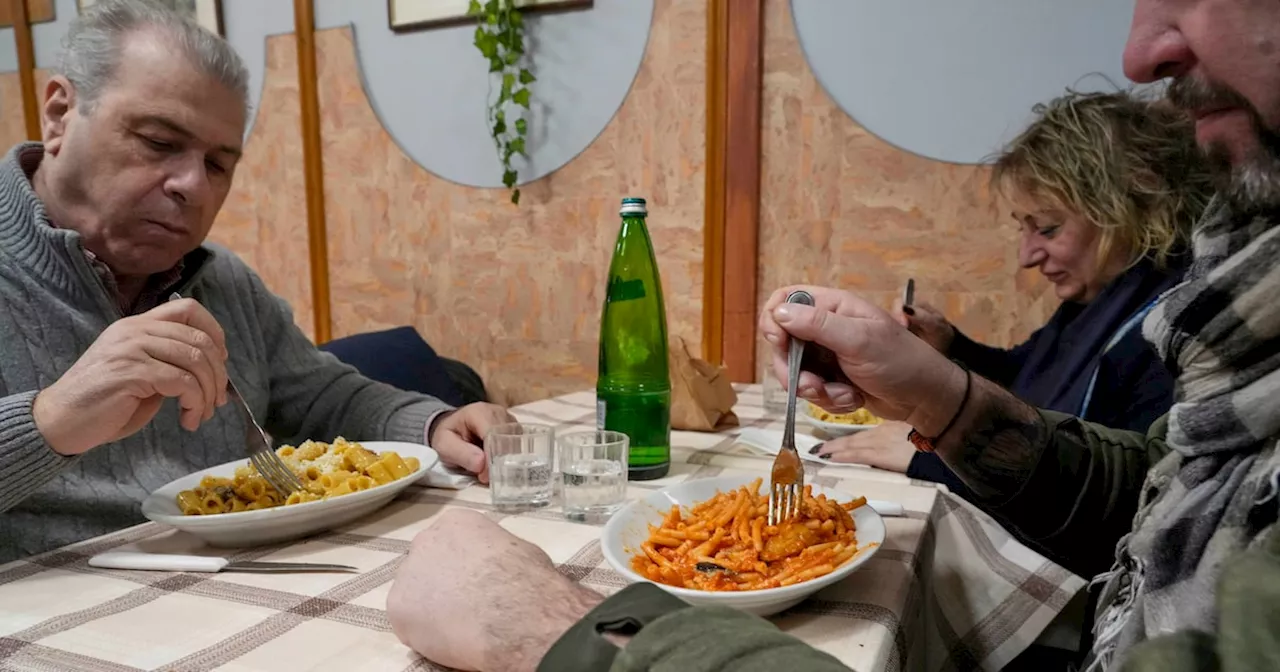
UPDATE: UNESCO has officially recognized the cultural significance of Italian cooking rituals, designating them as part of the world’s “intangible” cultural heritage. This announcement, made on July 15, 2023, during a meeting in New Delhi, celebrates the deep-rooted traditions surrounding Italian cuisine, including cherished practices like the Sunday family lunch and grandmothers teaching their grandkids how to make tortellini.
This recognition not only honors Italy’s culinary artistry but also elevates the importance of these traditions globally. “Cooking is a gesture of love, a way in which we tell something about ourselves to others and how we take care of others,” remarked Pier Luigi Petrillo, a member of the Italian UNESCO campaign and professor at Rome’s UnitelmaSapienza University. He emphasized that the Italian dining experience—where meals are savored over extended periods—sets Italy apart from other cultures.
The UNESCO listing, which adds to Italy’s existing recognition of 13 other cultural practices, underscores the country’s emphasis on sustainability, fresh ingredients, and regional diversity. It champions the notion that Italian cuisine is more than just food; it embodies culture, tradition, and community.
“Today, wherever you go in the world, everyone knows the word spaghetti. Everyone knows pizza,” said Francesco Lenzi, a pasta maker from Rome’s Osteria da Fortunata. His sentiments reflect the global impact of Italian cuisine, which has become a staple in households worldwide.
UNESCO’s decision was part of a broader review that considered 53 nominations for the representative list of intangible heritage, which currently includes 788 items. Other cultural practices recognized include the cider culture of Spain and the traditional cheese-making in Brazil.
This recognition is also expected to have significant economic impacts. Petrillo noted that following Italy’s previous UNESCO listings, particularly in 2017, there was a surge in accredited schools for pizza makers, increasing by more than 400%. The ripple effects of this latest designation are likely to boost tourism and the sales of Italian food products globally.
As the world celebrates Italy’s culinary heritage, the emotional connections fostered through shared meals resonate deeply. Visitors like Mirella Pozzoli, who was at Rome’s Pantheon, expressed the unique value Italians place on dining together: “Sitting at the table with family or friends is something that we Italians cherish and care about deeply.”
With this UNESCO recognition, Italy’s food culture takes center stage, serving as a reminder of how cooking and dining rituals can bring people together across generations and geographies. As the world watches, Italy continues to showcase the power of food as a vital aspect of cultural identity and community bonding.
Stay tuned for further updates on how this recognition will shape Italy’s culinary landscape and its global influence.
























