








































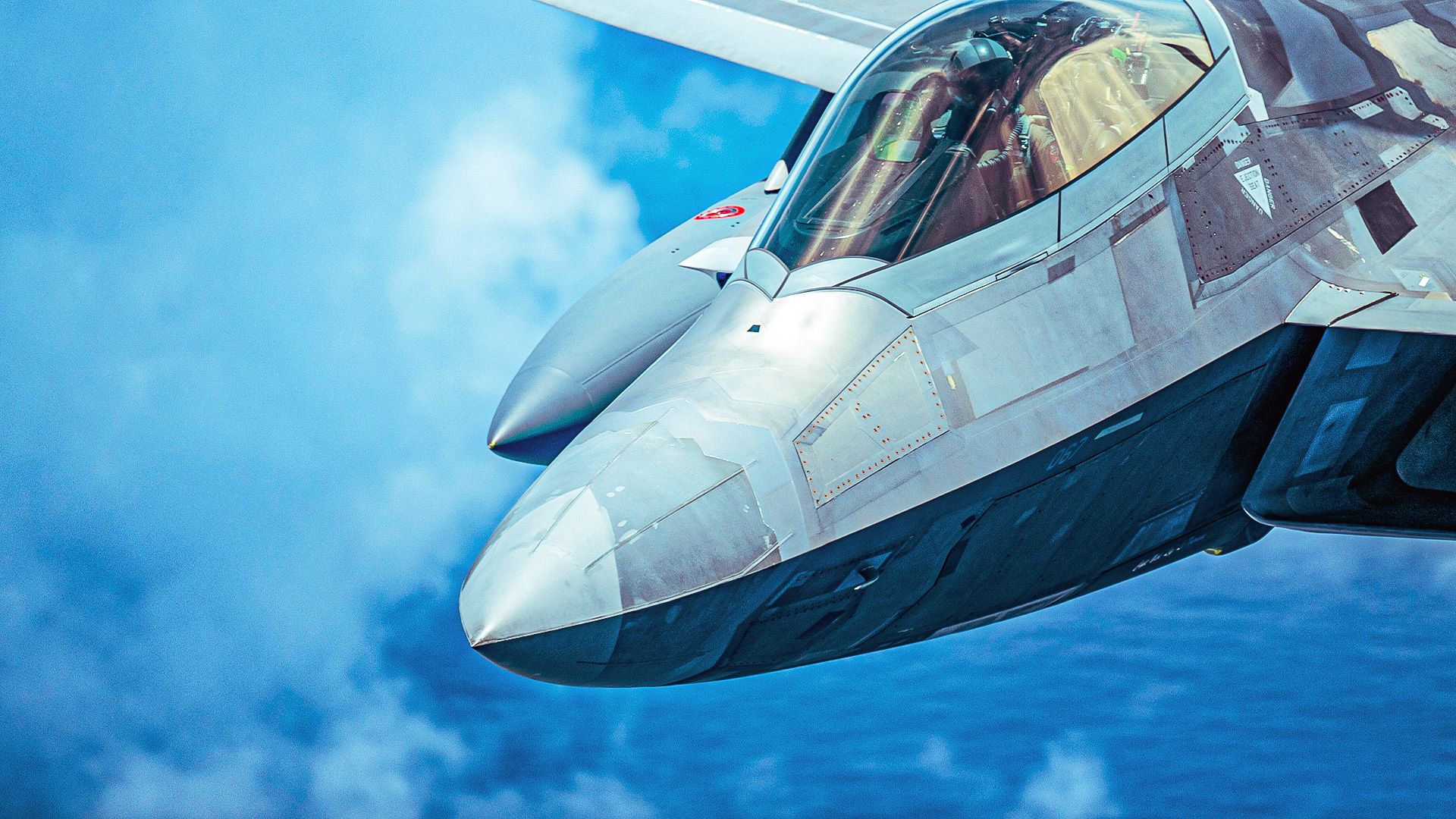
The size and composition of the United States Air Force (USAF) fighter jet fleet are vital indicators of American military power. Recent assessments reveal a complex picture that goes beyond simply counting aircraft. Understanding the number of fighter jets involves exploring the broader implications of force structure, modernization trends, and operational doctrine within the context of contemporary combat aviation.
Understanding the Fleet Composition
The USAF operates the largest and most technologically diverse fleet of fighter jets in the world. Current estimates suggest that the Air Force has approximately 1,800 fighter aircraft, which include a mix of legacy models and advanced stealth platforms. This diverse composition reflects strategic priorities, funding decisions made by Congress, and the ongoing evolution of military aviation.
Fighter aircraft, known for their visibility and expense, serve as critical components of military readiness and deterrence. Their numbers are often interpreted as shorthand for the USAF’s overall capability and global reach. Each aircraft type plays a distinct role in the Air Force’s operational strategy, contributing to its ability to address various threats effectively.
The definition of a “fighter jet” within the USAF context further complicates the picture. Traditionally, fighter jets are categorized based on their roles, including air superiority, multirole, and ground attack missions. This categorization affects how the Air Force structures its fleet and allocates resources.
Strategic Implications and Modernization Efforts
The balance between legacy aircraft and state-of-the-art stealth platforms is particularly significant. While older models like the F-15 and F-16 continue to serve, the introduction of advanced aircraft such as the F-35 Lightning II represents a major shift in capabilities. The F-35 program, which aims to provide a next-generation multirole fighter, exemplifies the Air Force’s commitment to modernization.
Funding for these modernization efforts often comes from congressional appropriations, which can fluctuate based on political priorities and defense spending policies. The necessity for a well-balanced fleet underscores the ongoing debates around military funding and strategic readiness.
As the USAF continues to adapt to emerging threats, the evolution of fighter jet technology will remain a focal point of its strategic planning. The integration of new technologies such as artificial intelligence, enhanced radar systems, and advanced weaponry will likely redefine the capabilities of future fighter jets.
Ultimately, the number of fighter jets in the USAF is more than just a statistic; it reflects a complex interplay of strategy, funding, and technological advancement that shapes the United States’ military posture on the global stage. The Air Force’s commitment to maintaining a versatile and capable fighter fleet is crucial for ensuring national security and responding to international challenges.
























