








































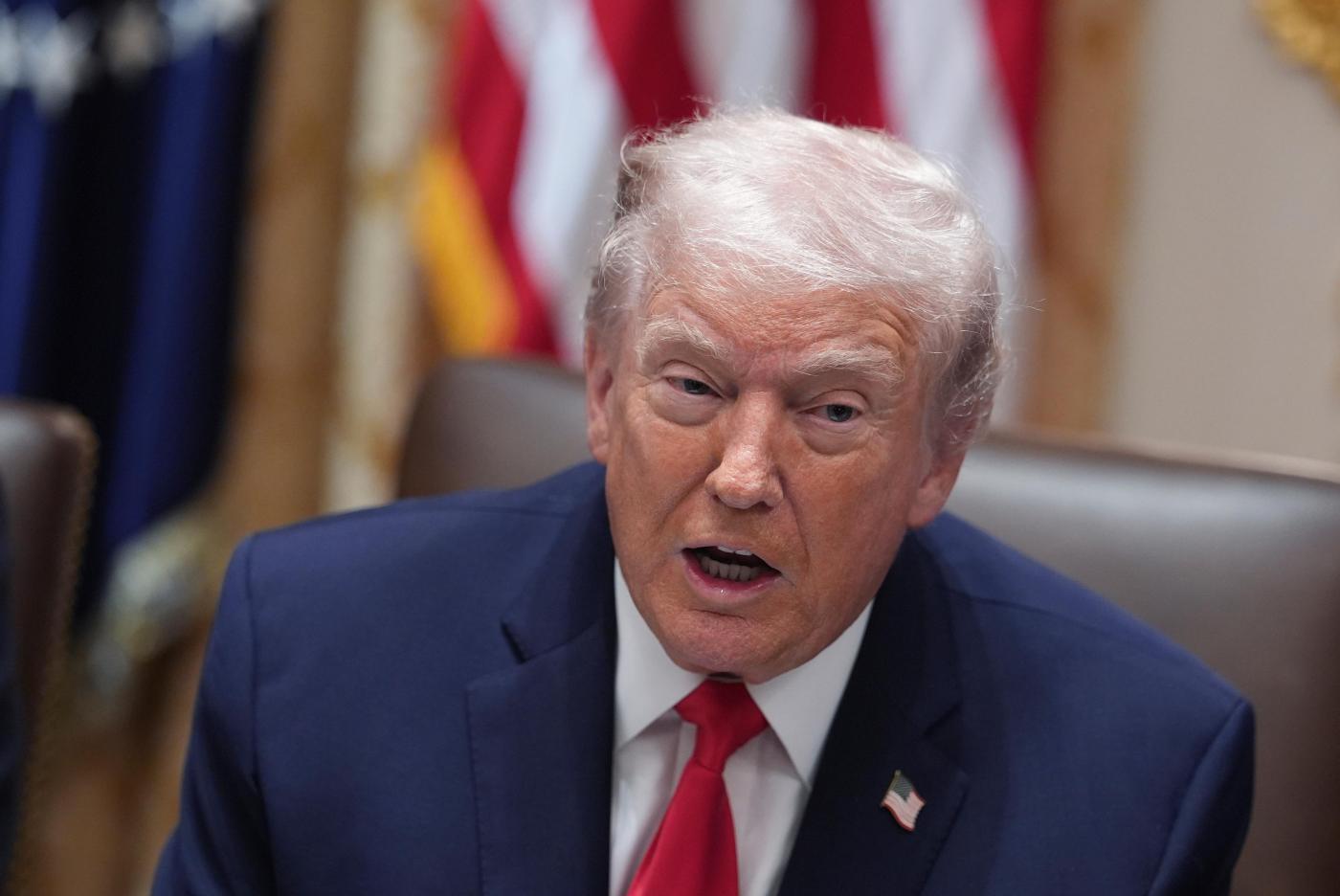
President Donald Trump has announced plans to reopen Venezuelan airspace for commercial travel, allowing American citizens to visit the country. During a statement made on March 7, 2024, Trump informed Venezuelan leader Delcy Rodríguez of his decision, instructing U.S. Transportation Secretary Sean Duffy and military leaders to facilitate the reopening by the end of that day. Trump asserted, “American citizens will be very shortly able to go to Venezuela, and they’ll be safe there.”
The announcement follows a series of diplomatic shifts aimed at improving U.S.-Venezuelan relations. Earlier this week, the Trump administration notified Congress of its intent to potentially reopen the shuttered U.S. Embassy in Caracas. A notice from the State Department, dated March 4, indicated that a growing number of temporary staffers would be sent to Venezuela to conduct “select” diplomatic functions.
Details of the Reopening Plans
The U.S. Embassy in Venezuela has been closed since the military intervention that ousted former President Nicolás Maduro. The recent decision to open airspace signifies a potential thaw in relations between the two nations, which have been strained for years.
In a letter sent to ten House and Senate committees, the State Department outlined its phased approach to resuming operations in Caracas. The letter stated, “We are writing to notify the committee of the Department of State’s intent to implement a phased approach to potentially resume Embassy Caracas operations.” The move reflects a strategic shift as the U.S. seeks to engage diplomatically with Venezuela following a period of isolation.
In his announcement, Trump emphasized the safety of American travelers, a point that has been a concern for many due to the political and social turmoil in Venezuela. The reopening of airspace is expected to facilitate not only tourism but also potential business opportunities for U.S. companies looking to engage with the South American market.
Implications for U.S.-Venezuelan Relations
While the details of the reopening remain to be fully outlined, this initiative signifies a significant policy change under the Trump administration. The U.S. has long imposed sanctions on Venezuela, primarily focused on its oil sector and political leadership. However, the recent diplomatic overtures suggest a willingness to explore new avenues for engagement.
The decision to facilitate travel and reopen the embassy could have broader implications for regional stability and U.S. interests in Latin America. Analysts are closely monitoring these developments, as they may reshape the landscape of U.S. foreign policy in the region.
Trump’s announcement marks a notable shift in the narrative surrounding Venezuela, which has been characterized by economic challenges and humanitarian crises. As the U.S. prepares to welcome American travelers back to Venezuela, the global community will be watching closely to see how this initiative unfolds and what it means for the future of U.S.-Venezuelan relations.
























