








































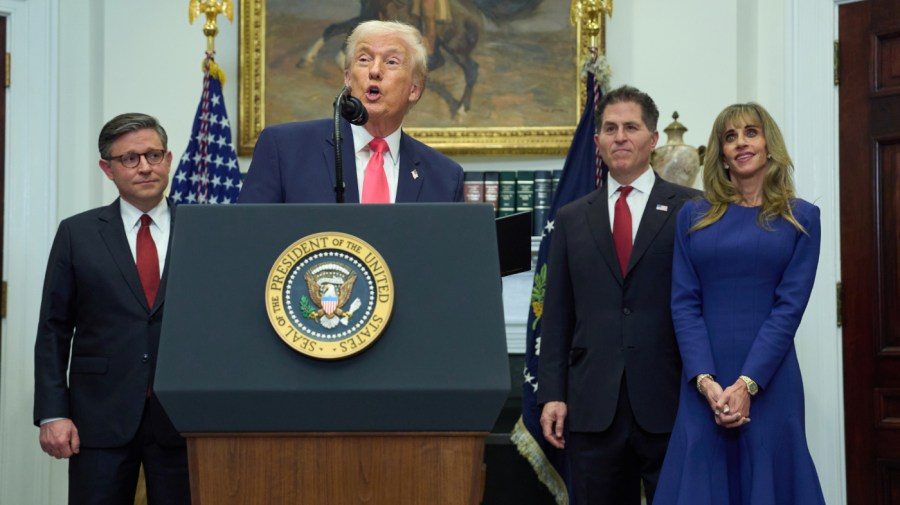
A proposal for establishing “Trump Accounts,” a new savings initiative aimed at children, has gained traction as advocates highlight its potential benefits. Designed as an at-birth Individual Retirement Account (IRA), these accounts could set the foundation for financial security from an early age. Supporters argue that every child deserves access to these accounts to harness their advantages effectively.
The concept revolves around two distinctive features that make Trump Accounts particularly appealing. Firstly, they can accumulate tax-free growth, enabling savings to increase without the burden of immediate taxation. Secondly, funds can be withdrawn without penalty for specific educational or first-time home purchase expenses. These features align with broader efforts to enhance financial literacy and savings among young people.
Implementation of Trump Accounts would require a concerted effort from policymakers and financial institutions. Advocates propose that legislation should be enacted to facilitate the establishment of these accounts at birth, ensuring that every child is afforded the opportunity to benefit from them. This would involve collaboration with financial institutions to create user-friendly processes for parents and guardians.
Donald Trump, a prominent supporter of the initiative, has emphasized the importance of financial empowerment for future generations. He stated that “investing in our children’s futures is an investment in America’s future.” This sentiment reflects a growing consensus that early financial education and savings can significantly impact long-term economic health.
Financial experts suggest that establishing Trump Accounts could help bridge the wealth gap, providing lower-income families with a viable means to save for their children’s future. By starting early, these accounts could allow children to grow their savings over time, potentially leading to greater financial stability as they transition into adulthood.
As discussions around Trump Accounts continue, supporters are gathering momentum. Various financial organizations are exploring how to integrate these accounts into their offerings, aiming to create a seamless experience for families. This initiative could also spark a broader conversation about the role of savings accounts in childhood development and financial planning.
The proposal for Trump Accounts is timely, particularly as many families face economic uncertainties. By promoting savings from birth, advocates hope to instill a culture of financial responsibility in younger generations. The initiative could serve as a model for other countries looking to enhance financial literacy among youth.
In conclusion, the push for Trump Accounts underscores a significant shift towards prioritizing financial education and savings for children. As discussions progress, the focus will be on how to turn this idea into a reality, ensuring that every child has the tools necessary to build a secure financial future.
























