








































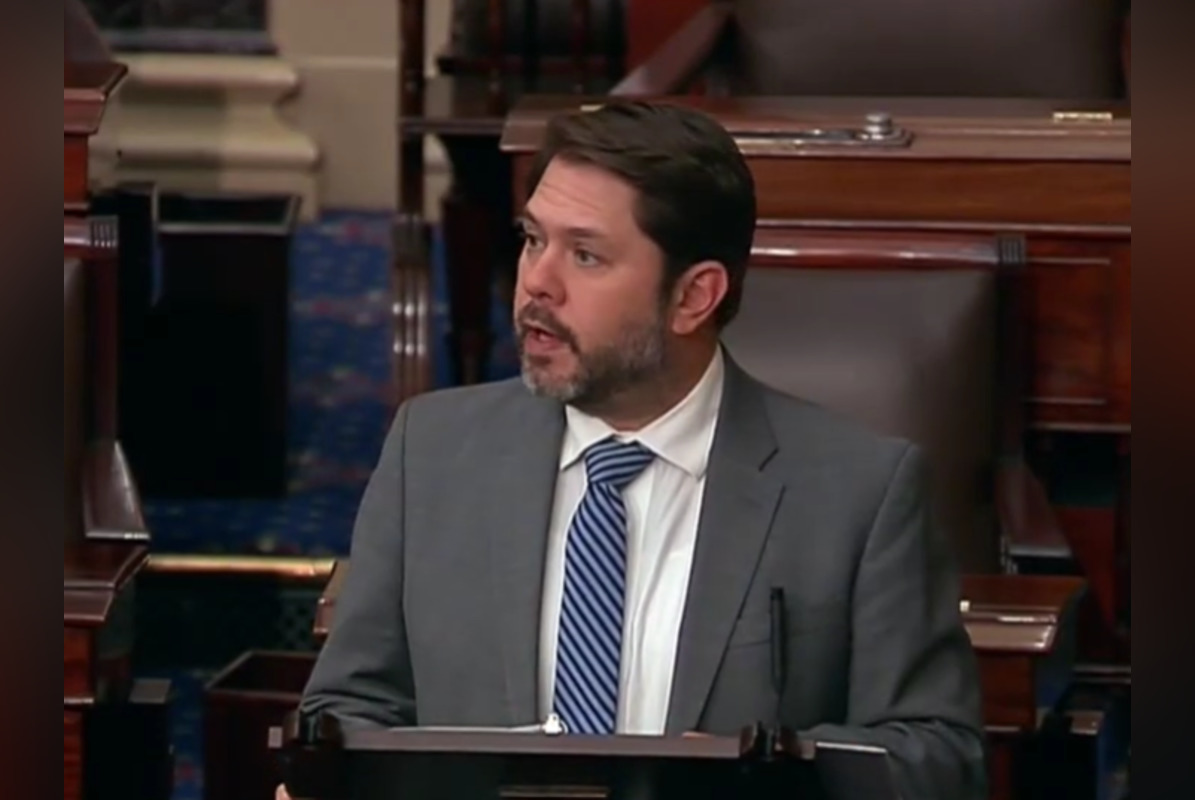
Arizona Senator Ruben Gallego has publicly criticized President Donald Trump for his military actions in Venezuela, raising significant concerns about the potential for another prolonged conflict. During a recent speech on the Senate floor, Gallego, a Democrat and a veteran of the Iraq War, expressed his apprehension regarding the administration’s strategy, which he believes lacks a clear direction reminiscent of the lead-up to the Iraq War.
Gallego’s remarks came in response to the United States’ military engagement that has escalated amid ongoing tensions in Venezuela, particularly following the capture of Venezuelan President Nicolás Maduro. He argued that the nation should not “blindly go into another illegal war for oil,” emphasizing the risks associated with unchecked military intervention.
Constitutional Concerns Raised
In his speech, Gallego highlighted constitutional issues surrounding military engagement, stating, “The Constitution is clear. Only Congress has the authority to decide when to go to war.” He had previously introduced a War Powers Resolution aimed at halting hostilities unless Congress grants approval. This move underscores the senator’s commitment to ensuring that military decisions adhere to constitutional guidelines.
Gallego’s concerns are situated within a broader historical context, referencing past military actions in the Caribbean Sea and the Eastern Pacific Ocean. He warned that the current situation mirrors those past conflicts, which often ended with significant human and financial costs.
Domestic Impact of Foreign Conflicts
The senator’s speech also touched on the domestic implications of foreign military actions. He expressed his commitment to the people of Arizona, particularly the working-class youth who disproportionately serve in the military. “If we allow this to continue, I will have to look into the eyes of young men and women in Arizona – working-class kids like everywhere in this country – who are disproportionately the ones who serve in our military and explain what they’re risking their lives for,” Gallego stated.
Gallego’s passionate address raised critical questions about who truly benefits from military conflicts. “Who does this war really benefit? It’s clearly not the American people,” he remarked, emphasizing the need for a thorough examination of the motivations behind military engagements.
As the situation in Venezuela continues to unfold, Gallego’s criticisms serve as a reminder of the importance of congressional oversight in military actions. His stance reflects a growing concern among lawmakers regarding the implications of the United States’ foreign policy decisions and their impact on both international stability and domestic welfare.
























