








































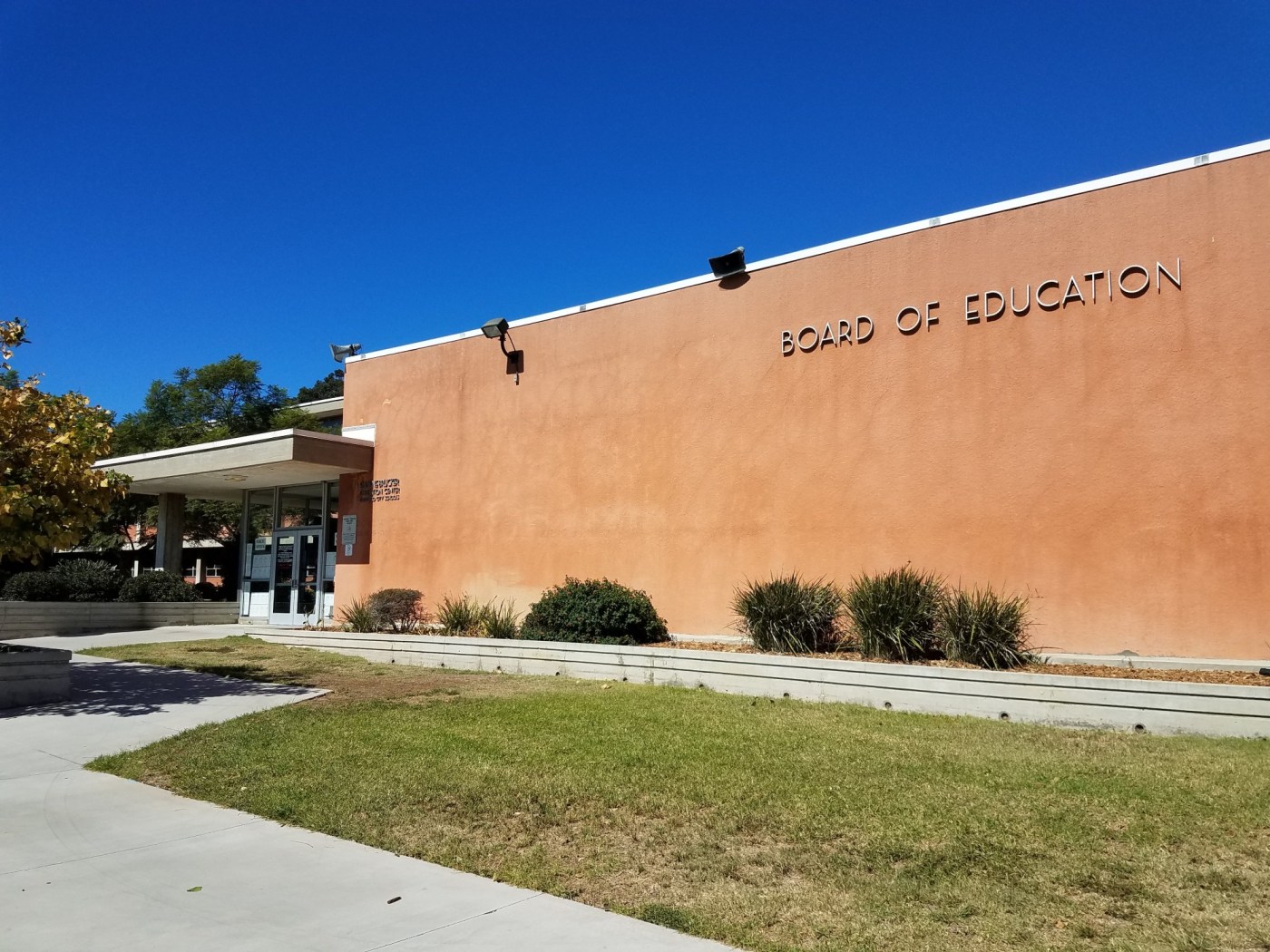
UPDATE: The San Diego Unified Board of Trustees has just approved a groundbreaking plan to build over 2,388 housing units for school staff on various school sites. This decision marks a crucial step in addressing the urgent housing crisis affecting educators across California and aims to support 10% of the district’s workforce by 2030.
During two critical meetings this week, trustees authorized negotiations for four key sites, including the district headquarters at 4100 Normal Street in University Heights. This ambitious project is designed to provide subsidized housing, alleviating the challenges of recruiting and retaining quality educators while combating declining student enrollment.
Why This Matters RIGHT NOW: California is grappling with a severe housing shortage, and school districts are stepping up to address this issue. By creating affordable living options, San Diego Unified aims to stabilize its workforce, fostering a healthier educational environment for students and families. Board President Richard Barrera emphasized the necessity of multi-bedroom units to attract families, stating, “Our dual big challenges are recruiting and retaining quality educators and declining enrollment of students.”
Details of the approved sites include:
– **Eugene Brucker Education Center**: A plan targeting 1,500 subsidized units for individuals earning between $57,900 and $109,800 annually.
– **2101 Commercial Street**: A project offering 174 units for individuals with incomes from $34,750 to $92,700 annually.
– **Fremont/Ballard Center**: Featuring 420 workforce units ranging from 30% of median income to market rate.
– **Revere Center**: Providing 294 affordable units for various income levels.
The discussions surrounding these developments have not been without controversy. The proposal for the district headquarters drew significant public interest, with over 50 commenters voicing their opinions. While some supported the high-density housing plan, others raised concerns about overwhelming the neighborhood. Community voices like Marc Johnson of the Community Coalition of University Heights argued for a developer more aligned with community goals.
Amidst the debate, advocates for maximum housing density, such as Wesley Morgan from YIMBY Democrats, urged trustees to prioritize green spaces and walkable areas, stating, “Please maximize height so you can create real green spaces.” The desire for mixed-income housing was echoed by the San Diego Educators Association President Kyle Weinberg, who highlighted the importance of diverse backgrounds for students.
The urgency of these developments cannot be overstated. As the district had previously approved negotiations for additional housing units at the Instructional Media Center, the total now stands at 2,495 units. The board is committed to enhancing the quality of housing available for educators and their families, a move seen as vital for the health of the entire school district.
Looking ahead, the district is poised to negotiate with developers to ensure that the projects meet the needs of the community and staff. Barrera noted, “The projects are going to be better, and the public has had much more of a chance to see what’s being proposed and weigh in.”
The housing initiative is part of a larger trend among California school districts responding to the housing crisis, with San Diego Unified leading the charge to create a sustainable future for their workforce. As the state continues to tackle its housing challenges, the success of this plan could serve as a model for other districts facing similar struggles.
Stay tuned for further updates on this developing story as San Diego Unified takes significant strides toward securing affordable housing for its educators.
























