








































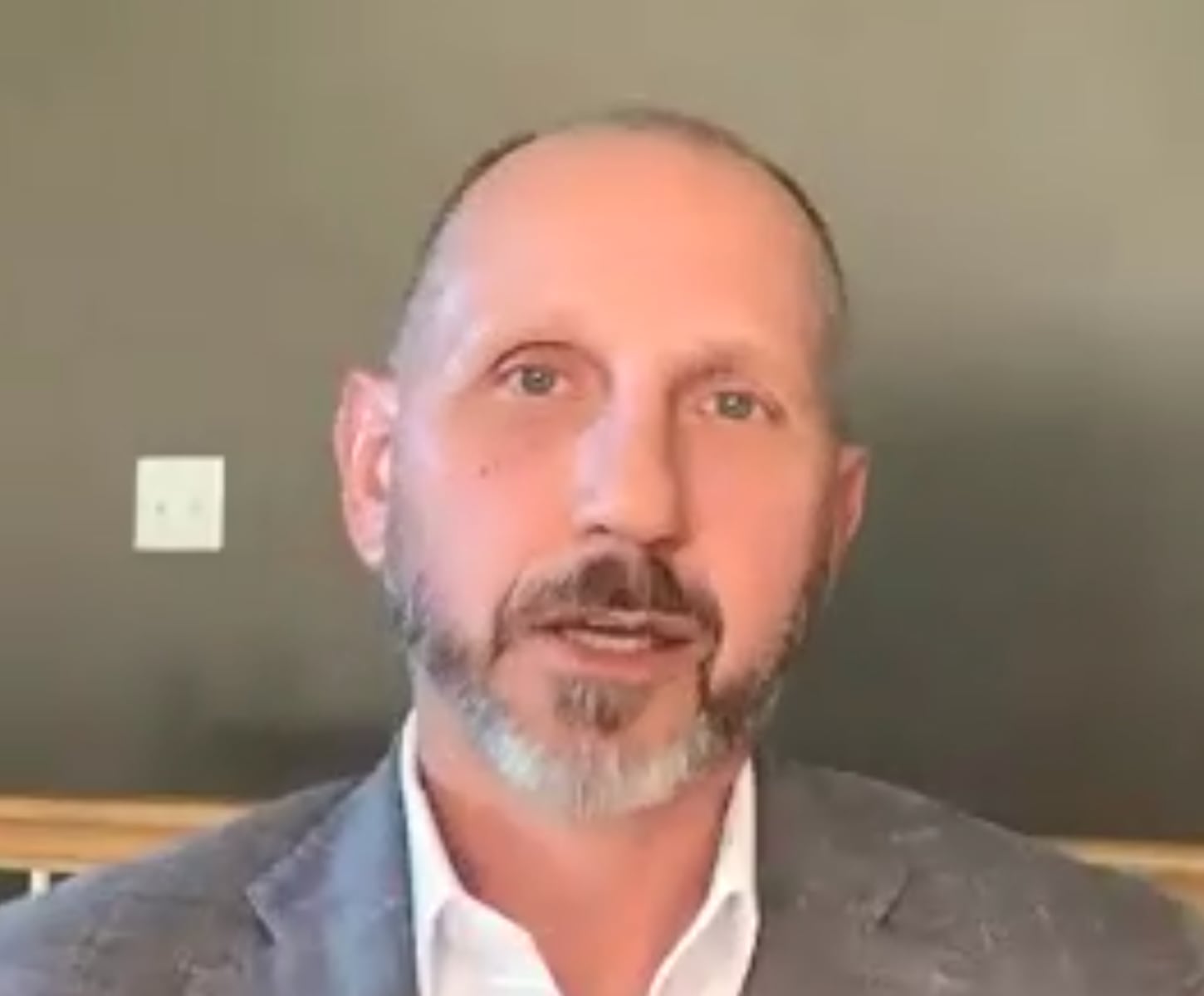
Recent developments in polling methodologies have raised questions about the credibility and effectiveness of new approaches in the field. A new partnership between PennLive and the Bravo Group has prompted discussions regarding the validity of their polling methods, particularly in light of the insights shared by Bravo Group CEO Chris Bravacos. In a guest column, Bravacos presented his company’s “Morning Scrapple” poll as a significant advancement over traditional polling techniques, suggesting that others in the industry have failed to evolve.
This assertion does not align with the historical practices of the polling industry, which has undergone consistent self-evaluation and adaptation since the rise of public election polling in the 1930s. Pollsters routinely gather to assess their methodologies and implement improvements. For instance, the Pew Center has documented shifts in polling practices, noting that over 60% of U.S. pollsters adapted their data collection techniques between 2016 and 2022. This trend suggests a move away from outdated methods, contrary to the claims made by Bravacos.
The most reputable pollsters today utilize a mix of data collection methods, allowing respondents to choose their preferred means of participation. This flexibility not only enhances cooperation but also sheds light on how varying techniques can yield different results. While some individuals still prefer telephone interviews, others may opt for online surveys. Each method has its own set of limitations. For example, online surveys face challenges including inattentive responses and fraudulent participation, which can significantly distort political behavior estimates.
Concerns have been raised regarding the reliability of online survey panelists, with a marketing research industry group estimating that between 30% and 40% of these participants may be fraudulent. Such issues pose a considerable risk for non-probability panels, like those employed by PennLive’s partner. Non-probability samples are typically formed by attracting willing participants, often incentivized financially. In contrast, probability sampling, the backbone of modern polling, relies on comprehensive population listings and random selection processes.
The distinction between these sampling methods is crucial. Probability samples adhere to random sampling theory, which is grounded in statistical principles, while non-probability samples rely on subjective assumptions about what the sample should represent. An analysis of the 2024 elections in Pennsylvania highlighted how these methodological choices can impact survey outcomes and the narratives they convey.
Research indicates that opt-in samples, which are often promoted as innovative, are approximately half as accurate as their probability-based counterparts. This discrepancy underscores the importance of transparency regarding the strengths and limitations of various polling methods, particularly in a climate of profound partisan distrust.
The implications of PennLive’s new partnership extend beyond marketing claims; they challenge the integrity of polling journalism at a time when clarity is paramount. A diverse array of tools for gauging public opinion is beneficial, yet overlooking the limitations inherent in any given method blurs the lines between marketing and journalism. As polling practices continue to evolve, the focus must remain on enhancing accuracy and trustworthiness in public opinion research.
Berwood Yost, director of the Franklin & Marshall College Poll, emphasizes that understanding these nuances is essential for both practitioners and the public to foster informed discussions about polling methodologies.
























