








































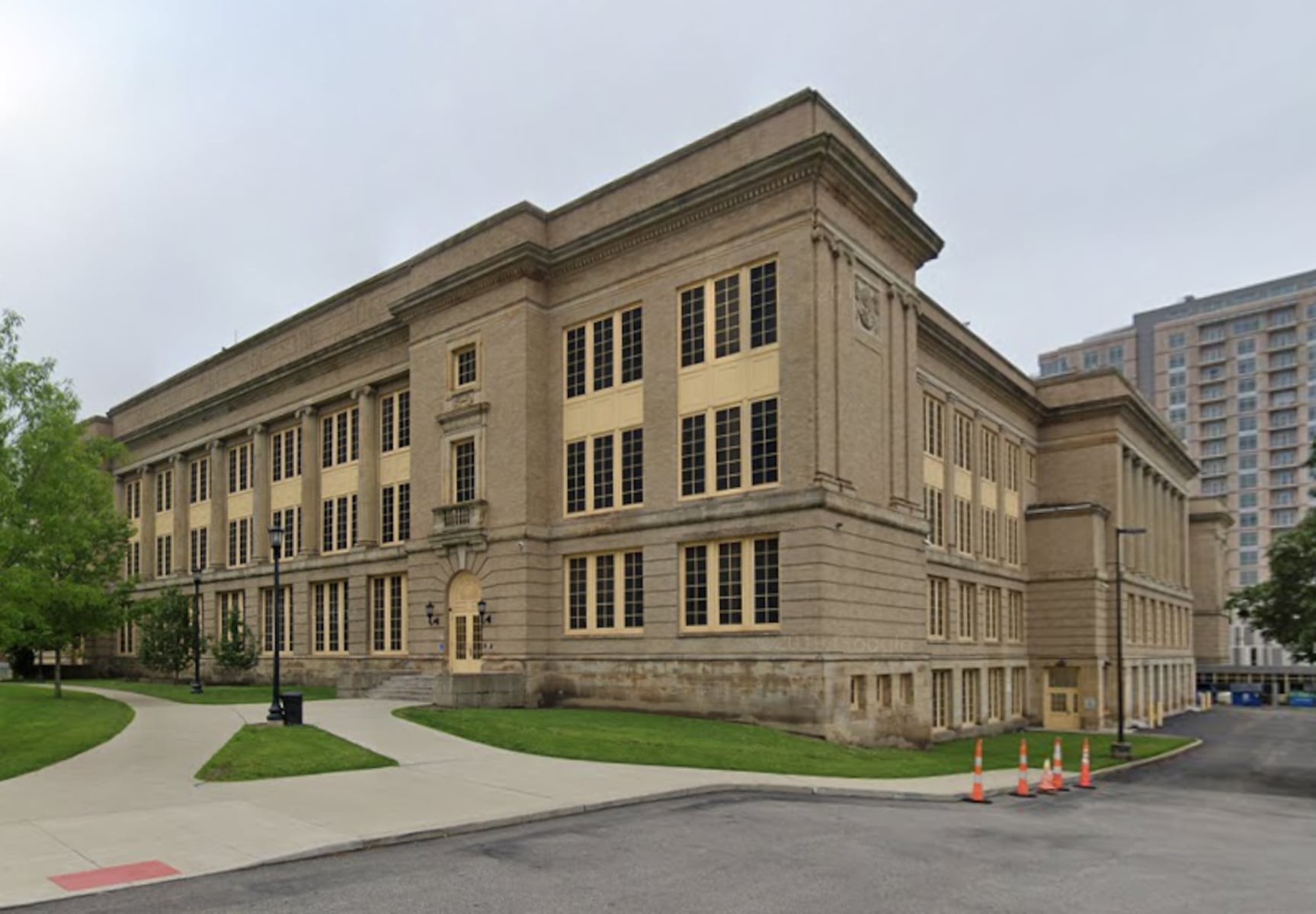
A pastor’s recent speaking tour at Cleveland high schools has reignited discussions around the separation of church and state in the United States. R.A. Vernon, pastor of The Word Church, has been addressing students across the Cleveland Metropolitan School District, raising concerns about the appropriateness of religious figures in public educational settings.
The principle of separation of church and state is enshrined in the First Amendment of the U.S. Constitution, which guarantees freedom of religion. It is intended to prevent the government from favoring any religion or imposing religious beliefs on citizens. Despite this, issues related to this separation frequently resurface, particularly in Ohio, where the Center for Christian Virtue has gained considerable influence at the Ohio Statehouse.
The organization has actively supported legislation that limits transgender rights and facilitates public funding for private education. Recently, the state Senate approved a bill permitting public schools to display the Ten Commandments in classrooms. This context has added another layer of complexity to Vernon’s outreach efforts within the public school system.
Vernon’s month-long tour has received mixed reactions from the community. Some parents and educators express concern that his presence in schools could blur the lines of church-state separation, undermining the principle of neutrality in public education. Others argue that his messages promote positive values and community engagement among students.
In addition to the pastor’s tour, Cleveland’s education landscape is undergoing significant changes. The district plans to hire a new community development director following a loss of $3.3 million in lead grant funding due to slow spending. This comes at a time when the area is grappling with various challenges, including high staff turnover and difficulties in grant management.
As Ohio continues to navigate these contentious issues, the implications of Vernon’s speaking engagements in public schools will likely resonate beyond the immediate community. The ongoing debate over the role of religion in public education underscores the complexities surrounding governance and individual rights, particularly in a region where faith-based organizations increasingly influence policy decisions.
In summary, the intersection of education and religion in Cleveland schools raises significant questions about constitutional rights and community values. As the conversation unfolds, the involvement of figures like R.A. Vernon will undoubtedly shape the future discourse around church and state in American society.
























