








































The resale market for iconic toys from the 1990s has gained significant traction, with some items now commanding impressive prices. Collectors and nostalgic buyers are willing to pay top dollar for toys that defined their childhoods, highlighting a growing trend in the vintage toy market.
Among the standout items, the Tamagotchi has seen a resurgence in popularity. Originally released in 1996, this virtual pet toy can now fetch prices exceeding $100 on platforms like eBay, depending on its condition and packaging. The demand for nostalgia-driven products has only intensified as adults seek to reconnect with their formative years.
Iconic Toys and Their Current Value
Another noteworthy example is the Beanie Babies, which once dominated the toy market in the late ’90s. Some rare editions, such as the Princess Diana Beanie Baby, can now sell for over $1,000. The hype surrounding these plush collectibles has been reignited, as fans remember the frenzy that once surrounded them.
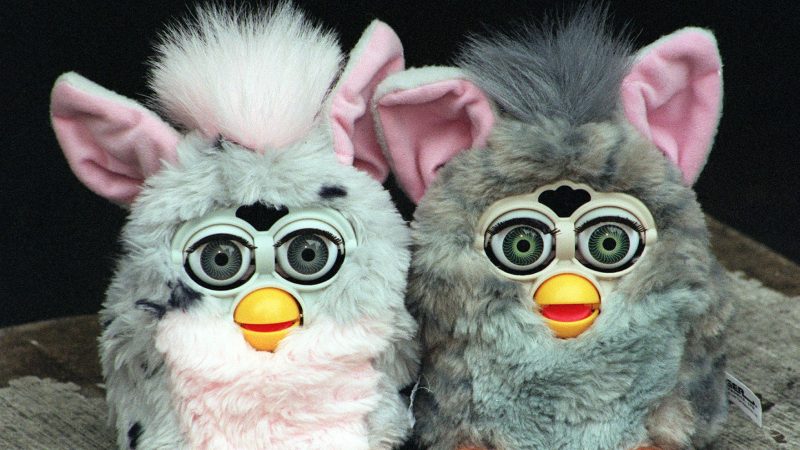
Furbies, the electronic robotic toys that became a sensation in 1998, have also experienced a price increase. Original models are now valued at around $150 to $300, depending on rarity and condition. This reflects not only a desire for childhood memories but also an interest in early interactive technology.
Pokémon cards, which surged in popularity during the ’90s, have maintained their status as collectibles. Certain rare cards can now command prices in the thousands, with a specific Charizard card selling for over $200,000 in recent years. This has established Pokémon as a significant player in both the toy and trading card markets.
Polly Pocket, the compact dolls that came with miniature accessories, is another toy that has seen its value increase. Vintage sets can now reach prices of up to $300, depending on their completeness and condition. The appeal of nostalgic toys is evident, as collectors seek to own a piece of their childhood.
The Resale Market and Future Trends
The growth in the resale market for these toys indicates a broader trend towards vintage and nostalgia-driven purchases. Online marketplaces have made it easier for collectors to find and purchase these items, leading to increased prices. Items that were once considered commonplace now hold significant value.
As the demand for nostalgic toys continues, it’s likely that we will see even more fluctuations in pricing. Collectors are not only interested in the monetary value but also the emotional connection these toys represent. The ongoing interest in 1990s toys reflects a larger cultural phenomenon, where the past and present intersect in meaningful ways.
In summary, the hottest toys of the ’90s are not just relics of the past but are thriving in today’s market. Collectors are willing to spend considerable amounts to reclaim a piece of their childhood, leading to a dynamic and exciting landscape in the world of vintage toys.
























