








































URGENT UPDATE: Newark Town Council has just rejected a proposal to return its assets to the district council, igniting fierce debate among councillors and residents. The motion, introduced by Matthew Skinner and seconded by Diane Ledger, was voted down during a full council meeting on January 28, 2026, with nine members opposing and seven in favor.
This contentious decision comes at a critical time as Newark faces the impending changes from the government’s Local Government Reorganisation (LGR) process. The proposed return of assets aimed to evaluate the future management of key services including parks, the town hall, and the market. Supporters argued that these services could be more effectively managed by the Newark and Sherwood District Council, which is set to transition into a unitary authority.
During the meeting, Skinner expressed concerns about the financial sustainability of the town council, stating, “One of the biggest challenges we have… is in terms of our finances.” He highlighted the potential for cost savings for Newark residents, questioning whether a more uniform service delivery model would be beneficial.
Opposing viewpoints surged, especially from Susan Crosby, who declared, “My legacy will not be giving the town council assets away.” This reflects the strong emotional investment many councillors have in maintaining local governance.
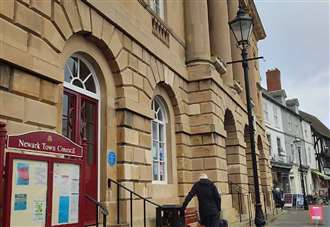
The implications of this vote are profound. As Paul Taylor noted, Newark residents may face increased council tax burdens once LGR is implemented, potentially requiring them to pay for services twice. He emphasized the need for urgent financial assessments: “This building [the town hall] is the jewel in the crown for Newark, but it needs a million quid or so spending on the roof.”
Residents are left grappling with uncertainty over the future of local governance in Newark. As the town council navigates the financial challenges posed by the cessation of a significant annual grant of £3,780,000 from the district council, questions about service delivery and community control are paramount.
Councillors like Matthew Spoors voiced their concerns about the potential loss of local democratic control, arguing that giving assets back to the district council would mean handing them over to representatives unfamiliar with Newark’s unique needs. Esther Cropper echoed this sentiment, sharing her fears that local control is being surrendered to larger bureaucracies, diluting community representation.
With the vote concluded, attention turns to the next steps in this evolving situation. The outcome of the ongoing LGR process will determine if Newark will operate under a new framework of governance, leading to two newly formed unitary councils. This transition could fundamentally reshape how services are delivered and managed in the region.
As Newark navigates these turbulent waters, residents and councillors alike are urged to engage in ongoing discussions about the future of their town. The council’s decisions will have lasting effects on the community’s governance and financial health, making active participation crucial in the coming months.
Stay tuned for further updates as this story develops. The future of Newark’s local governance hangs in the balance, and its residents deserve to stay informed and engaged.
























