








































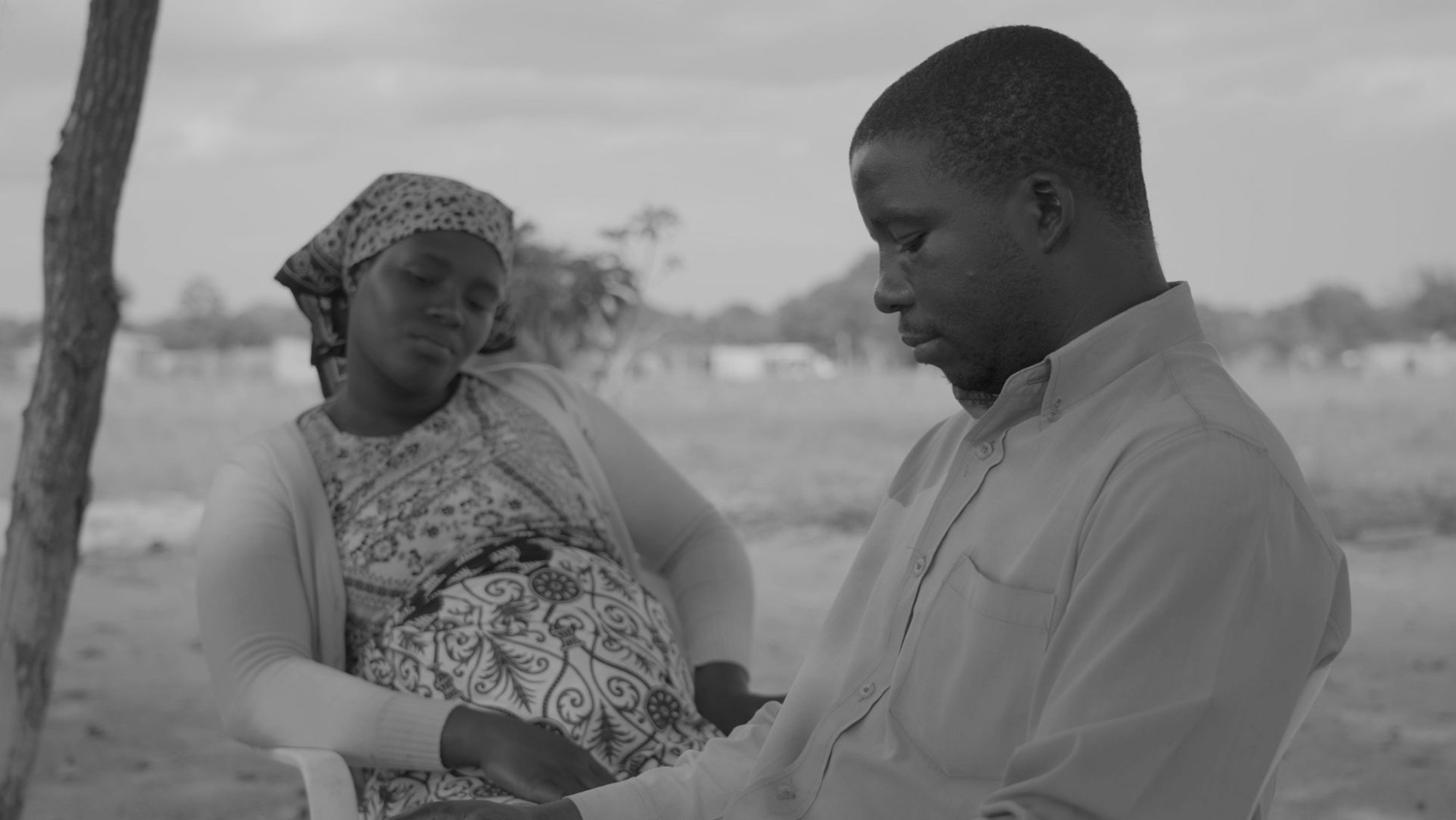
Mozambican filmmaker Ique Langa premieres his debut feature film, O profeta (The Prophet), on January 30, 2024, at the International Film Festival Rotterdam. The film delves into themes of faith, doubt, and the allure of witchcraft, presenting a complex narrative through a striking black-and-white aesthetic.
Set in Manjacaze, a small town in southern Mozambique, the film follows Pastor Hélder as he grapples with a waning faith. Faced with a growing temptation to embrace witchcraft and sacrifice, he confronts the consequences of opening “Pandora’s Box.” Langa describes the film as a meditation on human desires and the spiritual struggles that accompany them.
The creative process spanned nearly a decade, with Langa working closely with a non-professional cast, including Admiro De Laura Munguambe and Nora Matavel. The film’s cinematography was handled by Denilson Pombo, while Langa also took charge of production design. The production was supported by Luminalia, which is managing sales.
In an interview, Langa shared insights into the film’s inspiration, noting a significant rise in self-proclaimed pastors in Mozambique. “There are all these churches that are coming out of nowhere with these pastors that are quote, unquote prophets,” he said. This phenomenon became increasingly evident during his visits to his childhood village, where he witnessed the rapid emergence of these churches.
The film reflects Langa’s personal journey as he navigates questions about faith and identity. He emphasized the metaphor of a pastor struggling with the temptation of “shiny objects,” representing material desires that challenge spiritual integrity. His wife, in contrast, embodies a grounded figure, offering a stabilizing presence amid the turmoil.
As the narrative unfolds, Langa explores deeper themes related to ancestral connections and the coexistence of traditional and Christian beliefs in Mozambique. “We have a belief that once someone we love passes away, they become a spirit and then eventually an ancestor,” he explained. This layering of beliefs enriches the film’s portrayal of the protagonist’s journey.
The decision to present the film in black and white stemmed from a deep creative instinct. Langa noted, “When I started writing this film, I was telling my friends that I’m writing it in black and white. Everyone would tell me, ‘You should do it in color.’ But when I tried imagining it in color, it just never came out.” His influences include renowned filmmakers such as Robert Bresson and Yasujirō Ozu, who are known for their contemplative storytelling styles.
Langa’s commitment to authenticity is evident in his choice of a non-professional cast, all of whom brought their own life experiences to the film. “This movie was all done with non-actors,” he stated. “Once I was in the village and started casting, I realized this film had to be made by the community.” The production faced challenges, including the loss of two cast members, which Langa feels added a profound energy to the story.
As he prepares to showcase O profeta to an international audience, Langa reflects on the nine-year journey that brought the film to fruition. “It’s been a long, long journey,” he said. “When we started making this film, we just wanted to make a movie and be able to say we completed it.”
Looking ahead, Langa is already at work on his next project, titled Chapa 100. This new film is inspired by his experiences growing up in the capital city of Maputo and will explore the lives of aging street vendors. “It’s the story of an older couple that meets later in life, and something magical happens,” he shared.
With O profeta, Ique Langa not only tells a story deeply rooted in his heritage but also invites audiences to reflect on the complexities of faith and the choices that shape our lives.
























