








































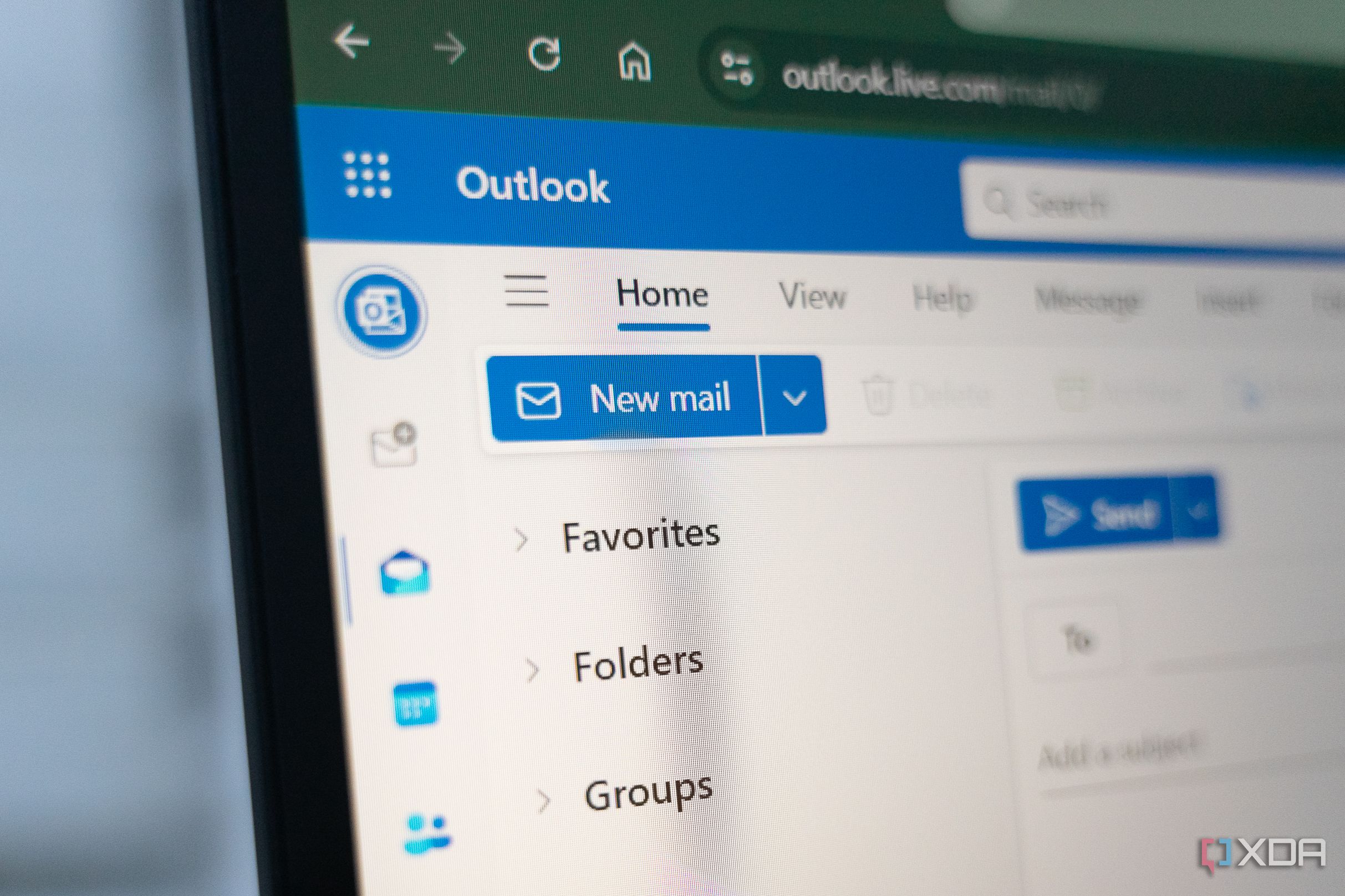
URGENT UPDATE: Microsoft has officially transitioned its renowned Outlook email client to a web-based application, sparking significant backlash among users. The newly revamped New Outlook is designed to function more like a website than a traditional native Windows app, leading many to feel disconnected from the familiar features they have relied on for years.
This shift, confirmed earlier today by multiple sources, is part of Microsoft’s broader strategy to streamline software development across platforms. Users are expressing frustration over the lack of critical features and a performance drop compared to the classic Outlook, which was built on a native Windows framework.
The New Outlook utilizes Microsoft’s WebView2 runtime, which relies on a Chromium-based engine used in Edge. As a result, launching the app now requires background processes akin to opening a web browser, which many users find excessive for simple tasks like checking emails.
Critics argue that web-based applications like New Outlook come with increased RAM usage and a diminished user experience. Unlike native apps that seamlessly integrate with Windows settings and accessibility features, web-wrapped applications often feel generic and lack the deep immersion users expect.
Moreover, New Outlook has removed support for essential file formats like OST and PST, which are crucial for offline access and local data management. This shift to a more cloud-centric approach has led to concerns over user data control and functionality.
Microsoft’s motivation for this transition seems clear: reducing development costs. By adopting web technologies, the company can deploy applications across different platforms without the need for separate native builds. This streamlining is beneficial for Microsoft’s bottom line but leaves many users feeling neglected, as they pay the price in terms of performance and lost features.
The implications of this move are significant. If Microsoft is willing to replace a flagship product like Outlook with a web-based version, other applications may soon follow suit. Already, the Teams application and the Microsoft Store utilize the WebView2 engine, raising concerns about the future of Microsoft’s software ecosystem.
While some argue that web-based apps can offer advantages, such as universal accessibility and consistent user experiences, the reality is that mature applications like Outlook should not be reduced to thin web wrappers. Users are left longing for the robust capabilities of the previous version while navigating a less efficient and feature-limited alternative.
Despite the challenges, New Outlook remains functional, and third-party developers are poised to provide alternatives for those seeking a more traditional email experience. As the tech world watches closely, the shift to web-rendered applications could redefine how software is developed and experienced in the future.
As more users voice their concerns, it’s clear that the conversation around Microsoft’s new direction in software development is just beginning. Stay tuned for further updates as this story continues to develop.
























