








































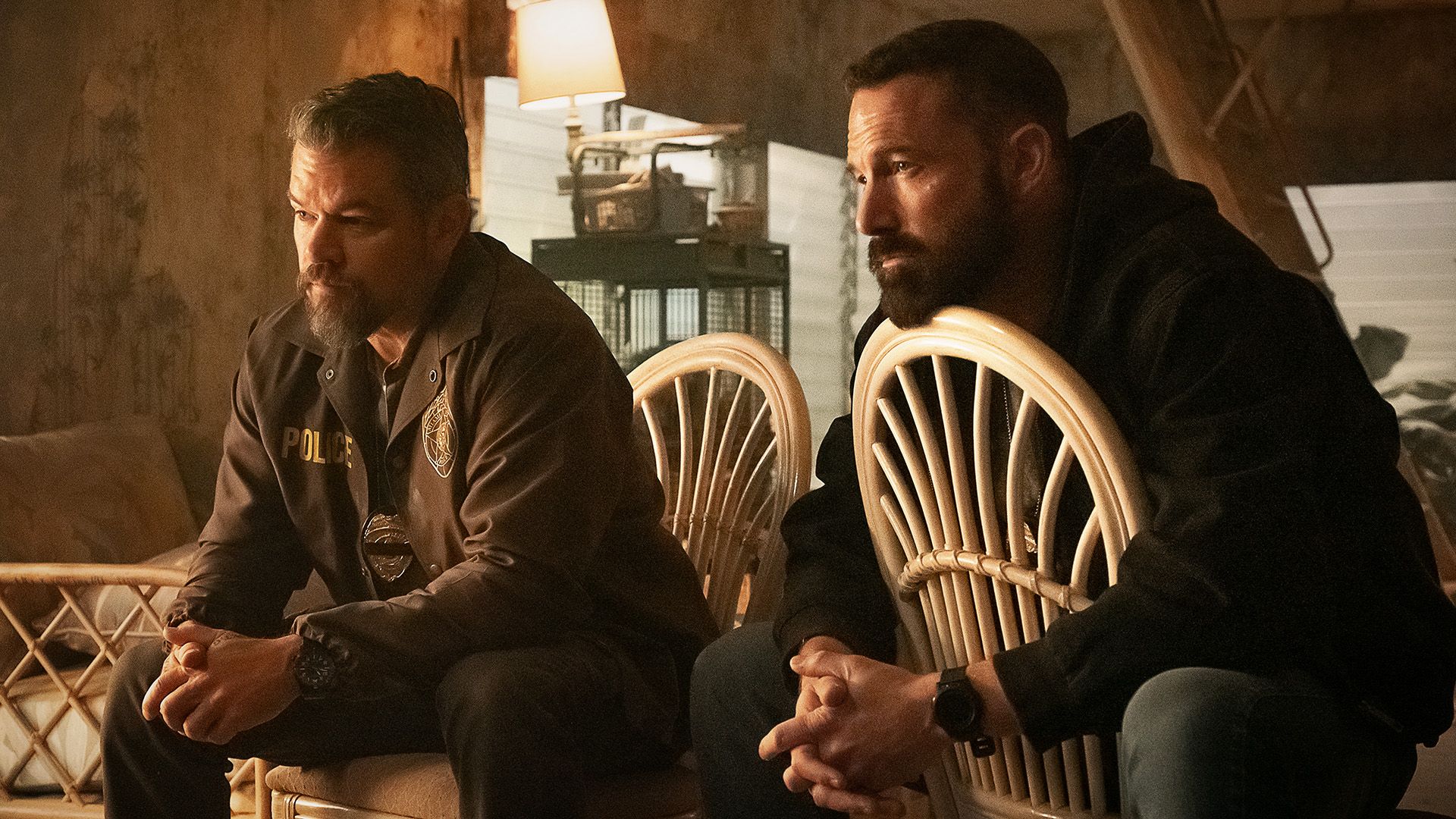
In a revealing conversation on the Joe Rogan Experience, actors Matt Damon and Ben Affleck shared insights into the distinct approach Netflix employs in its filmmaking. Their discussion coincided with the release of their latest crime thriller, The Rip, which has garnered attention for its unconventional plot development strategies.
Adapting to Streaming Preferences
Damon explained that traditional filmmaking techniques were not prioritized during the production of their Netflix project. “The standard way to make an action movie that we learned was, you usually have three set pieces. One in the first act, one in the second, one in the third,” he noted. He further elaborated that the focus on creating a huge climax in the third act has shifted. “Now they’re like, ‘Can we get a big one in the first five minutes? We want people to stay,’” he said. This shift emphasizes the need to engage viewers quickly, particularly in an era where many watch content on their phones.
Damon highlighted another recommendation from the streaming service: reiterating the plot multiple times throughout the dialogue to cater to distracted viewers. “It wouldn’t be terrible if you reiterated the plot three or four times in the dialogue because people are on their phones while they’re watching,” he explained, reflecting on the challenges of maintaining audience attention in a rapidly changing entertainment landscape.
Contrasting Success with Creativity
Affleck interjected with an example of a Netflix film that defied these conventions. He referenced the recent release Adolescence, which he described as “dark and intense.” He praised the film for its unique storytelling approach, stating, “It didn’t do any of that [standard plot reiteration] and it’s great.” The film, which centers around a father grappling with the accusation of murder against his son, has received critical acclaim for its artistic choices, including long, contemplative shots that eschew conventional dialogue.
Both films, The Rip and Adolescence, are currently available for streaming on Netflix. As audiences continue to navigate the evolving landscape of entertainment, these discussions highlight the tension between traditional filmmaking practices and the demands of modern viewers.
























