








































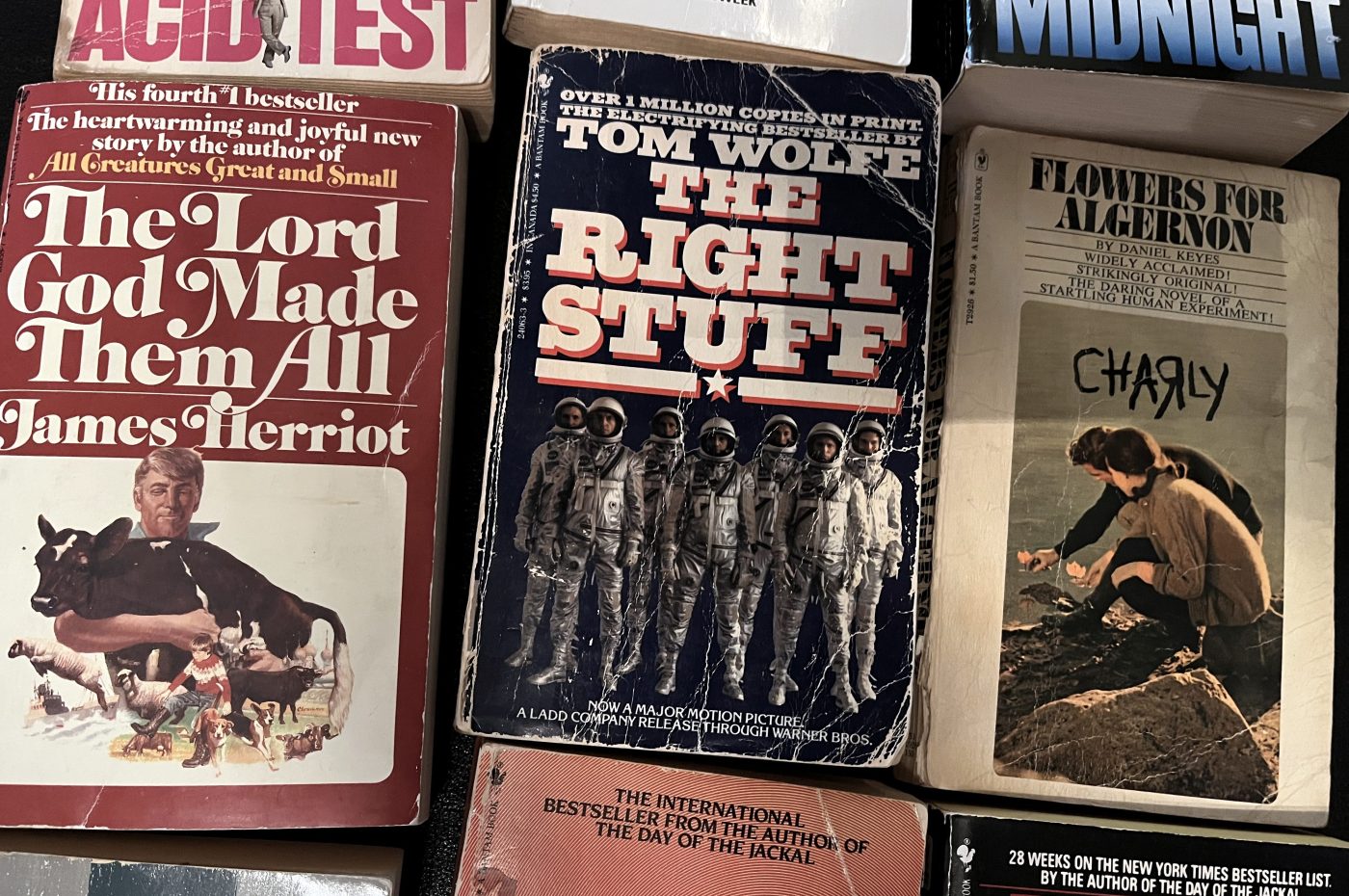
The world of literature is set to lose a notable format as ReaderLink, a major book distributor, announced it will cease distributing mass market paperback books by the end of 2025. This decision marks a significant downturn for a format that has struggled with declining popularity over the years, as highlighted by Publishers Weekly.
Several factors contribute to the decline of mass market paperbacks. One primary cause is the decrease in production costs associated with alternative formats, particularly the trade paperback. While mass market paperbacks were traditionally seen as a more affordable option, the cost of manufacturing them no longer offers a competitive edge. Furthermore, the number of retail locations where these books were historically sold has dwindled. Once common in newsstands, drug stores, and grocery outlets, these distinctive wire racks filled with mass market titles have largely vanished.
Another significant factor is the rise of e-books, which have transformed consumer purchasing habits. Digital books provide easy access to popular genres, effectively diminishing the relevance of mass market editions. For many readers, especially those of a certain age, the decline of this format represents a nostalgic loss. The evolution of the book market has occurred over decades, impacting readers who remember the mass market paperback as a staple of their literary experience.
Historically, mass market paperbacks were designed for accessibility and consumption. They catered to bestsellers, mysteries, romances, and various genre novels, making them a fixture in many readers’ lives. The success of notable titles, such as Peter Benchley‘s “Jaws,” which sold an impressive 11 million copies within six months of the film’s release, exemplified the format’s cultural significance.
In the mid-1970s, bookstores like Northbrook’s The Book Bin, co-founded by the author’s mother, dedicated entire sections to mass market titles. This dedication reflected the format’s popularity and the demand it generated among consumers. However, the recent trend indicates that many hardcovers that do not meet certain sales thresholds no longer transition to paperback editions, further contributing to the format’s decline.
Despite the increasing challenges, the mass market paperback’s legacy continues to resonate with readers. Many recall their formative experiences with these books, often appreciating their affordability and portability. They provided an accessible avenue for literary exploration, particularly for students seeking budget-friendly options.
As mass market paperbacks fade, their durability and cultural impact remain noteworthy. The format was once synonymous with the casual reading experience, and while it faces challenges, some believe it may eventually experience a resurgence, similar to the recent revival of vinyl records.
John Warner, author of several books including “More Than Words: How to Think About Writing in the Age of AI,” reflects on the enduring charm of mass market paperbacks. He suggests that their disappearance might not be permanent, as their unique characteristics and nostalgic value could lead to a renewed interest in the future.
As the book industry continues to evolve, the fate of mass market paperbacks serves as a reminder of changing consumer preferences and the cyclical nature of publishing trends. The transition away from this format marks a significant moment in literary history, evoking fond memories for many while signaling the need for adaptation in an ever-changing marketplace.
























