








































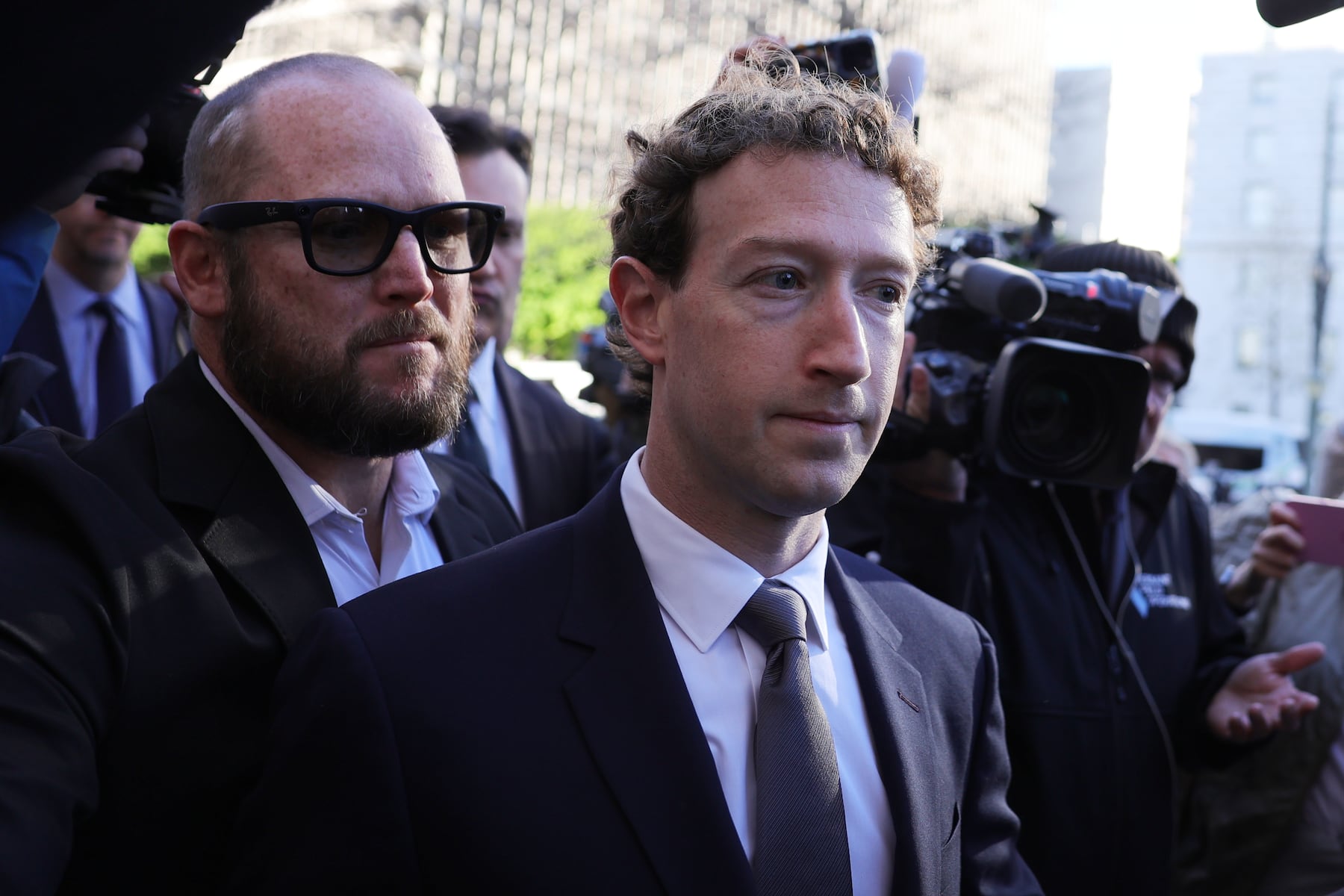
UPDATE: Meta CEO Mark Zuckerberg is currently facing intense questioning in a Los Angeles courtroom about the impact of Instagram on youth mental health. This landmark trial, unfolding on October 25, 2023, raises critical questions about whether Meta’s platforms intentionally foster addiction among children.
During the proceedings, Zuckerberg defended Instagram against claims made by a plaintiff identified as KGM, now 20, who alleges that her early use of the platform exacerbated her depression and suicidal thoughts. “I still agree that existing scientific work hasn’t proven social media causes mental health harms,” Zuckerberg stated, despite mounting evidence to the contrary.
Attorney Mark Lanier challenged Zuckerberg’s stance, asking if addiction leads to increased use. “I don’t think that applies here,” Zuckerberg responded, suggesting that users engage more with valuable content. However, Lanier presented internal documents that contradicted Zuckerberg’s claims about Instagram’s user engagement goals, leading to a tense exchange over Meta’s true intentions.
Zuckerberg admitted that while previous goals focused on time spent on the platform, the company has shifted towards enhancing user utility. He reiterated, “A reasonable company should try to help the people that use its services.” However, critics question this approach, asserting that Meta continues to prioritize engagement over user welfare.
The courtroom drama also highlighted Zuckerberg’s media training, with Lanier referencing internal feedback suggesting he should appear more “authentic” and less “robotic.” Zuckerberg pushed back against claims of being coached, stating, “I think I’m actually well known to be sort of bad at this,” a nod to his past public speaking challenges.
As part of the ongoing trial, Zuckerberg was pressed about Instagram’s age verification policies. He maintained that the platform restricts users under 13 and actively works to identify those who lie about their ages. Nevertheless, critics argue that these measures are insufficient to protect vulnerable users.
Children’s advocates are reacting strongly to Zuckerberg’s testimony. Josh Golin, executive director of Fairplay, stated, “All Mark Zuckerberg accomplished was to prove yet again that he cannot be trusted, especially when it comes to kids’ safety.” Golin highlighted discrepancies between Zuckerberg’s claims and Meta’s retention of potentially addictive features like visible like counts.
The trial’s outcome could significantly influence thousands of similar lawsuits against social media companies. Earlier cases involving TikTok and Snap have already settled, leaving Meta and YouTube as the final defendants. Meta’s attorney Paul Schmidt emphasizes that while KGM faced mental health challenges, they dispute that Instagram played a substantial role in her struggles.
This case marks the first time Zuckerberg has appeared before a jury, with bereaved parents present in the audience, hoping for justice and accountability. As the trial progresses, eyes are on the potential implications for social media regulation and youth safety.
Stay tuned for updates as this urgent case unfolds, with implications that could reshape the future of social media platforms.
























