








































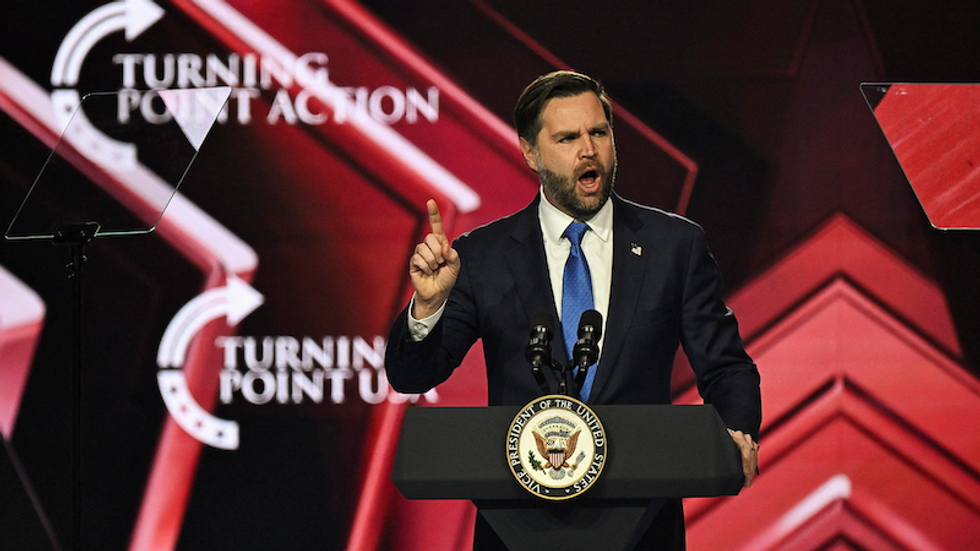
On December 21, 2023, at the Turning Point USA annual national conference, Vice President JD Vance delivered a controversial address condemning diversity, equity, and inclusion (DEI) initiatives. Vance characterized DEI and affirmative action policies as more harmful than racial slurs directed at his children by a white supremacist. He argued that these policies are designed to disadvantage white men, a perspective he has publicly championed on social media.
In a tweet dated December 17, 2023, Vance claimed that many perceive DEI as merely “lame diversity seminars,” but he insisted that it represents a “deliberate program of discrimination against white men.” Vance referenced an article by Jacob Savage titled “The Lost Generation,” which argues that DEI reflects a significant shift in how power and prestige are allocated in society, adversely affecting white male millennials.
The article contends that opportunities traditionally available to white men have increasingly been granted to women and people of color, a narrative that aligns with Vance’s views. Savage’s argument hinges on the belief that those who have succeeded in these positions are less qualified than their white male counterparts. He posits that this shift is not merely a rebalancing but a profound redistribution of opportunity.
Vance’s rhetoric raises questions about the nature of meritocracy in a competitive society. He and Savage both advocate for an “American meritocracy,” yet they express surprise when individuals with “ordinary talent” struggle to thrive. This contradiction suggests that a true meritocratic system would naturally produce a range of outcomes, where not everyone can succeed equally due to varied qualifications and abilities.
The core issue highlighted by these discussions is not DEI itself, but rather the underlying structure of capitalism, which inherently creates winners and losers. In a capitalist system that prioritizes profit over the well-being of individuals, many will inevitably face hardship. As competition intensifies for a diminishing number of jobs, the landscape becomes increasingly challenging, exacerbated by technological advancements and a lack of regulatory oversight.
Despite Vance’s claims of concern for equality and dignity, his focus on DEI appears to divert attention from pressing economic issues such as wage stagnation, healthcare costs, and the affordability crisis—issues that the Trump administration has struggled to address. Critics argue that Vance’s attacks on DEI serve as a smokescreen to distract from the socioeconomic challenges faced by many Americans.
In his memoir, Hillbilly Elegy, Vance discusses the importance of “social capital,” the networks that connect individuals to opportunities and valuable information. He acknowledges that his success was bolstered by influential connections, including Yale professors and tech billionaires. This perspective highlights the inherent inequalities within the social structure, where access to resources and networks often determines success.
Vance’s recent comments have drawn scrutiny for their divisive nature. While he claims to advocate for inclusion, his rhetoric often targets marginalized groups, as seen in his remarks about Somali Americans during the conference. His approach raises concerns about the authenticity of his commitment to equality, as many view his statements as opportunistic rather than genuine.
A former acquaintance described Vance as a “chameleon,” adept at altering his positions to gain political power. This characterization is underscored by his rapid shift from criticizing Donald Trump—whom he once referred to as “America’s Hitler”—to serving as his vice president. Critics argue that his stance on DEI is just another maneuver in a broader strategy aimed at consolidating political support ahead of the 2028 presidential election.
In conclusion, while Vance may articulate a vision of unity, his political ideology and rhetoric often reflect divisive, zero-sum thinking. He claims that “in the United States of America, you don’t have to apologize for being white anymore,” yet this sentiment echoes long-standing narratives that perpetuate racial animosity. The challenge lies in addressing the real issues that contribute to societal divisions, rather than exploiting them for political gain. As the political landscape evolves, the public must remain vigilant against narratives that obscure the complexities of inequality and economic hardship.
























