








































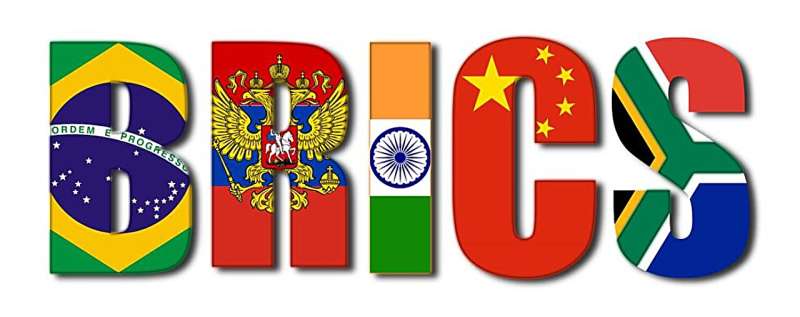
Research published on February 5, 2026, in the International Journal of the Energy-Growth Nexus reveals a significant connection between investment in education and reduced carbon emissions in the BRICS nations: Brazil, Russia, India, China, and South Africa. This study suggests that enhancing human capital—defined as the education, skills, and knowledge of the workforce—can play a crucial role in mitigating environmental degradation.
The BRICS countries represent a substantial portion of the global population, energy consumption, and greenhouse gas emissions. The research team, led by Anshita Sachan, analyzed extensive data from these nations over several years, finding a strong correlation between higher levels of human capital and lower levels of environmental harm, particularly concerning carbon emissions.
Key Findings on Human Capital and Emissions
Human capital is typically measured through indicators such as education levels and training participation. According to the study, improvements in these areas are directly associated with reductions in emissions across the BRICS economies. The researchers employed various statistical techniques to account for challenges often encountered in such studies, including cultural differences and the varying impacts of global economic shifts.
The findings align with endogenous growth theory, which posits that sustainable economic advancement relies more on knowledge and innovation than on physical resources alone. A more educated and skilled workforce is better equipped to develop and implement cleaner technologies, enhance energy efficiency, and comply with environmental regulations. The study also notes that innovation, gauged through patent activity, correlates positively with improved environmental outcomes, reinforcing the idea that technological advancement can enable economic growth without corresponding increases in emissions.
Globalization, Trade, and Environmental Impact
The researchers identified globalization as an additional factor influencing environmental quality. This trend likely reflects the transfer of technology and the sharing of cleaner production methods across international borders. However, the study cautions that increased trade can have detrimental effects, as heightened international commerce may lead to greater environmental degradation within BRICS nations. The growth of pollution-intensive industries and the importation of inefficient technologies are contributing factors to this concern.
As emerging economies continue to play a pivotal role in global growth and emissions, the findings of this study underscore the necessity of prioritizing education and training in climate and environmental strategies. Policymakers are encouraged to create initiatives that enhance access to high-quality education, increase average years of schooling, and support research and development. Such measures could yield significant environmental benefits while simultaneously providing economic advantages.
The study advocates for an improved approach to trade policy and environmental regulation to ensure that economic development does not compromise sustainability. As the world grapples with climate change, the link between education and emissions offers a practical pathway for BRICS nations to pursue both economic and environmental progress.
This research highlights the critical role of human capital in addressing climate challenges. As nations navigate the complexities of development and sustainability, education emerges as a key element in fostering a greener future. The complete study is available in the International Journal of the Energy-Growth Nexus under the DOI: 10.1504/ijegn.2026.151371.
























