








































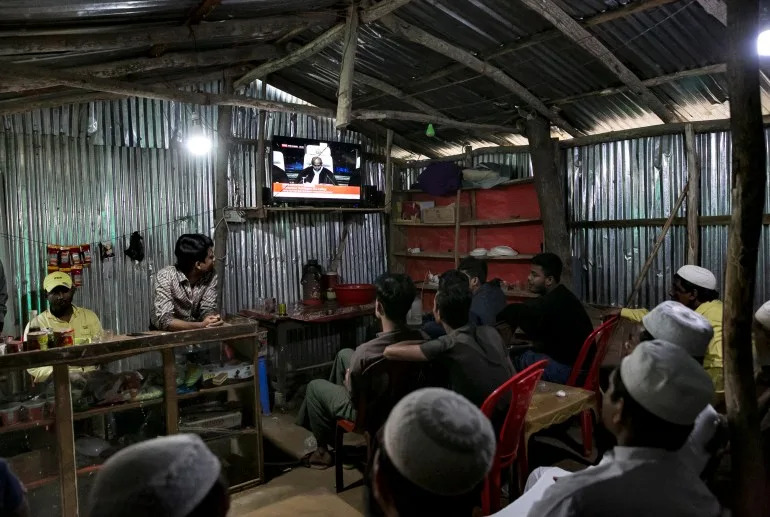
The International Court of Justice (ICJ) is set to hold public hearings from January 12 to 20, 2024, in a significant case accusing Myanmar of genocide against its Rohingya community. This landmark event marks the first genocide case the ICJ has examined in over a decade, with implications that may extend to other international disputes, including South Africa’s case against Israel regarding the conflict in Gaza.
Over the course of the hearings, The Gambia, which initiated the case, will present its arguments from January 12 to 15. This West African nation, supported by the Organisation for Islamic Cooperation, filed the case in 2019, alleging that Myanmar’s actions against the Rohingya, a predominantly Muslim ethnic group, constitute genocide. Myanmar has consistently denied these allegations.
Following The Gambia’s presentation, Myanmar will have the opportunity to respond during hearings scheduled for January 16 to 20. Notably, the ICJ has allocated three days for the examination of witnesses, although these sessions will be closed to the public and media. The court emphasized that the hearings will focus on the merits of the case and will include testimony from witnesses and experts called by both parties.
The case stems from severe violence inflicted on the Rohingya in 2017, which led to over 742,000 fleeing to neighboring Bangladesh. The crackdown involved numerous reports of atrocities, including murder, sexual violence, and the destruction of entire villages. In response to the situation, the ICJ ordered Myanmar in 2020 to take all necessary measures to prevent further acts of genocide.
During a recent high-level United Nations General Assembly meeting, The Gambia’s Minister of Justice, Dawda Jallow, expressed hopes for a ruling from the ICJ soon after the upcoming hearings. He remarked, “We filed our case in November 2019, almost six years ago… The Gambia will present its case as to why Myanmar is responsible for the Rohingya genocide and must make reparations to its victims.”
Significant support for The Gambia’s case has emerged, with various countries intervening on its behalf. Wai Wai Nu, executive director of the Women’s Peace Network in Myanmar, highlighted the potential for international cooperation to address ongoing violence in Rakhine State, where the Rohingya continue to face threats.
Before the onset of the military campaign, approximately one million Rohingya resided in Myanmar, representing a small fraction of the country’s total population of 55 million. As the violence escalated, many sought refuge in Bangladesh, where over one million now live in Cox’s Bazar, the world’s largest refugee camp. Conditions in the camp remain dire, with many refugees enduring years of poverty and instability.
As the ICJ prepares for these pivotal hearings, the international community watches closely, recognizing the far-reaching implications for justice and accountability regarding the Rohingya crisis.
























