








































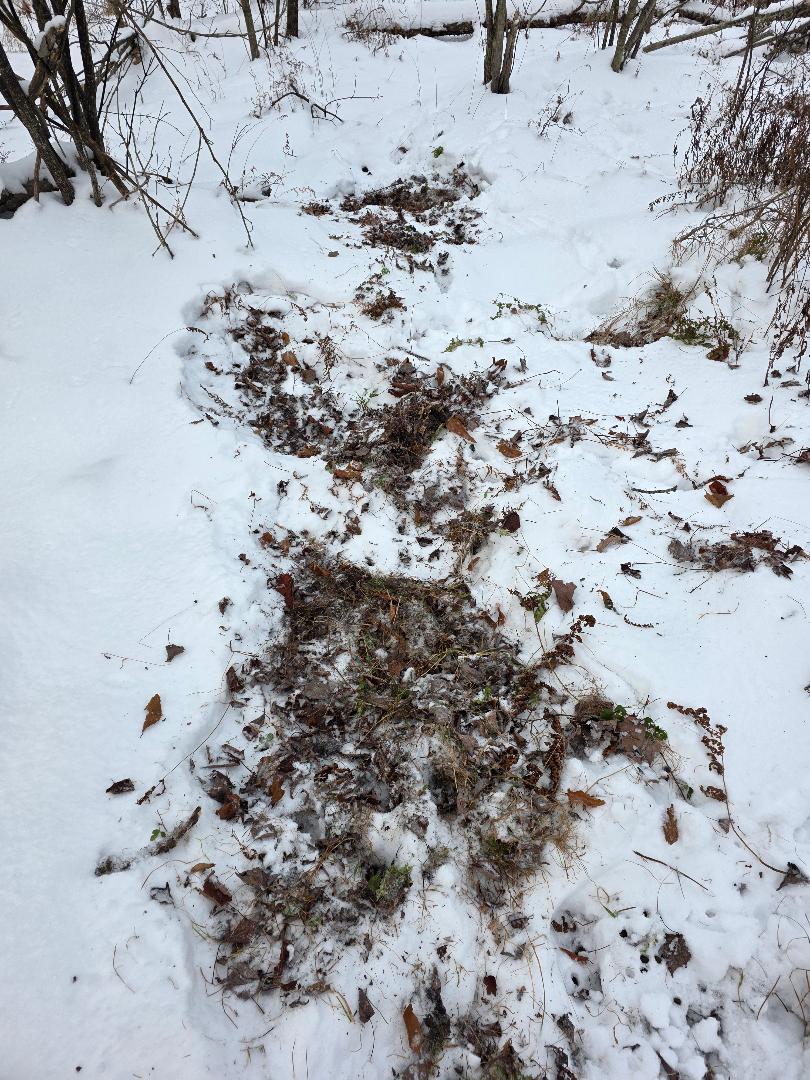
Outdoor enthusiasts in Pennsylvania are seizing the opportunity presented by winter snow to enhance their understanding of white-tailed deer behaviors. As the colder months bring a fresh layer of snow, hunters are encouraged to venture into the woods, where they can observe deer trails and feeding habits that are often hidden during other times of the year.
Taking advantage of the snow can provide valuable insights into the habits of deer. The snow reveals preferred travel routes to feeding and bedding areas, which are crucial for hunters preparing for the upcoming firearms season. Experienced hunters know that successful hunts are often the result of months of preparation. This includes scouting locations, practicing marksmanship, and acquiring necessary equipment.
Snow-covered landscapes present an ideal setting for scouting. When temperatures drop and snow blankets the ground, deer shift their feeding patterns. According to wildlife experts, during late fall and winter, whitetails often rely on natural food sources rather than cultivated ones, as many agricultural fields and fruit trees have been depleted. They typically forage on remaining mast crops, such as acorns and nuts, as well as roots and low-hanging vegetation.
Hunters can track deer by following their footprints in the snow. Observing where deer dig through the snow for food can help identify potential hunting spots for the next season. Notably, marking these locations on a GPS or taking mental notes can aid in planning effective hunting strategies for the fall.
Exploring larger tracts of land, such as state game lands, can also be enlightening. While some hunters tend to stay close to parking areas during hunting season, others may find that moving deeper into the woods reveals more signs of deer activity. Rick Hynick, a freelance outdoors writer, noted that while some areas may seem devoid of deer tracks, a short walk can uncover active trails and bedding spots.
During a recent trek, Hynick discovered a deer bed sheltered under a large hemlock tree on a remote mountaintop. The elevated position offered the deer a clear view of its surroundings while allowing the breeze to carry scents away from its sensitive nose. Such observations can inform hunters about deer preferences for bedding and feeding habitats, vital information as the next hunting season approaches.
As hunters navigate the winter woods, they gain familiarity with the terrain and understand the preferences of deer. Each outing offers a chance to learn more about the environment, with nature serving as an invaluable teacher.
Ultimately, there are no guarantees in hunting. However, spending more time outdoors and observing deer behavior can significantly enhance a hunter’s chances of success. For those looking to improve their skills and knowledge, the snowy season presents an excellent opportunity to prepare for the months ahead.
For more insights, Rick Hynick can be reached at [email protected].
























