








































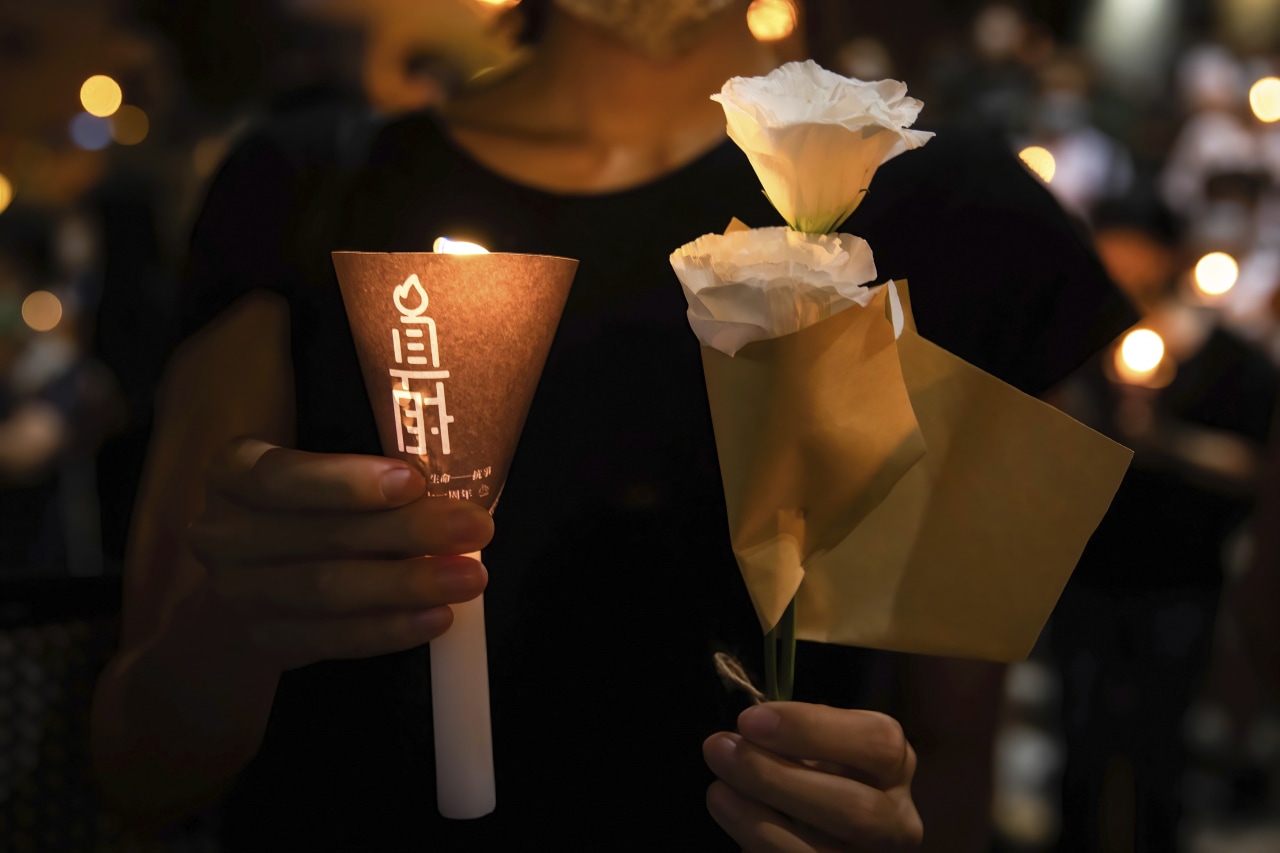
Three citizens of Hong Kong have been sentenced to ten years in prison for lighting memorial candles to commemorate the Tiananmen Square protests of June 4, 1989. This decision has sparked widespread criticism and raised concerns about the erosion of freedoms in the region under the National Security Law enacted in 2020.
The individuals, who were part of a gathering held on the anniversary of the protests, were charged with “subversion” by the Hong Kong police. This charge highlights the increasing restrictions on public expressions of dissent, particularly those related to historical events deemed sensitive by the authorities. The Hong Kong police stated that the actions of these citizens violated the law by promoting activities that could incite public disorder.
Repercussions for Commemorating History
The sentencing follows a broader crackdown on expressions of remembrance related to the Tiananmen Square incident. For decades, Hong Kong was known for its annual candlelight vigils held in Victoria Park, where thousands gathered to honor the victims of the brutal crackdown by Chinese authorities. However, such gatherings have been banned since 2020, forcing activists to resort to alternative means of commemoration.
The Civil Human Rights Front, an organization that previously organized these vigils, has been disbanded amid intensified government scrutiny. The group has been a vocal advocate for democracy and human rights in Hong Kong, but its activities have faced significant restrictions under the current political climate.
Despite the legal ramifications, many citizens remain committed to preserving the memory of the Tiananmen Square protests. In response to the recent sentences, various human rights organizations have condemned the actions of the Hong Kong authorities, emphasizing that such punitive measures are designed to stifle dissent and silence voices calling for accountability.
International Reaction and Future Implications
The international community has reacted strongly to the sentencing, with several governments and human rights groups expressing concern for the state of freedoms in Hong Kong. Activists argue that these actions reflect a broader trend of repression that threatens the fundamental rights of individuals in the region.
Human Rights Watch and Amnesty International have urged the Hong Kong authorities to reverse the sentences and respect the rights of citizens to peacefully assemble and commemorate significant historical events. The implications of this case extend beyond the individual sentences, as they signal a chilling effect on public displays of remembrance and dissent in the city.
As the situation continues to develop, many observers are left wondering how the ongoing repression will shape the future of civil liberties in Hong Kong. With the international spotlight now on these events, the resilience of the Hong Kong populace remains a focal point in the fight for democratic freedoms and human rights.
























