








































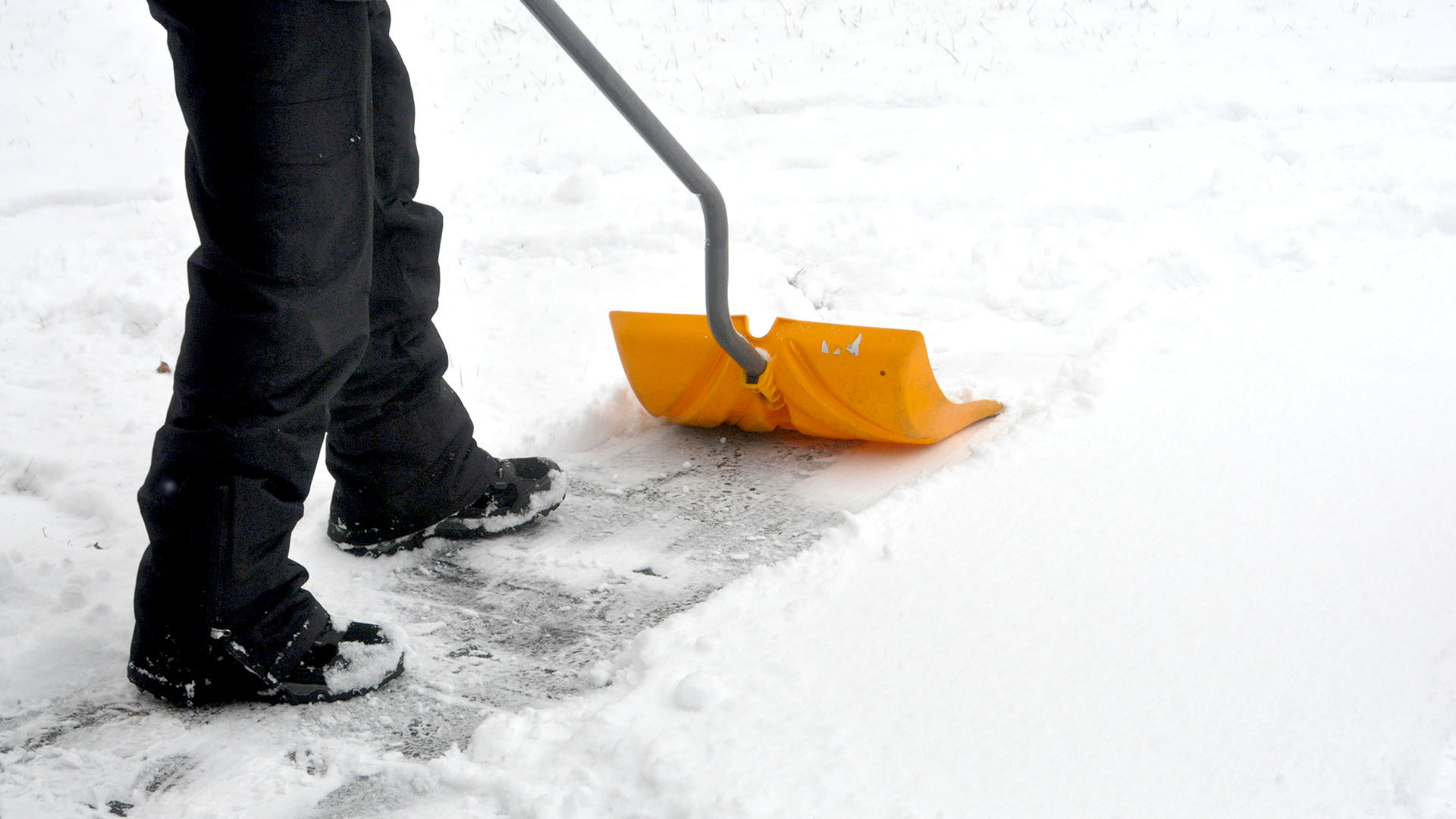
URGENT UPDATE: Homeowners who help clear snow from their neighbors’ driveways face potential legal action, experts warn. Clearing shared driveways or walkways might seem neighborly, but failing to obtain permission could lead to lawsuits if anything goes wrong.
Legal authorities emphasize that homeowners could be held liable for damages after salting or de-icing a neighbor’s driveway. “A private driveway is personal property,” said Mario Serralta, founder of Abogado Mario/Mario Serralta & Associates. “If you apply salt without permission and cause damage, you create exposure.”
The risk is real and immediate. Damage from salt can corrode concrete driveways and paving, as well as harm vehicles and pets. “If damage occurs, you could face repair costs, small-claims disputes, or liability issues if someone slips afterwards,” warns family law attorney John E. Roach.
Legal guidelines vary by location. In St. Cloud, Minnesota, for instance, residents are encouraged to shovel instead of using salt due to environmental concerns. The Public Works Department reports that just one teaspoon of salt can pollute up to five gallons of water, raising serious awareness about salt usage during winter.
Personal injury attorney David Wolkowitz strongly advises homeowners to communicate with their neighbors. “Ask if they mind their driveway being salted, and try to document it in writing,” he said. If you can’t ask in writing beforehand, follow up with a message after your conversation: “Thanks for chatting about the sidewalk. I’ll go ahead and salt it and let you know when I’m done.”
Homeowners are generally encouraged to follow a “mug” rule regarding salt application. The Michigan Water Stewardship Program states that one 12-ounce mug of salt is sufficient to treat a 20-foot driveway or ten sidewalk squares. This careful approach not only helps maintain neighborhood relationships but also protects against potential legal repercussions.
As winter weather continues, homeowners must stay informed about their responsibilities and the risks involved with snow removal. The best practice is clear: always ask before you act.
Stay tuned for more updates on this developing story as winter progresses.
























