








































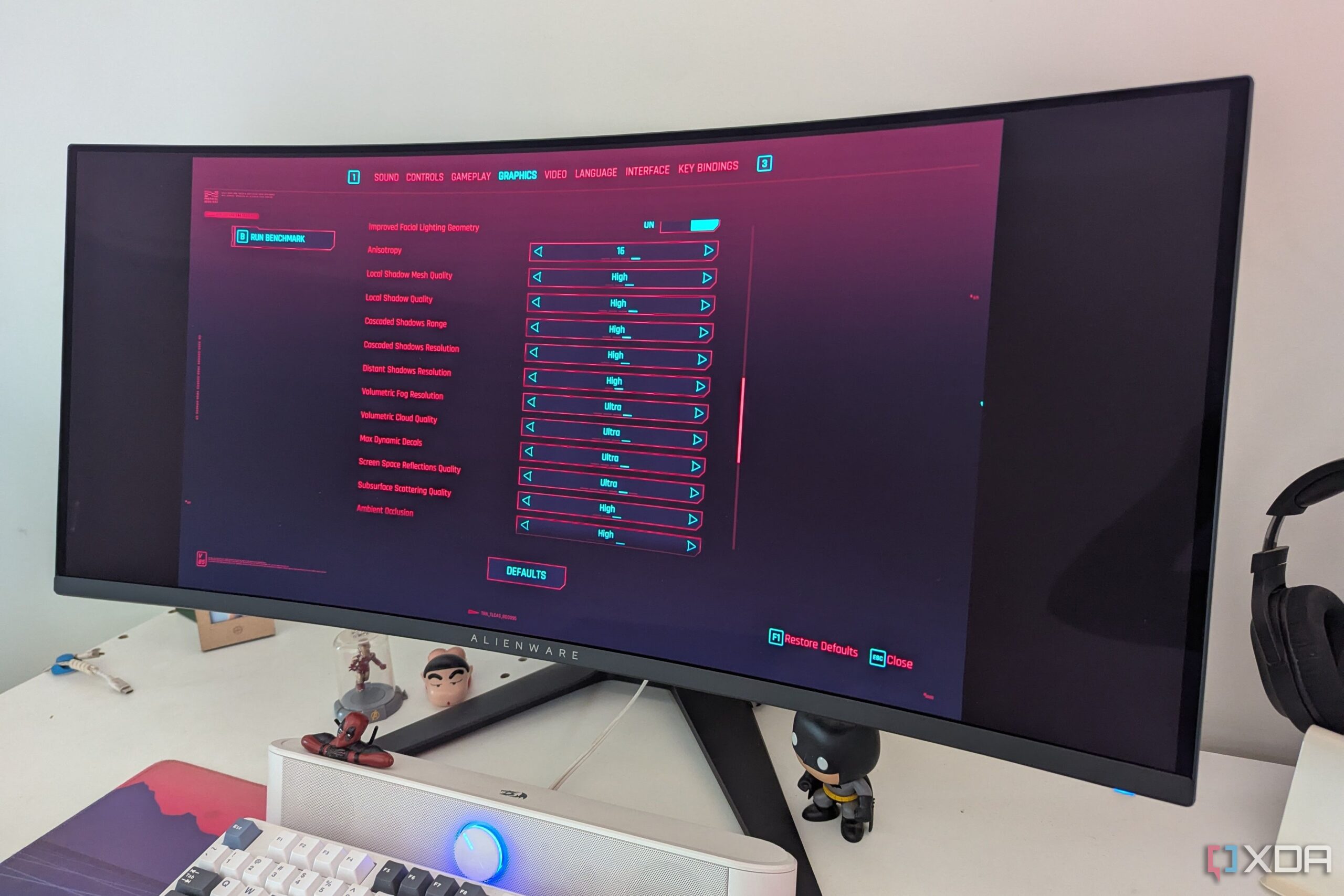
URGENT UPDATE: A growing number of gamers are questioning the reliability of “recommended” graphics settings in games, with many reporting performance issues that compromise their gaming experience. As of today, players are encouraged to reassess how they adjust their settings for better gameplay, especially with high-end GPUs like the RTX 4090.
The default presets, often seen in popular titles like Battlefield 6, are designed to balance visuals and performance. However, players have discovered that these settings primarily focus on aesthetic quality rather than delivering the smoothest gameplay possible. As more gamers invest in high refresh rate monitors, the need for optimized settings that prioritize frame rates over graphics clarity is becoming increasingly critical.
Many players, including those with top-tier hardware like the 5800X3D and RTX 4090, are experiencing noticeable frametime spikes during intense gameplay. These spikes can disrupt immersion and lead to a frustrating gaming experience. Users have pointed out that while the game may look visually appealing, the actual feel of the game can suffer significantly, especially during rapid camera movements.
One major issue with recommended settings is their reliance on GPU detection. When a game identifies a high-end GPU, it assumes the entire system is equally capable. This assumption fails to consider that many players have older CPUs or suboptimal RAM setups, leading to performance bottlenecks. For instance, some gamers found that using the RTX 4090 with a 5900X CPU resulted in limitations at 1440p, particularly in competitive FPS titles.
The trend towards using default settings is understandable for casual gamers. Many players prefer a hassle-free setup that allows them to jump into games without spending time adjusting settings. However, as competitive gaming continues to evolve, the demand for tailored graphics configurations is becoming more pronounced. Gamers who are serious about performance are now realizing that these presets may not push their systems to achieve peak efficiency.
The community has seen a surge in gamers sharing their experiences and optimization techniques through platforms like YouTube. Players are now learning to identify which settings cause frame drops and how to strike a balance that enhances both visual fidelity and gameplay smoothness. This shift underscores a growing awareness among gamers that understanding their hardware is crucial for maximizing performance.
As more gamers embrace this DIY approach to graphics settings, it is clear that the industry must address the limitations of default presets. Developers may need to refine their algorithms to offer more personalized recommendations based on individual system capabilities, rather than relying solely on GPU detection.
For those looking to enhance their gaming experience, it is essential to take the time to explore and tweak settings that align with personal preferences. As this trend continues to gain momentum, gamers are encouraged to share their findings and strategies, fostering a community focused on optimizing gameplay experiences.
Stay tuned for further updates as this developing story unfolds, and join the conversation on social media to share your thoughts on graphics settings and performance optimization.
























