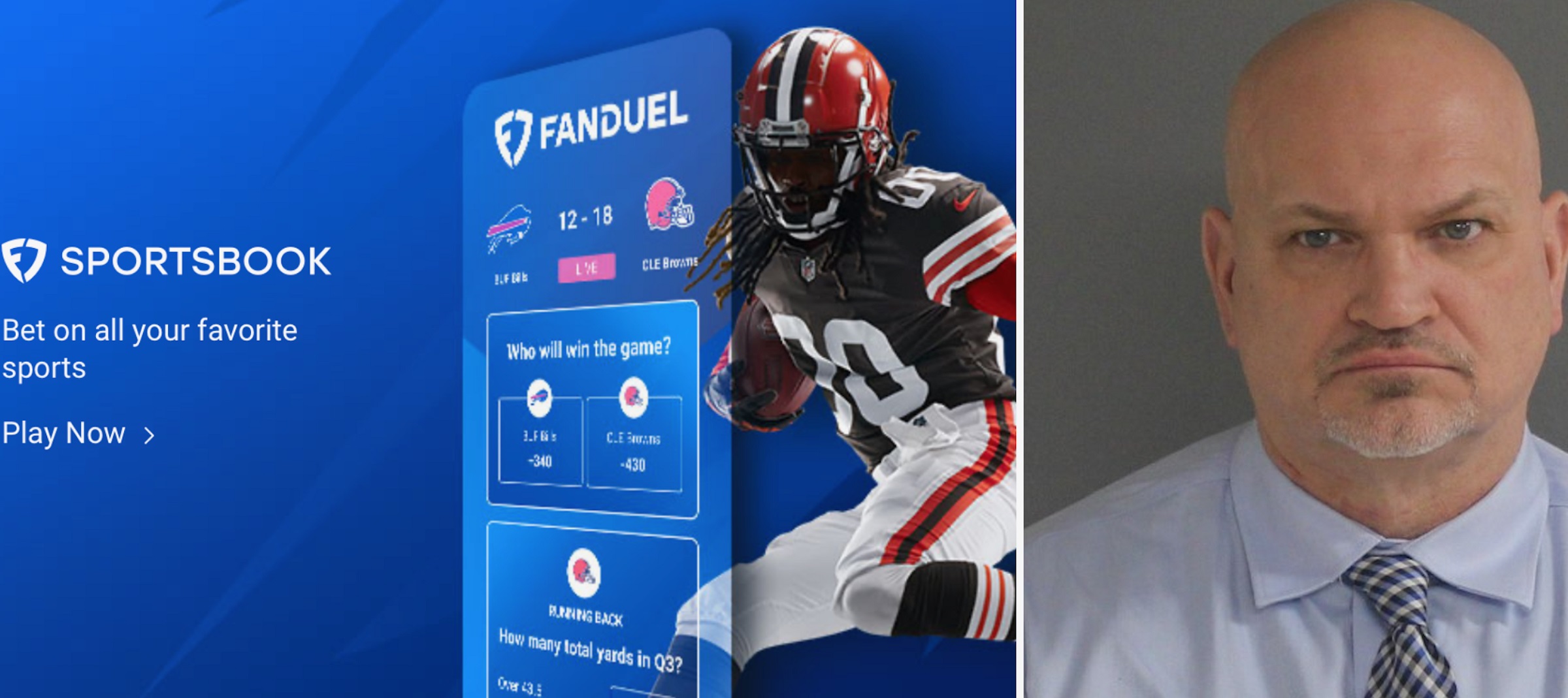
URGENT UPDATE: Former New Haven Police Chief Karl Jacobson has been arrested for allegedly embezzling $85,000 from departmental funds to fuel a staggering $4.4 million gambling spree on sports betting platforms, including FanDuel and DraftKings. This shocking development has raised alarms about the dangers of legalized sports betting in Connecticut, especially since online gambling was legalized in the state back in 2019.
Reports indicate that Jacobson’s gambling addiction spiraled out of control, leading him to place millions in bets while struggling with mounting debts. Experts argue that his case exemplifies a troubling trend within the state, where the Problem Gambling Helpline has seen a significant increase in calls since the introduction of online sports betting.
According to Jonathan D. Cohen, a leading authority on gambling addiction and the author of Losing Big: America’s Reckless Bet On Sports Gambling, Jacobson’s behavior fits a disturbing profile common among compulsive gamblers. He noted that many individuals only need to start with small wagers, which can quickly escalate into massive losses. “He just needed to start making repeated small bets per day,” Cohen explained.
Jacobson’s annual salary was around $180,000, leading many to question how he could afford such high-stakes gambling. However, experts like Cohen clarify that the structure of the sports betting system allows for high-volume betting even with minimal initial investments. “The furious velocity of betting allows some to gamble a large total amount of money while beginning with far less,” Cohen added during a recent interview.
The implications of Jacobson’s case extend beyond just one individual. Diana Goode, executive director of the Connecticut Council on Problem Gambling, stated, “Since we got online gambling, things have definitely changed.” She emphasized the aggressive marketing tactics employed by sportsbooks, which often lure in vulnerable individuals with enticing promotional offers, such as “risk-free” first bets.
Cohen warns that the current gambling environment mirrors the dangers associated with substance abuse, saying, “Gambling works in the exact same way [as addiction].” He proposes several policy changes aimed at curbing gambling addiction, including limiting the pace at which bets can be placed and instituting loss limits.
As Jacobson faces legal consequences, the state grapples with the broader ramifications of gambling addiction. Since the start of 2025, sports betting companies have reportedly profited over $16 billion nationally, with Connecticut alone generating over $163 million in gross revenue. Yet, Cohen notes, “we’re causing harm to all the Karl Jacobsons in the name of a drop in the bucket for the state.”
The Connecticut Council on Problem Gambling operates a 24/7 helpline at 1-888-789-7777 for those seeking help or support regarding gambling addiction. Resources are also available through the state’s self-exclusion program, allowing individuals to voluntarily ban themselves from sports betting.
As this story develops, Connecticut residents are urged to stay informed about the potential dangers of online gambling and its impact on communities. The case of Karl Jacobson serves as a critical reminder of the urgent need for responsible gambling practices and effective regulatory measures.