








































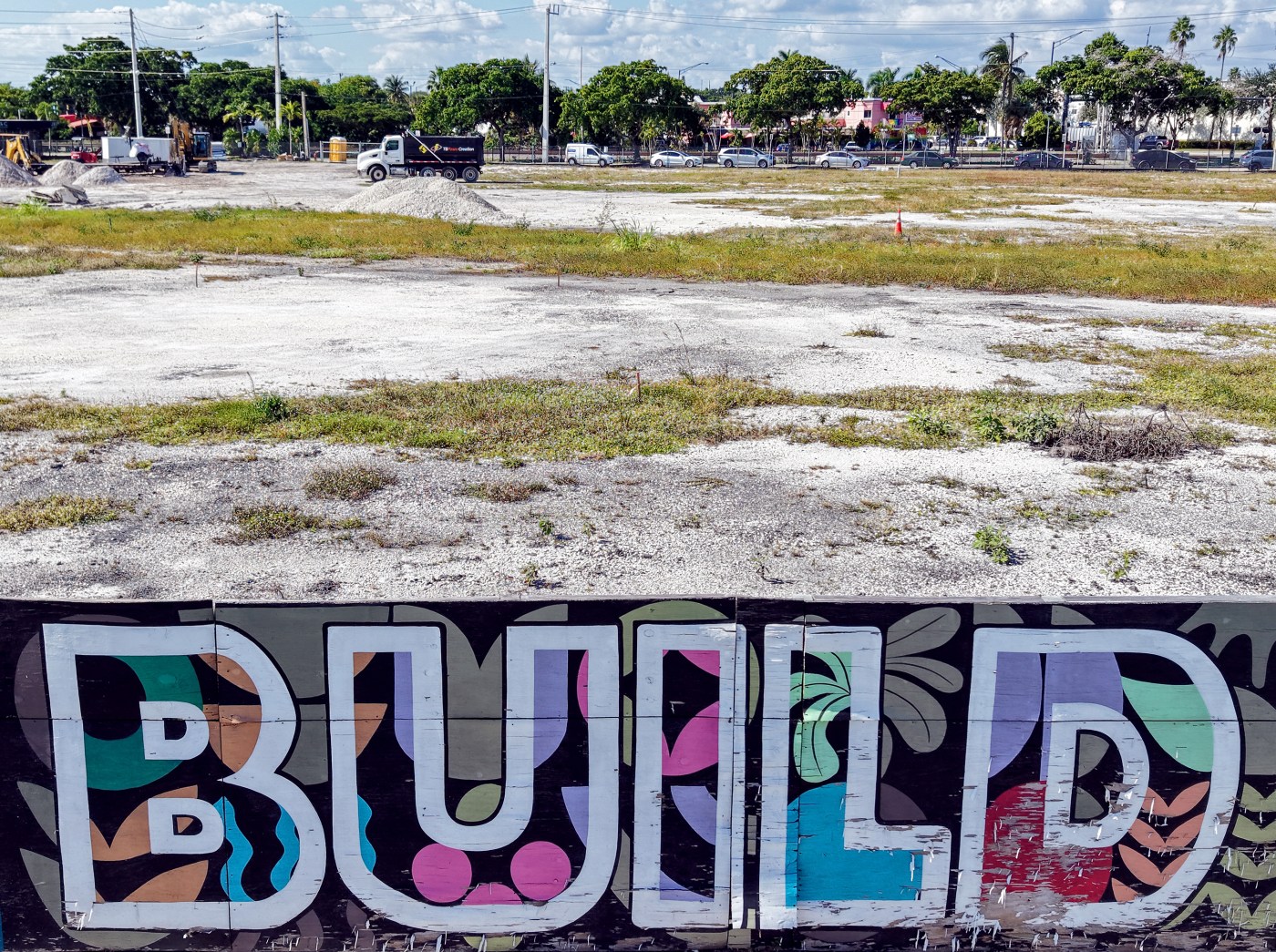
Florida lawmakers are approaching a critical deadline in the 2026 legislative session as they weigh the future of local planning authority, which was curtailed by Senate Bill 180 last year. This legislation, enacted under the guise of hurricane recovery, significantly limits local governments’ ability to amend comprehensive plans and land-use regulations. As a result, communities have found themselves unable to address pressing issues such as rising housing costs, infrastructure challenges, and increased flooding risks.
The implications of SB 180 extend beyond immediate storm recovery. Decisions made after August 2024 became invalid, effectively freezing pending decisions until October 2027. This situation leaves local governments without the necessary tools to adapt to changing conditions and emerging challenges.
Legislative Responses and Ongoing Challenges
Recognizing the urgency of the matter, the Florida Senate has introduced Senate Bill 840, which has passed two of its three committee reviews. While this bill would restore some planning authority to local governments after future storms, it does not fully reverse the restrictions imposed by SB 180. Nonetheless, it represents a step towards enabling communities to tackle new issues and adapt to evolving circumstances.
In stark contrast, the House of Representatives has shown minimal interest in advancing a companion bill. Each passing week diminishes the window for legislative action, meaning that the planning freeze established by SB 180 may persist, not due to its effectiveness, but rather because lawmakers chose not to address the issue.
Local planning is essential for effective community management, guiding decisions on housing development, infrastructure funding, flood risk mitigation, and land conservation. Stripping away planning authority undermines not only flexibility but also accountability to future residents. Despite this, the Florida Legislature has increasingly criticized local governments for failing to address challenges such as affordable housing and traffic congestion—issues that they are no longer empowered to resolve.
The Broader Context of Planning Authority in Florida
The current legislative landscape reveals a broader trend of consolidating land-use power at the state level, diminishing local decision-making and public participation. Senate Bill 840 is just one piece of a larger puzzle, amidst proposed legislation such as SB 948 and HB 1143, collectively known as the Florida Starter Homes Act. These bills aim to prevent local governments from enforcing land-development regulations, effectively imposing a one-size-fits-all zoning approach for residential areas, regardless of local needs.
Further bills, including SB 354 and HB 299, commonly referred to as the “Blue Ribbon” bills, would centralize development decisions at the state level, undermining local review and public input for significant projects. Additionally, proposals like SB 686 and HB 691 threaten to further erode local governments’ abilities to manage urban sprawl and protect vital rural and agricultural land.
This pattern raises concerns about the future of community governance in Florida. Decisions affecting growth and development are increasingly made far removed from the communities that will bear the consequences. Local leaders are left with the challenge of managing strained infrastructure, higher taxes, flooding, and the loss of vital land, all while being stripped of necessary planning tools.
Florida’s history reveals the dangers of unchecked sprawl, resulting in costly infrastructure expansions and the rapid disappearance of natural systems and working lands. Previous community planning and growth management policies were designed to ensure that development remained fiscally responsible, environmentally sound, and aligned with public values.
The introduction of SB 180 disrupted this balance. SB 840 represents a modest but significant opportunity to restore local planning authority, reaffirming the principle that communities are best equipped to understand and address their needs through transparent and accountable processes.
If the Legislature fails to advance SB 840, it would signal a willingness to dismantle the planning system without any intention of repairing it. Florida’s pressing challenges—growth, housing affordability, and resilience—cannot be resolved by sidelining local governments. As the session draws to a close, it is crucial for the House to take action on SB 840 to ensure effective community planning remains a priority.
Haley Busch, communications and outreach director for 1000 Friends of Florida, emphasizes the importance of restoring local planning authority in light of these challenges. For more information, visit www.1000fof.org. This commentary was distributed by The Invading Sea, a platform focusing on climate change and environmental issues affecting Florida.
























