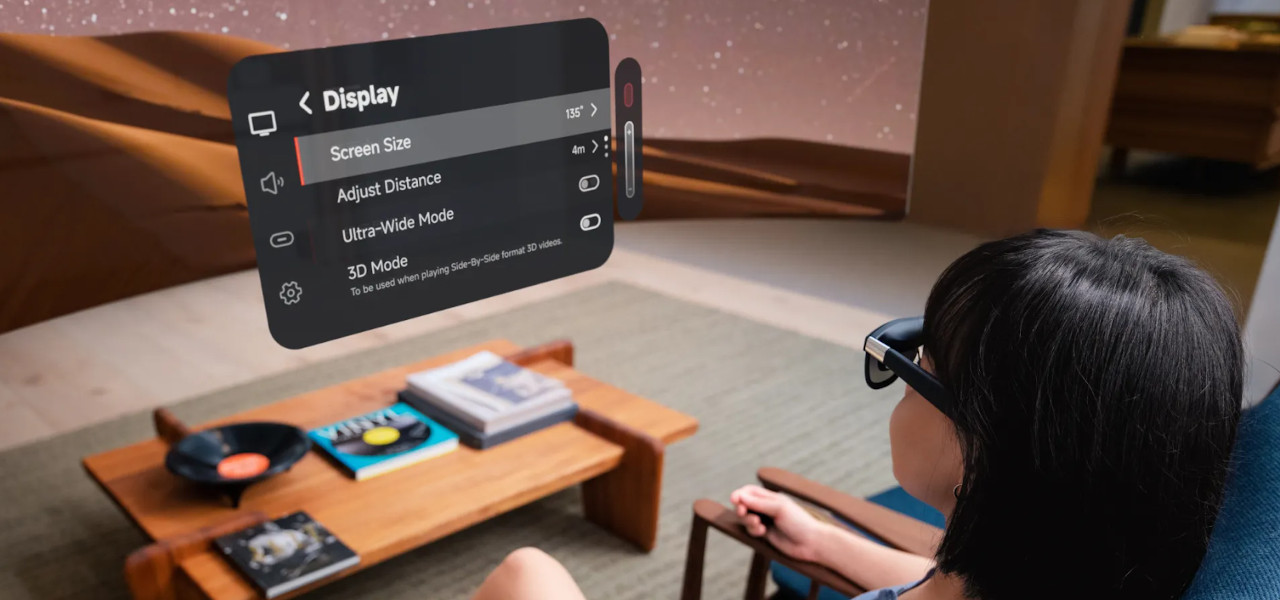
The conversation around smart glasses is heating up, as recent discussions in the tech community question consumer readiness for augmented reality (AR) eyewear. In an article published by IEEE Spectrum, technology writer Alfred Poor explores the evolving landscape of smart glasses, highlighting the challenges and potential futures for this technology.
The journey of smart glasses began with the launch of Google Glass in 2012, which failed to find a compelling use-case among consumers. Nearly a decade later, the technology landscape appears to be shifting. Poor suggests that while virtual reality (VR) may be waning in popularity, AR is gaining traction, particularly with the integration of advanced artificial intelligence (AI).
Competing Visions of Smart Glasses
At present, two notable products are vying for attention in the smart glasses market: the One Pro from Xreal based in Beijing, and AI Glasses from Halliday in Singapore. Each of these products represents distinct design philosophies and technological approaches, reflecting the diversity of consumer preferences and market innovation.
The article further explores the implications of this technology through insights from Louis Rosenberg, CEO and chief scientist of Unanimous AI. He predicts that within five years, “immersive AI-powered glasses will replace the smartphone as the primary mobile device in our digital lives.” This bold statement invites both excitement and skepticism about the future of personal technology.
As smart glasses remain a hot topic, consumers are left to ponder whether they are ready to embrace this new form of digital interaction. The increasing presence of AI in these devices raises questions about functionality and user experience. Promotional materials from Halliday showcase potential user reactions to their AI Glasses, revealing a mix of curiosity and apprehension.
The Road Ahead
Despite the current uncertainty, the interest in smart glasses continues to grow, spurred by advancements in technology and changing consumer expectations. As companies like Xreal and Halliday push the boundaries of what’s possible, the conversation around smart glasses is likely to evolve further.
For those eager to delve deeper into this topic, additional articles such as “Making Glasses That Detect Smartglasses” and “Mentra Brings Open Smart Glasses OS With Cross-Compat” provide valuable insights into the current state of smart eyewear technology. As the market develops, the quest for a practical and appealing use-case for smart glasses remains a focal point for both manufacturers and consumers alike.
While predicting the future of technology is inherently challenging, the dialogue surrounding smart glasses signifies a pivotal moment in digital interaction. As consumers consider the implications of AR and AI, the question remains: Are we ready to adopt smart glasses into our daily lives?