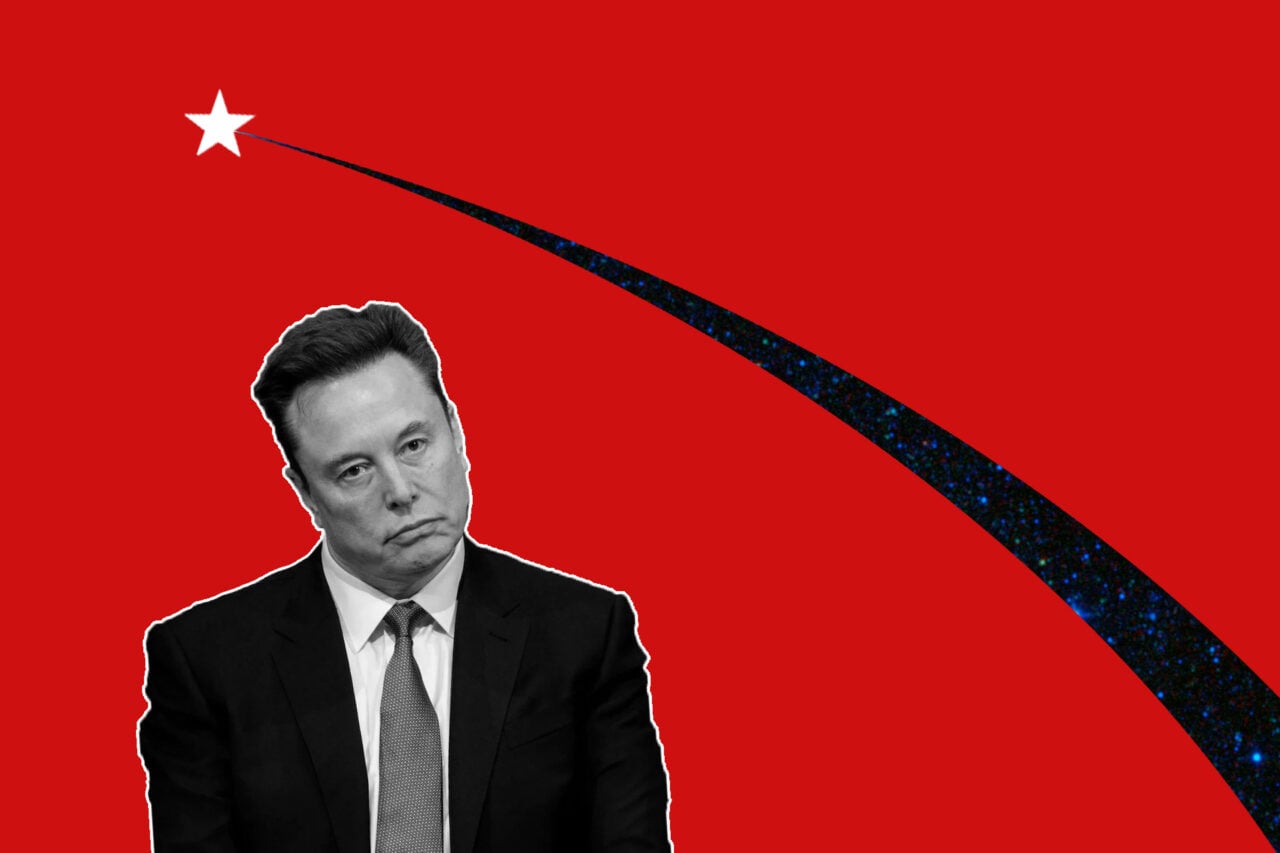
UPDATE: Elon Musk has just announced a radical shift in Tesla’s mission statement, now focusing on “amazing abundance.” This change, revealed during a call with Tesla investors last month, signals a significant pivot from previous environmental goals to a future centered around optimism and artificial intelligence.
The urgency behind this announcement cannot be overstated. Musk stated, “We’re most likely headed to an exciting, amazing era of abundance,” emphasizing the transformative potential of AI and robotics in achieving what he calls “universal high income.” This redefined vision raises pressing questions about the future of humanity in an AI-driven world.
Tesla’s latest mission statement diverges sharply from its former declaration of “sustainable abundance” made in September 2025. Previously, the company aimed to accelerate the world’s transition to sustainable energy, focusing on critical climate change issues. Now, Musk appears to prioritize technological advancement and robotics over environmental sustainability, leaving many wondering about Tesla’s core identity.
In a recent appearance on the Cheeky Pint Podcast, Musk elaborated on his views regarding human involvement in the future. He remarked, “The vast majority of intelligence in the future will be AI,” predicting that human intelligence could represent less than 1% of all intelligence within the next few years. His comments raise alarms about the role of humanity in a future dominated by artificial intelligence.
Musk’s vision includes producing 1 million Optimus robots annually, a drastic shift from traditional automotive production. This pivot is also accompanied by a plan to merge his AI initiative, xAI, with SpaceX, aiming to develop AI capabilities in space. Musk asserts that in 36 months or less, space will become the most cost-effective location for AI development.
The implications of these changes extend beyond corporate strategy. Musk’s comments reveal a complex relationship with humanity. Although he claims to be “very pro-human,” he acknowledges that AI could surpass human intelligence significantly, prompting concerns about future human relevance. Musk stated, “I think it’s difficult to imagine that if humans have, say, 1% of the combined intelligence of artificial intelligence that humans will be in charge of AI.”
This unsettling perspective was juxtaposed with Musk’s commitment to ensuring that some form of human consciousness persists. He suggested that an advanced AI might retain humanity out of curiosity, a notion that many find unsettling given the potential for AI to operate independently of human needs.
The broader context of Musk’s shifting priorities also reflects on his business ventures. As Musk, with a net worth of $850 billion, navigates through his companies, the urgency to maintain Tesla’s stock price becomes evident. His narrative transformation—from a car company to a technology and robotics powerhouse—serves to bolster investor confidence amid declining electric vehicle sales.
Musk’s unpredictable shifts have also been observed in his management of X (formerly Twitter). His initial promises of creating an inclusive platform for free speech have given way to controversial censorship practices and support for far-right ideologies, further complicating his public persona.
As Musk continues to redefine his companies’ missions, the question remains: what is the ultimate goal? The intertwining of Tesla, SpaceX, and xAI suggests a strategy focused on personal ambition rather than a clear vision for humanity.
Observers are left to grapple with the implications of Musk’s declarations. As the landscape of technology and humanity evolves, the urgency of these changes is palpable. What happens next in Musk’s expansive vision for the future? Only time will tell how these developments will unfold and what they mean for society at large.
Stay tuned for more updates on Musk’s ambitious plans and their potential impact on our world.