








































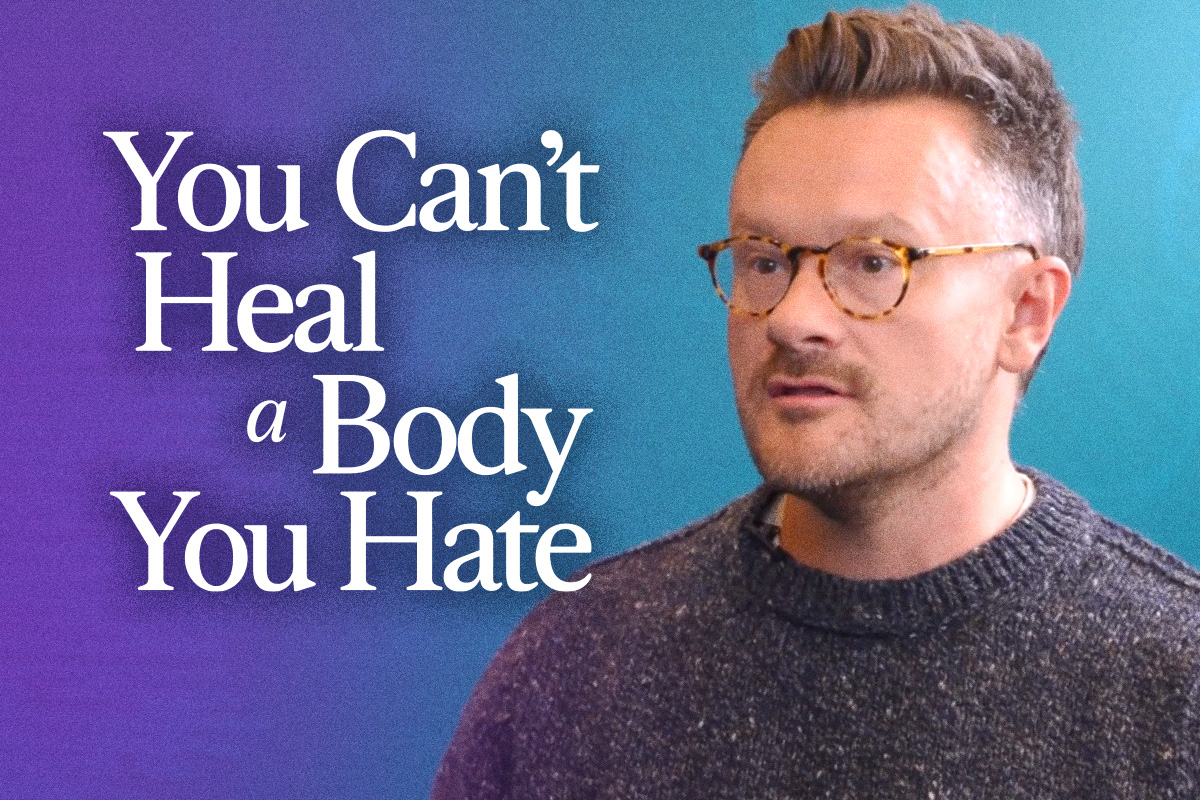
Negative emotions can profoundly impact our physical health, and among them, shame stands out as particularly damaging. In a recent discussion, Dr. Will Cole, a prominent expert in functional medicine, examined the concept of “shameflammation,” a term he uses to describe how feelings of shame can trigger chronic inflammation in the body. This connection sheds light on why individuals may struggle to heal when they harbor negative feelings about themselves.
Dr. Cole emphasizes that shame does not only affect mental well-being; it manifests physically, influencing various bodily processes. He explains that the interplay between shame and inflammation can create a cycle that hinders recovery from illness. “You can’t heal a body you hate,” Dr. Cole asserts, highlighting the necessity of addressing emotional health as part of any healing journey.
Understanding Shame and Its Effects
The impact of shame often traces back to childhood experiences. Dr. Cole notes that trauma experienced during formative years can linger into adulthood, revealing itself in lab work and health issues decades later. This delayed response illustrates how deeply emotions can affect biological processes.
Many individuals find themselves doing everything “right” in terms of health—exercising, eating well, and following medical advice—yet still experience persistent health problems. Dr. Cole explains that without addressing the underlying feelings of shame, these efforts may not yield the expected results. He urges a shift in focus from self-blame to self-responsibility, encouraging individuals to take ownership of their health journey without falling into the trap of negative self-talk.
The Path to Healing Through Self-Compassion
A critical aspect of Dr. Cole’s approach is the emphasis on self-compassion. He argues that cultivating a compassionate relationship with oneself can significantly reduce inflammation and improve overall health. Research supports the notion that self-compassion can lead to better stress management and emotional resilience, which are essential for physical healing.
Dr. Cole draws from his years of clinical practice to offer practical insights on breaking free from the shame-inflammation cycle. He suggests that individuals engage in mindfulness practices, seek therapy, and develop supportive social networks to foster a more positive self-image. By addressing both emotional and physical health, individuals can work toward a more integrated approach to healing.
This conversation brings to light the intricate connections between our mental and physical states, underscoring the importance of addressing emotional wounds in the pursuit of better health. Dr. Cole’s insights serve as a reminder that healing is a holistic process, requiring both self-awareness and self-compassion.
























