








































A personal trainer’s recent journey into Pilates highlights the unexpected challenges of core strength through a week of daily flutter kicks. While initially skeptical of Pilates, this trainer has come to appreciate its benefits, particularly in enhancing muscle strength, mobility, and overall body conditioning.
Despite not having a six-pack, the trainer underscores the significance of a strong core beyond aesthetics. A robust midsection contributes to better posture, spinal stability, and injury prevention, which are essential for safe movement at any age. Scientific research supports these claims, emphasizing the importance of core strength in functional fitness.
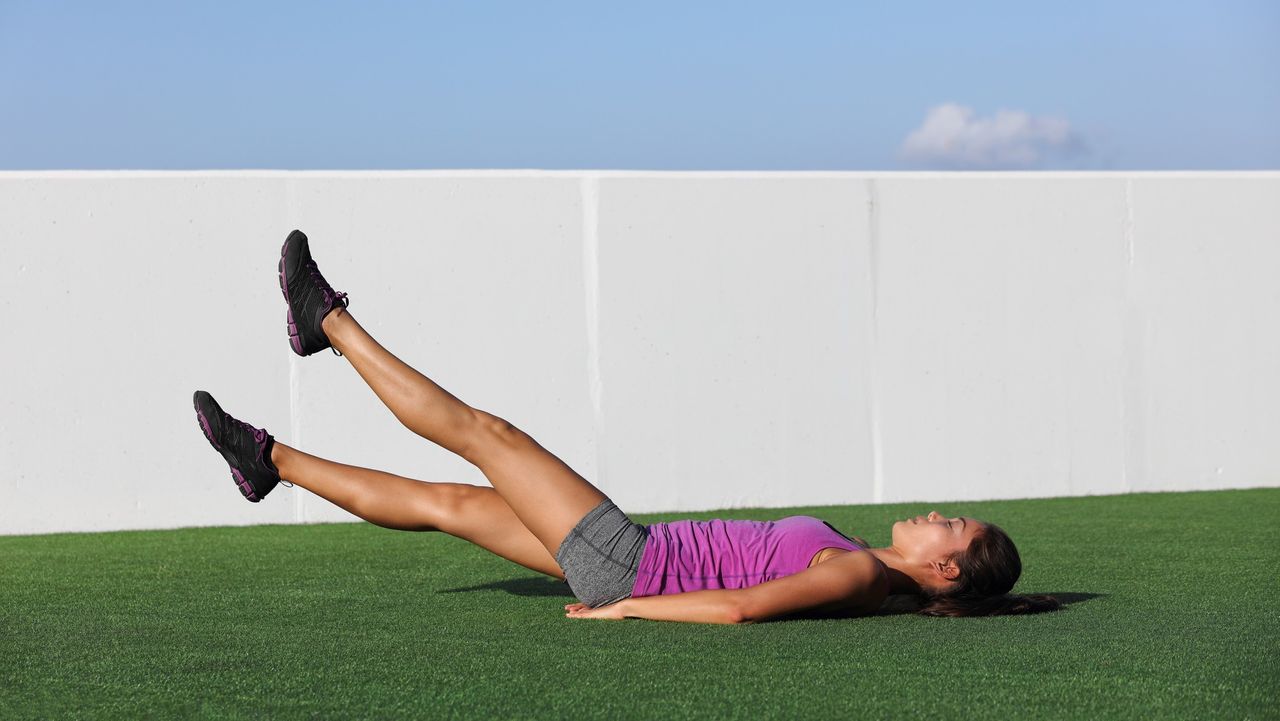
Flutter kicks, an exercise that appears frequently in Pilates routines, became the focal point of this experiment. The move involves lying on one’s back and fluttering the legs up and down just above the ground, while engaging the core. Although commonly included in various abdominal workouts, flutter kicks offer unique benefits that extend beyond mere aesthetics.
The Mechanics of Flutter Kicks
To perform flutter kicks correctly, the individual lies on their back and lifts their shoulders off the mat, engaging the core throughout the process. The legs are raised to hover above the ground, and the movement is characterized by alternating kicks. Crucially, the exercise should rely on core engagement rather than momentum, ensuring that the midsection does the work.
The experience of committing to flutter kicks daily for one week revealed several insights about core engagement. While one might assume a strong core translates into ease in performing such movements, the reality was a humbling challenge. The trainer noted that despite training in CrossFit, where maximal strength is emphasized, Pilates demands a different skill set focused on endurance, control, and stability.
Insights Gained from Daily Practice
Throughout the week, the trainer discovered that flutter kicks are not solely an abdominal exercise. The move targets a range of core muscles, including the transverse abdominis and hip flexors, contributing to a well-rounded core workout. This distinction is crucial since core strength encompasses more than just the visible abdominal muscles; it includes various muscle groups around the pelvis, spine, and ribcage.
Another key observation was the difficulty in maintaining proper form throughout the movement. The trainer had to concentrate on multiple factors, including shoulder blade positioning, abdominal compression, and breath control. This highlights the importance of the mind-muscle connection in achieving effective core engagement.
Perhaps most importantly, the trainer noted a significant reduction in back strain compared to traditional exercises like sit-ups or crunches. Flutter kicks allow for a stable back position, reducing the risk of injury while still effectively engaging the core. This exercise serves as a formidable alternative for anyone looking to enhance core stability without compromising spinal health.
As the week progressed, the trainer experienced noticeable improvements in breathing and control during the exercise. Although daily flutter kicks alone may not yield immediate results in endurance, they serve as a valuable tool for activating deep core muscles. The experience reinforced the importance of combining various core workouts, including Pilates, weightlifting, and yoga, for optimal results.
In conclusion, while flutter kicks can significantly enhance core stability and strength, they should be integrated into a broader fitness regime to maximize effectiveness. The trainer’s journey serves as a testament to the value of exploring different modalities of exercise, highlighting how Pilates can complement traditional strength training practices. As fitness enthusiasts continue to seek methods for improving their core strength, flutter kicks present a compelling and effective option for achieving those goals.
























