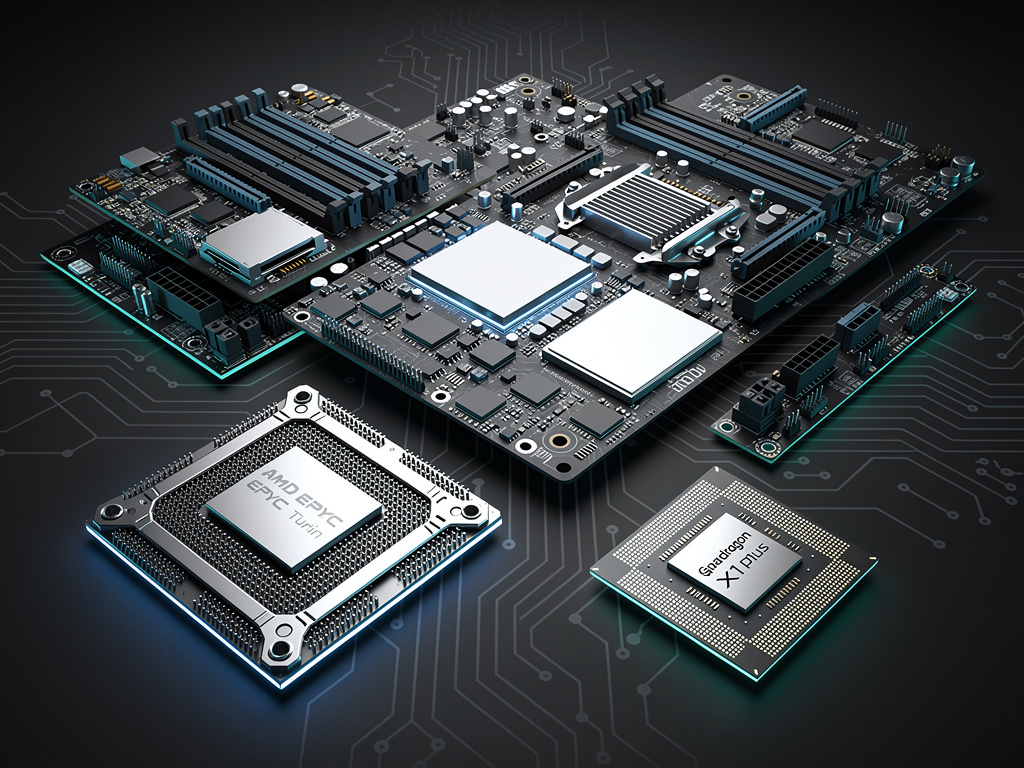
UPDATE: The latest version of Coreboot, 25.12, just launched, introducing critical support for AMD EPYC 9005 “Turin” processors and Qualcomm’s Snapdragon X1 Plus platform. This urgent update, announced in December 2025, marks a significant leap toward enhanced hardware compatibility in the open-source firmware landscape.
The Coreboot project, known for its commitment to freeing computing devices from proprietary BIOS constraints, has implemented over 750 commits from more than 110 contributors, including numerous first-time participants. This collaborative effort signals a strong push for innovation and inclusivity within the tech community.
Why does this matter now? The introduction of support for AMD’s high-core-count Turin processors could reshape server environments, promising improved efficiency for data centers. While still in the proof-of-concept stage, this enhancement lays the groundwork for future integrations, potentially revolutionizing cloud infrastructure and reducing vendor lock-in.
In addition, the incorporation of Qualcomm’s Snapdragon X1 Plus indicates a growing trend towards expanding the Coreboot ecosystem to include more Arm-based devices. This move aligns with industry discussions on diversifying beyond traditional x86 architectures, which could significantly impact mobile computing and automotive systems.
Coreboot 25.12 also refines its core functionalities, enhancing tools like amdfwtool for better performance on AMD platforms and addressing critical issues like boot times and driver compatibility. Developers have reported fewer challenges when deploying Coreboot on Ryzen and EPYC systems, increasing its viability for custom server builds.
The community’s response on social media reflects optimism about these advancements, with many highlighting the potential for enhanced customizability and performance in next-generation hardware. The release also provides smoother transitions to operating systems with optimized payload options like SeaBIOS and GRUB, crucial for embedded systems and IoT devices.
Security improvements are another focus of this update, with patches addressing vulnerabilities in memory handling and firmware verification. These enhancements align with industry standards, reinforcing Coreboot’s commitment to providing a secure, open-source alternative in an era where transparency is paramount.
Looking ahead, industry insiders will be closely monitoring how these innovations influence server trends, especially with the anticipated rise of openSIL’s production status for AMD’s Zen 6 processors. As Coreboot continues to evolve, its ability to minimize binary blob dependencies positions it as a promising solution for enterprises seeking reliable and secure firmware alternatives.
The ripple effects of Coreboot 25.12 are already being felt across various sectors, impacting software ecosystems and compliance frameworks. The emphasis on open firmware resonates with growing calls for transparency in tech supply chains, particularly in critical industries like healthcare and finance.
As the Coreboot community gears up for future developments, events such as hackathons and conferences are expected to foster further innovation. The project’s inclusive approach invites more developers to engage, ensuring that Coreboot remains at the forefront of the open-source firmware movement.
In summary, Coreboot 25.12 not only enhances existing capabilities but also charts a course for a more inclusive and high-performance firmware ecosystem. The implications for hardware and software industries are profound, making this release a pivotal moment for those invested in the future of open-source technology. Share this update to keep others informed about the latest in firmware advancements!