








































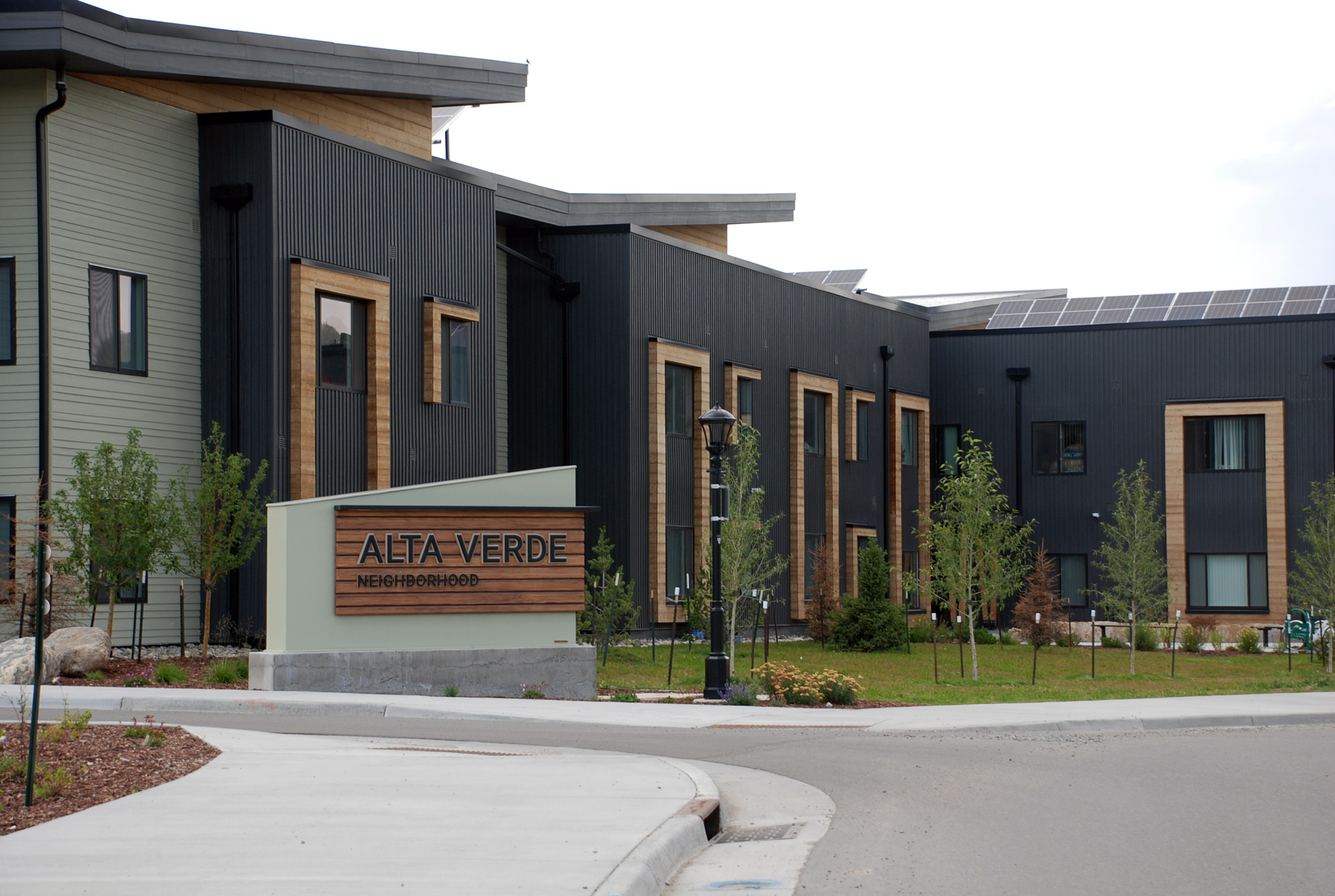
A significant move to address housing affordability has taken place in Breckenridge, Colorado, where nearly 75% of the full-time residences are reserved for local workers. This initiative comes in response to soaring home prices, which have increased by more than 80% over the past decade, making it increasingly challenging for essential workers to find suitable accommodation.
Jake Carter, a 27-year-old emergency medical technician, exemplifies the impact of this housing policy. He purchased a two-bedroom condo in Breckenridge for significantly less than the average listing price of $1.85 million. Carter’s home benefits from a “deed restriction,” ensuring it is available only to those who work at least 30 hours a week in the town, effectively excluding tourists and remote workers.
To facilitate his home purchase, Carter utilized a program called Housing Helps. This initiative provided him with 10% of the purchase price to assist with his down payment in exchange for agreeing to a restriction that limits the condo’s price appreciation to 3% annually. “I definitely have this program to thank for my permanence here,” Carter remarked, emphasizing the essential role of these initiatives in making housing affordable.
The housing crisis extends beyond Breckenridge, as a Harvard University study reveals that home prices in rural vacation areas of the West rose by over 50% from 2020 to 2023. Many workers in areas such as Jackson, Wyoming, and Whitefish, Montana, face similar challenges, with local economies and community structures at risk.
Despite the difficulties, Breckenridge has made notable advancements in housing for its workforce. About 68% of the town’s housing stock consists of second homes or vacation rentals, yet the town has successfully reserved around 75% of its full-time residences for local workers. This achievement is the highest percentage among Colorado ski towns. Following the passage of a $50 million housing plan in 2022, over 400 new deed-restricted units have been constructed, with plans for an additional 300 units in the next four years.
Innovative Strategies for Local Housing
Breckenridge’s housing director, Laurie Best, outlines the town’s strategic approach to addressing housing needs. The annexation of nearby land has been a pivotal factor, allowing the town to negotiate with developers to ensure that 80% of new units are deed-restricted for local residents. This collaboration has led to the acquisition of land for future housing developments.
In addition to land acquisition, Breckenridge has implemented a program known as Buy Downs. This initiative involves purchasing properties that enter the market, placing deed restrictions on them, and selling them to locals at discounted rates. Currently, approximately 1,700 of the estimated 2,300 homes occupied by residents in Breckenridge are designated for the local workforce.
Collaborative efforts have been essential to the town’s housing strategy. Best has worked closely with private developers and major employers, including the local ski area and school district, to secure funding and resources for housing initiatives. As a result, Breckenridge generates over $13 million annually through various taxes and fees, which are directed into a dedicated housing fund.
Challenges and Future Needs
While Breckenridge has made commendable strides in workforce housing, challenges remain. The area still requires approximately 1,200 additional units to adequately house its workforce, according to a 2023 study. The demand for affordable housing is evident, as demonstrated by a recent apartment complex lottery that attracted over 1,000 applicants for just 52 available units.
The cost of new developments is also a concern. A three-bedroom unit in the latest construction is expected to be priced around $780,000, with townhomes ranging around $300,000. Such prices raise questions about the effectiveness of the term “affordable” in this context, leading Best to prefer the term “workforce housing.”
Despite these challenges, the initiatives in Breckenridge have created opportunities for individuals like Jake Carter, allowing them to remain in their communities and contribute to local life. “It’s created this life that I can live sustainably in my dream town and still feel like I’m able to contribute to my community,” he shared, underscoring the importance of these housing efforts in enhancing the quality of life for local residents.
























