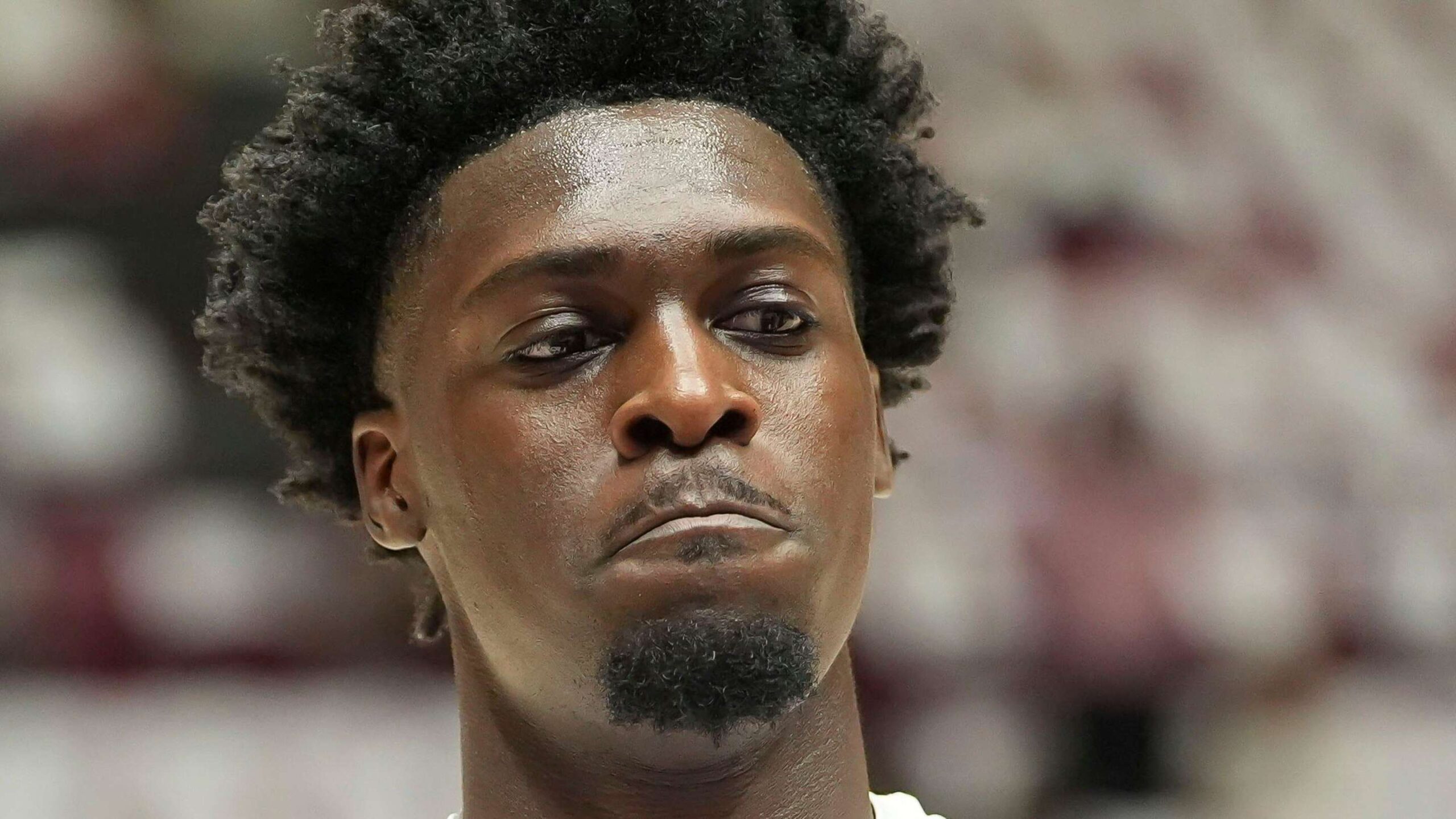
The landscape of college basketball continues to evolve rapidly, as former Alabama center Charles Bediako has been cleared to return to collegiate competition. Bediako made his second debut for the Alabama Crimson Tide on January 24, 2026, scoring 13 points along with three rebounds, two blocks, and two steals in 25 minutes on the court. His eligibility has sparked discussions among fans and analysts about the shifting rules surrounding player status in college athletics.
Bediako’s return follows a broader trend in college sports, particularly basketball, where former players can re-enter the college system if they have not signed a professional contract. This change was highlighted by the recent case of James Nnaji, who was the 31st overall pick in the 2023 NBA Draft. After playing professionally in Europe, Nnaji returned to college basketball with Baylor University, averaging 1.7 points and 3.7 rebounds.
Eligibility Controversy Surrounds Bediako
Before his recent return, Bediako had spent two seasons with Alabama from 2021 to 2023 before attempting to transition to the NBA. He went undrafted and subsequently spent three seasons in the G League but did not make it to the NBA. His path back to college basketball required a ruling from Tuscaloosa County Circuit Judge Jim Roberts, who deemed him eligible to play. Notably, Judge Roberts has been identified as a significant financial supporter of the Crimson Tide, raising questions about the integrity of the ruling.
In Bediako’s first game back, the Tennessee Volunteers defeated Alabama 79-73. The social media team for Tennessee capitalized on the situation, playfully referencing Bediako’s time in the G League by tagging the Delaware Blue Coats, the G League affiliate of the Philadelphia 76ers, in their posts. The Duke Men’s Basketball account also joined the conversation, responding with a “lol” to Tennessee’s tweet, indicating their disapproval of the unfolding circumstances.
Shifting Dynamics in College Basketball
The return of players like Bediako raises important questions regarding eligibility standards in college basketball. While he has not violated any rules, the situation illustrates the complexities surrounding player movement between professional leagues and college athletics. Fans and analysts alike are increasingly concerned about what these changes mean for the integrity and competitiveness of college basketball.
As the season progresses, the ramifications of these eligibility rules will likely continue to be a topic of debate among stakeholders in college sports. The Bediako situation exemplifies the evolving nature of collegiate athletics, where traditional boundaries are increasingly blurred.
For ongoing updates about college basketball and player movements, stay tuned. As the conversation around eligibility evolves, it will be crucial to monitor how these changes impact teams and players across the landscape of college sports.