








































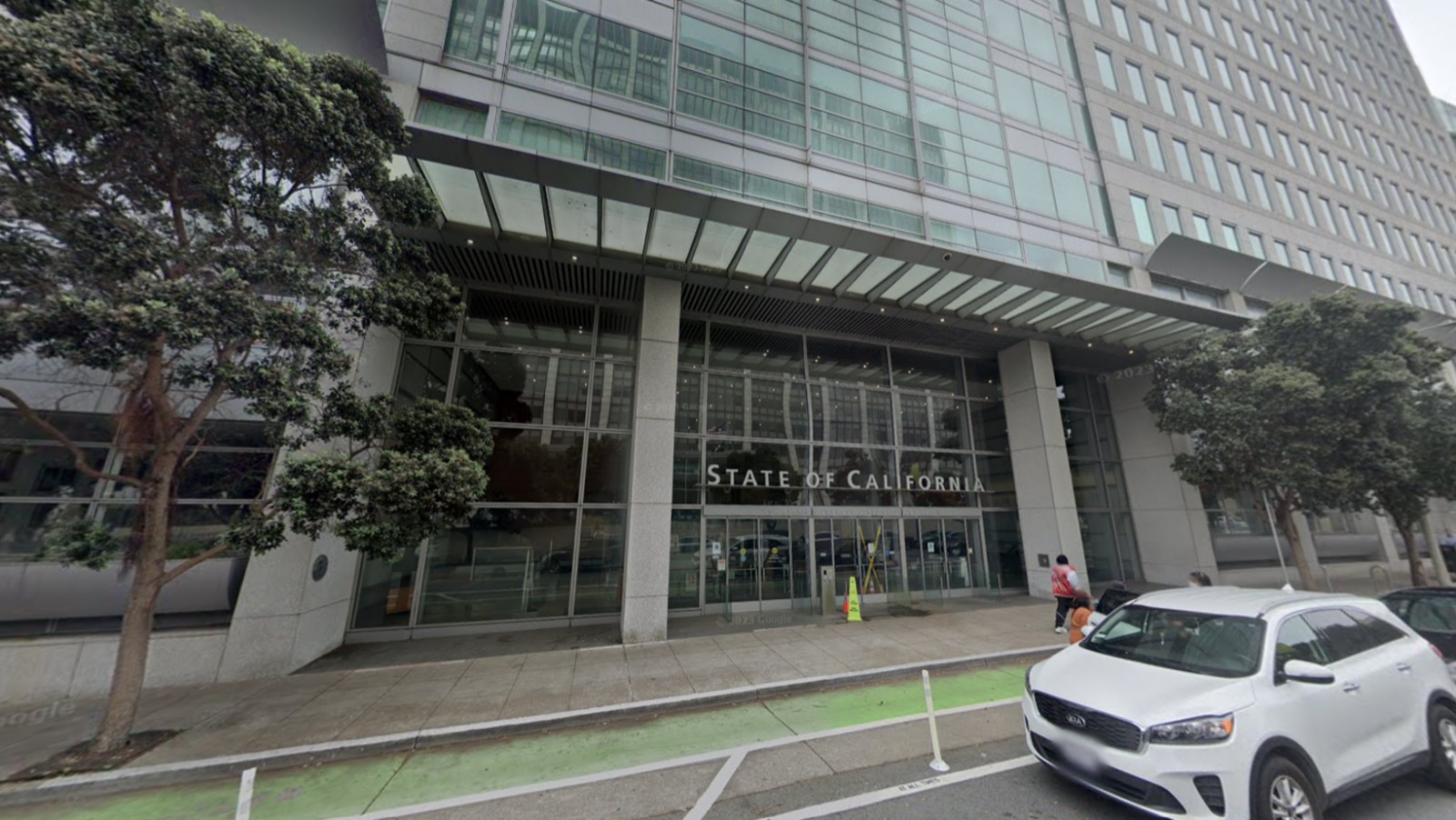
California Attorney General Rob Bonta is taking legal action against the city of El Cajon, seeking a court order to stop the sharing of automatic license plate reader (ALPR) data with agencies outside California. In a motion filed this week, Bonta has requested the San Diego Superior Court to declare the city’s practices unlawful, citing concerns over privacy and compliance with state laws. A hearing is set for February 13, 2024.
The California Department of Justice announced the motion, which calls for a writ of mandamus to compel El Cajon and its police chief to cease transmitting ALPR information to entities beyond state lines. This legal move underscores the state’s commitment to enforcing its privacy regulations, especially as reports indicate that El Cajon’s ALPR system has recorded hundreds of thousands of vehicle reads in recent weeks.
El Cajon Defends Its Data-Sharing Practices
El Cajon’s Mayor Bill Wells has publicly defended the city’s data-sharing efforts, asserting that the ALPR system is a crucial law enforcement tool. In an interview with NBC 7 San Diego, Wells stated that the city will continue its practices unless mandated otherwise by the court. He emphasized that the system has been instrumental in solving serious crimes, labeling the state’s actions as political maneuvering.
City officials maintain that sharing ALPR data across jurisdictions is essential for effective public safety, especially for investigations that span multiple states. They argue that collaboration with other law enforcement agencies enhances their ability to address crime effectively.
Privacy Concerns and Legal Implications
Privacy advocates and immigrant rights organizations are raising alarms about the potential misuse of ALPR data, particularly when accessed by out-of-state agencies. They argue that this data can track individuals’ movements and might be used for purposes such as immigration enforcement, which falls outside California’s jurisdiction. These concerns are rooted in SB 34, a law enacted in 2015 that categorizes ALPR information as personal data and imposes restrictions on its sharing.
Regular protests have occurred outside El Cajon City Council meetings, as community members push for greater accountability regarding the city’s data-sharing practices. The Department of Justice initially expressed compliance concerns to El Cajon in August 2024, with a follow-up in August 2025. A spokesperson confirmed that the DOJ had reached out to 20 cities across California, with 19 cooperating to achieve compliance, while El Cajon remained resistant.
The upcoming court hearing on February 13 will be pivotal in determining whether the state can enforce its privacy laws effectively and whether a writ of mandamus will be utilized to restrict El Cajon’s ALPR data-sharing practices. The case highlights ongoing tensions between law enforcement strategies and privacy rights, raising important questions about the balance between public safety and individual freedoms.
























