








































UPDATE: A groundbreaking DIY project reveals you can build a powerful home server for less than $150 using Proxmox and Single-Board Computers (SBCs). This innovative approach challenges the misconception that only high-end hardware can support effective server operations.
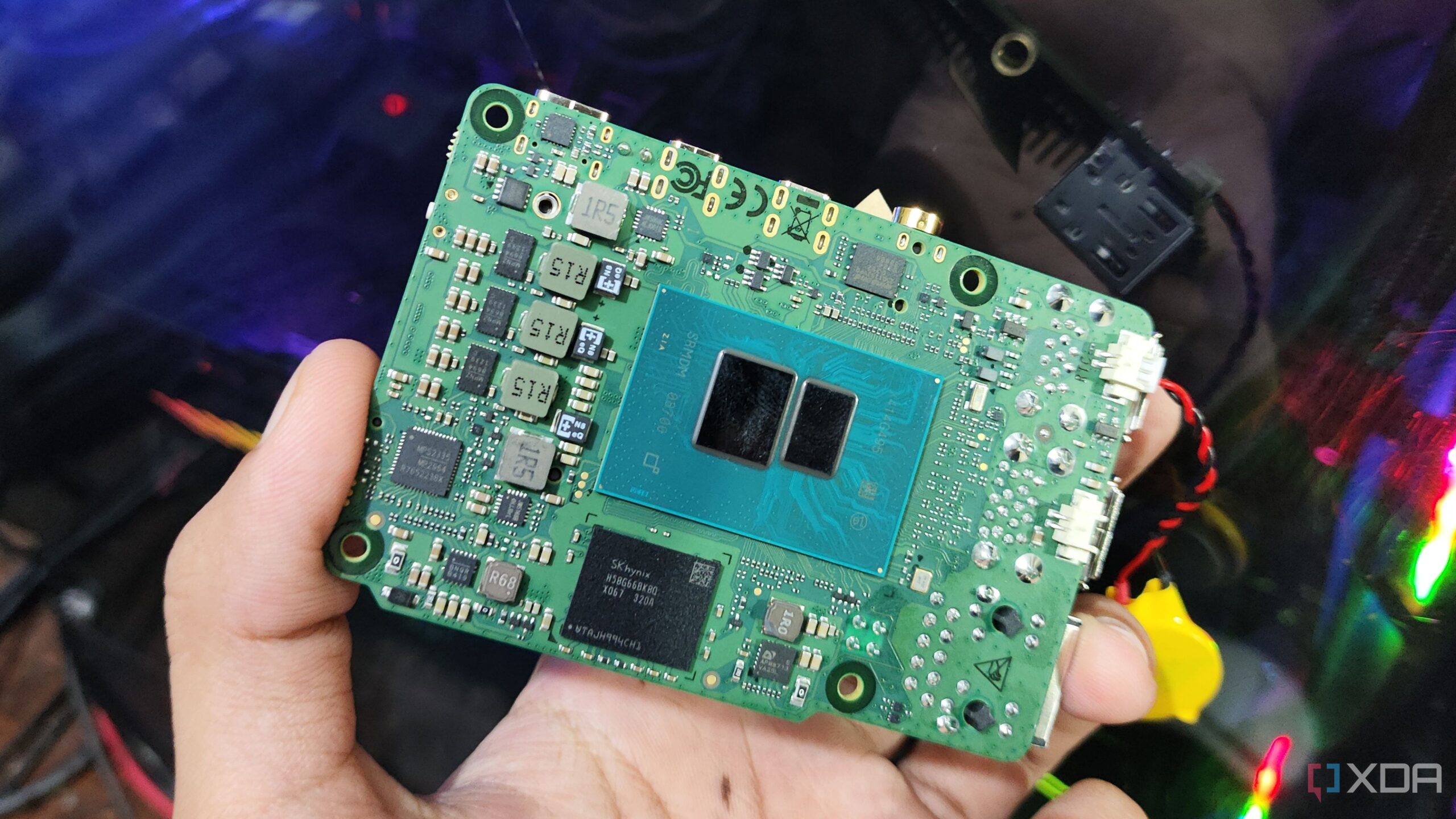
New reports confirm that the Radxa X4, an SBC featuring the Intel N100 quad-core CPU, is revolutionizing budget-friendly server setups. Priced around $88 for the 8GB LPDDR5 version, this compact board offers exceptional performance for running multiple lightweight Linux Containers (LXCs) and virtual machines (VMs).
Why does this matter? With the rising costs of technology, many DIY enthusiasts and small businesses are seeking affordable alternatives for home server solutions. The Radxa X4 not only meets this demand but also enables users to repurpose low-end hardware effectively, making advanced technology accessible to a broader audience.
Just hours ago, the creator of this project shared insights from personal experience, highlighting the efficiency of the Radxa X4 in handling various server workloads. Unlike typical Arm-based SBCs, the x86 architecture of the Radxa X4 eliminates many compatibility issues, making it a preferred choice for those looking to experiment with home server setups.
The cost-effective server can run a range of applications, including a seamless instance of Jellyfin for media streaming and various CLI-based VMs for isolated experiments. While the Intel UHD Graphics on the N100 provide basic transcoding capabilities, enthusiasts are advised against deploying high-demand applications like macOS due to hardware limitations.
What’s next? The creator plans to configure the Radxa X4 to self-host essential utilities for monitoring and management over the weekend, showcasing its versatility. However, while the SBC can function as a secondary node for clusters, its limited port availability restricts its potential for larger-scale deployments.
Key Insights:
– The Radxa X4 can effectively handle around a dozen LXCs, providing a robust environment for small-scale projects.
– Users can expect to run CLI VMs, including Ubuntu Server and Alpine Linux, albeit with cautious RAM management.
– The SBC’s configuration allows for an impressive array of self-hosted services, all while maintaining an unbeatable price point.
This development opens new possibilities for tech enthusiasts and budget-conscious consumers alike. As the DIY tech community grows, more individuals are likely to share their experiences, making this a trending topic in home server setups.
Stay tuned for updates as this story evolves, and consider sharing this innovative solution with fellow tech enthusiasts looking for affordable server options!
























