








































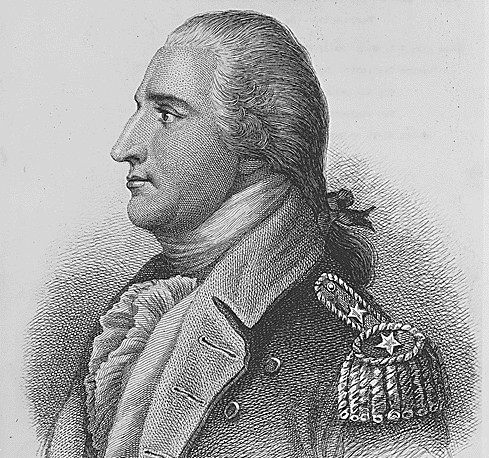
UPDATE: New reports have emerged detailing the historical significance of Colonel Benedict Arnold‘s ill-fated expedition through Maine as he journeyed to Quebec in a pivotal moment of the American Revolution. This expedition, which began on September 15, 1775, involved nearly 1,000 men and a series of stops in Midcoast towns, marking a crucial chapter in U.S. military history.
Arnold was tasked by the Continental Congress to capture Quebec, fearing the British would use it as a staging ground against the colonies. His flotilla, consisting of 11 transport ships, sailed from Newburyport, Massachusetts, and made its first significant stop at Parker’s Head in Phippsburg. Here, local militia Captain Jordan Parker and minister Ezekiel Parson welcomed Arnold, praying for the success of the mission.
As Arnold’s fleet continued northward, they made additional stops in Bath and Georgetown, where notable figures like Captain Samuel McCobb joined the cause. McCobb, a local militia commander, and his men boarded Arnold’s ships, bolstering the expedition’s numbers. However, the journey soon took a dire turn.
By late October, Arnold’s forces encountered significant challenges, including a smallpox epidemic that swept through the ranks, diminishing their strength to just 650 men. Local communities, including Brunswick, stepped in to assist the sick and malnourished soldiers, with residents like Joseph Morse providing shelter and care.
Meanwhile, tensions escalated as a British fleet attacked Falmouth (now Portland) in retaliation for local militia actions, further complicating Arnold’s mission. Despite these setbacks, Arnold pressed on towards Quebec, but by December, his dwindling forces faced a brutal confrontation with British troops.
Arnold, severely injured during the conflict, was ultimately forced to retreat. The expedition, initially filled with hope, ended in disaster, solidifying Arnold’s legacy as a traitor to the American cause. The repercussions of this failed campaign echoed through the colonies, reshaping the narrative of the revolution.
As historians reflect on this chapter, the contributions of Maine’s communities and individuals are being recognized. The tale of Arnold’s expedition is a reminder of the sacrifices made in the quest for independence and the often-overlooked local heroes who played pivotal roles.
NEXT: As interest in this historical event grows, local historians and educators are urging for greater recognition of Maine’s involvement in the revolution. Upcoming lectures and community events aim to shed light on the stories of those who supported Arnold, ensuring their contributions are not forgotten.
Stay tuned for more updates as we continue to explore this fascinating piece of American history and its lasting impact.
























