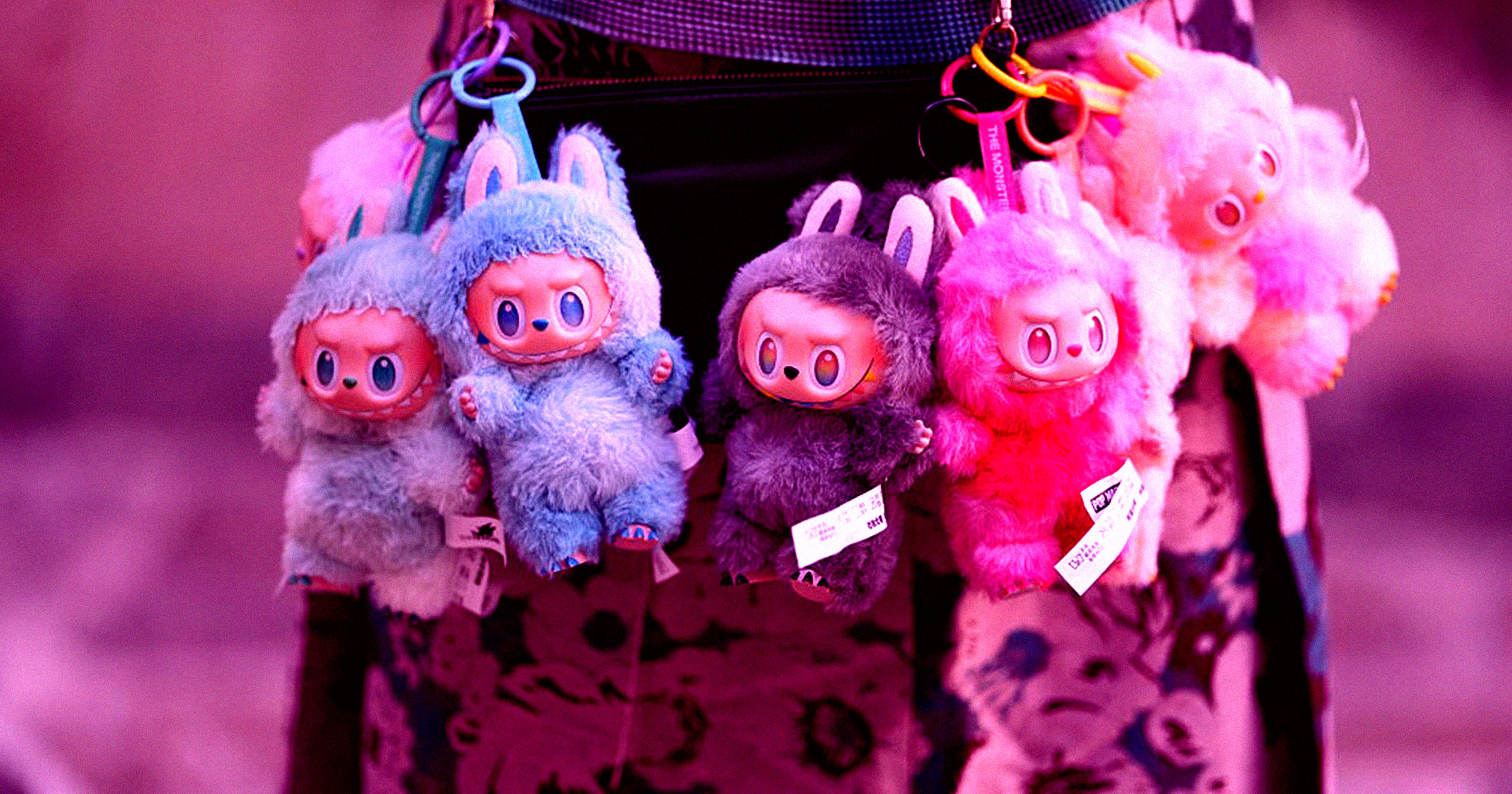
The rise of the plush toy phenomenon, Labubus, has prompted serious allegations regarding labor exploitation. According to a report by the labor rights organization China Labor Watch (CLW), the Chinese manufacturer responsible for the toys, Pop Mart, is accused of employing underage workers in its factory located in Jiangxi province. The organization claims that these 16- and 17-year-olds are deprived of essential labor protections mandated by Chinese law.
CLW’s investigation highlights significant labor rights violations at the factory, which employs over 4,500 workers. The organization asserts that young laborers are not receiving adequate health and safety training. Furthermore, the report details a lack of a labor union or effective grievance mechanisms, alongside troubling reports of bullying, verbal harassment, and unsatisfactory living and dining conditions.
“The underage workers generally did not understand the nature of the contracts they signed, and had no clear concept of their legal status when asked,” CLW stated in a recent press release. The organization is now calling on Shunjia Toys, Pop Mart’s Original Equipment Manufacturer, to take immediate and corrective action. This includes fair compensation for the workers and strict adherence to both Chinese labor laws and internationally recognized labor standards.
The allegations against Chinese manufacturers regarding labor rights are not new. Other companies have similarly faced accusations of employing child labor, while reports of forced labor in the Xinjiang region have garnered widespread attention, particularly affecting the Uyghur and other ethnic minorities.
Despite these serious concerns, Pop Mart’s financial success continues to soar. The company’s revenue from plush products surged by over 1,200 percent last year, with projections indicating that it will achieve its revenue goal of more than $4 billion for 2025. This rapid growth is largely attributed to the escalating demand for Labubus, which has sparked a secondary market reminiscent of the Beanie Baby craze, with some models fetching prices as high as $10,000.
As collectors celebrate their new acquisitions, the darker implications of these allegations should not be overlooked. With the toy industry facing scrutiny over labor practices, the joyful pursuit of plush collectibles now carries significant ethical considerations.
Neither Shunjia Toys nor Pop Mart has responded to requests for comment from The Guardian and the BBC. As investigations continue, the global community watches closely, weighing the balance between consumer enthusiasm and the rights of workers behind these viral toys.