








































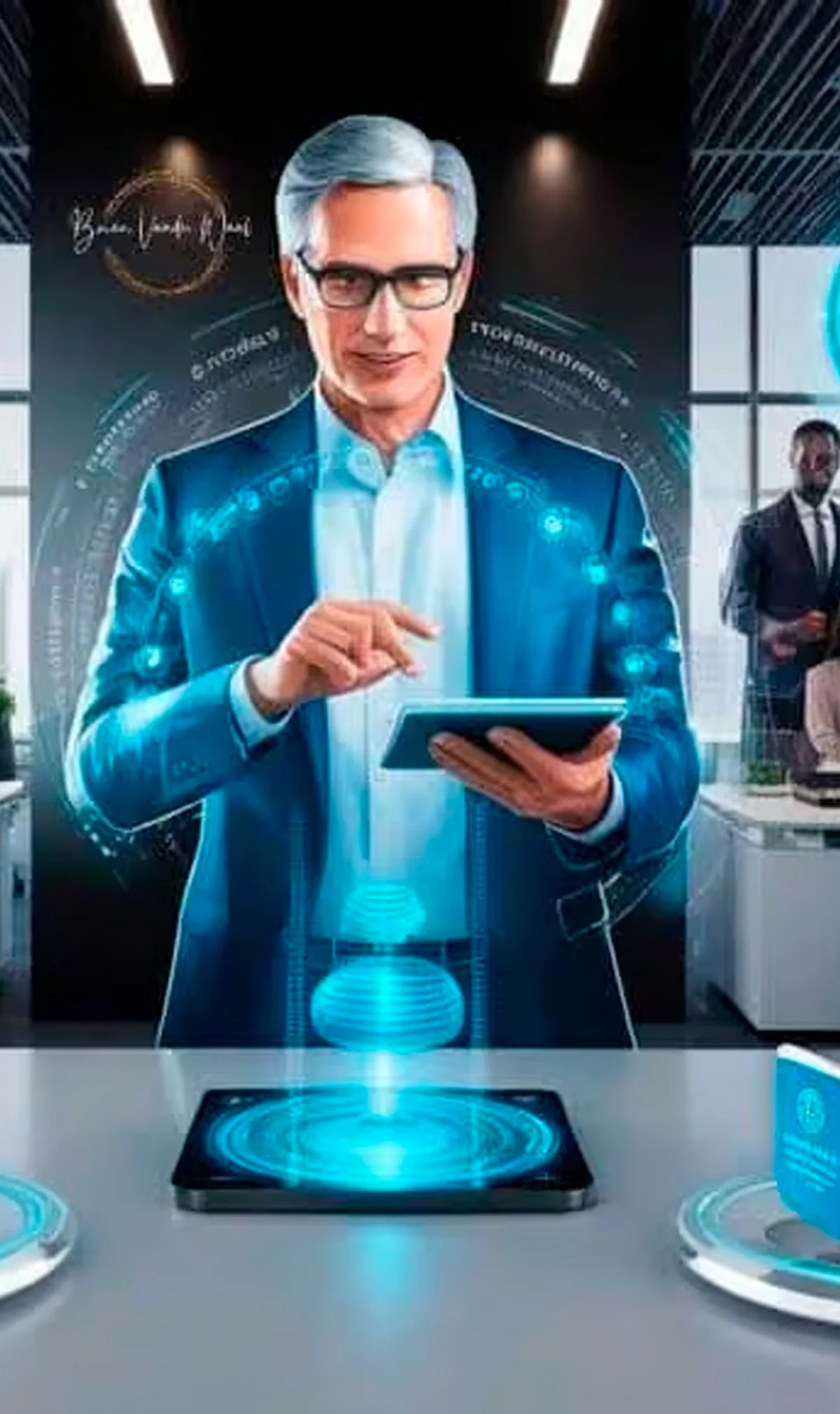
The introduction of AI managers is poised to significantly alter office life by 2026, impacting productivity, performance evaluations, and overall work culture. As companies increasingly adopt artificial intelligence technologies, the role of human managers may evolve dramatically, leading to a workplace that combines human insight with AI efficiency.
Understanding how AI can enhance workplace dynamics is essential for organizations aiming to stay competitive. According to a report from the World Economic Forum, AI managers could streamline daily operations, offering insights based on data analysis that human counterparts may overlook. This shift may lead to improved productivity, as AI systems can assist in task delegation and monitor employee performance in real-time.
Revolutionizing Performance Reviews
One of the critical areas where AI is expected to make a mark is in performance reviews. Traditionally, these evaluations can be subjective, often influenced by personal biases. AI managers, however, can utilize algorithms to provide more objective assessments based on quantitative data. For instance, they may analyze an employee’s output, collaboration metrics, and even emotional intelligence through sentiment analysis.
By 2026, employees might find themselves receiving feedback generated by AI that is specific and actionable. This could lead to a more transparent and fair review process, fostering an environment where employees feel their contributions are recognized based on merit rather than subjective opinions.
Moreover, data-driven performance assessments could also identify areas for improvement, helping teams to focus on skills development. The McKinsey Global Institute estimates that companies leveraging AI for performance evaluations could see a 30% increase in employee engagement levels.
Shaping Daily Work Culture
The integration of AI managers is not just about performance metrics; it will also influence daily work culture. AI systems can facilitate communication, schedule meetings, and coordinate projects, allowing human employees to focus on creative and strategic tasks. This reallocation of responsibilities may lead to a more innovative work environment.
Additionally, AI managers can enhance collaboration among teams by providing insights into team dynamics and suggesting optimal pairings for projects. This could foster a collaborative spirit, breaking down silos that often hinder productivity.
However, the rise of AI managers raises questions about job displacement. Employees may worry about job security as machines take on roles traditionally held by humans. A survey conducted by Gartner in early 2023 found that 58% of employees expressed concern about being replaced by AI technologies. It is crucial for companies to address these fears by emphasizing the supportive role AI can play in enhancing human capabilities rather than replacing them.
As organizations prepare for this shift, training and reskilling programs will be vital. Companies will need to invest in developing their workforce’s ability to work alongside AI systems, ensuring that employees are equipped to thrive in an evolving workplace.
In conclusion, the potential of AI managers to transform office life by 2026 is considerable. With enhanced productivity, more objective performance reviews, and a focus on collaborative work culture, organizations that embrace this technology are likely to find themselves ahead of the curve. Balancing the integration of AI with human insight will be key to achieving a harmonious and efficient workplace.
























