








































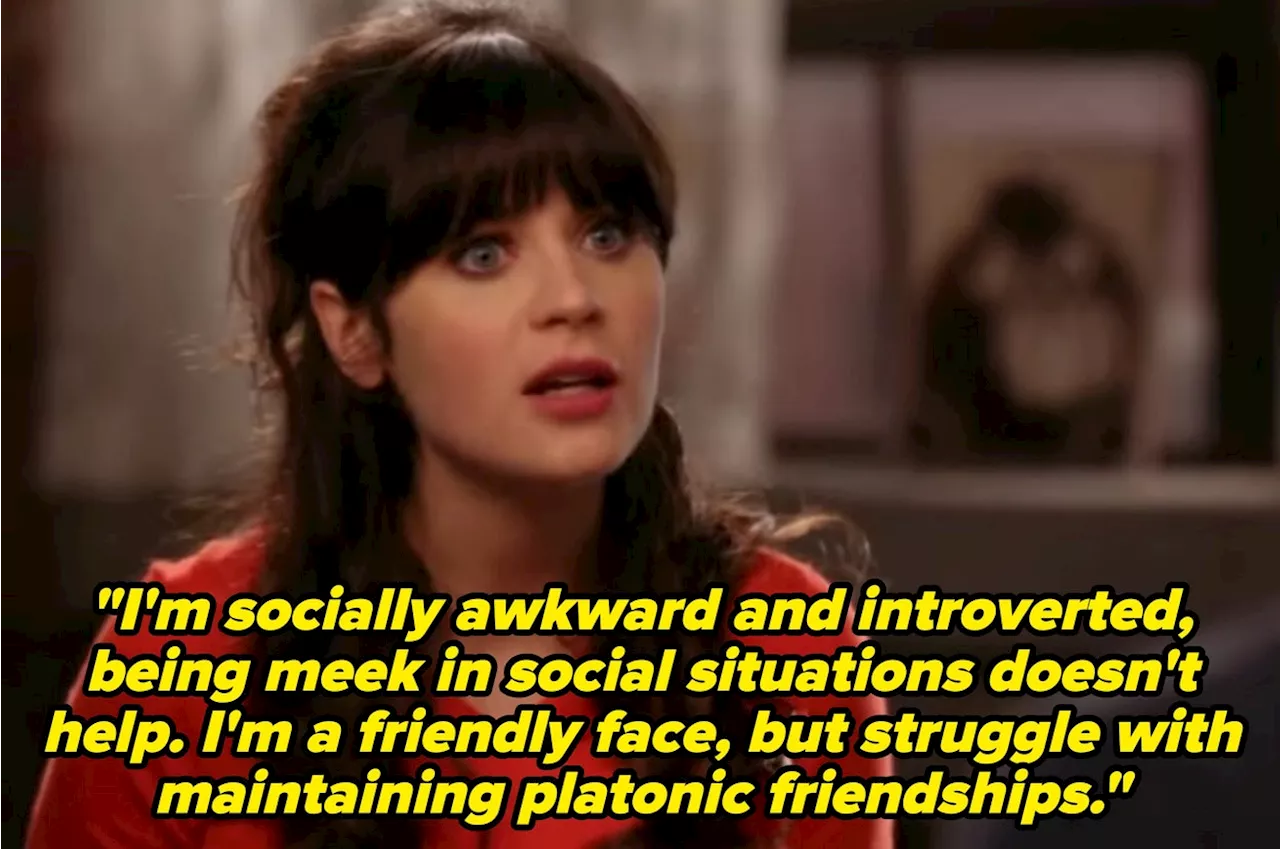
UPDATE: A recent discussion on Reddit has sparked urgent conversations about the loneliness and isolation faced by adults without close friends. Participants shared their emotional struggles, highlighting how adulthood drastically alters social dynamics.
For many, the shift from school to adulthood leads to a stark decrease in social connections. As one user stated, “I moved away after high school and never really kept in touch… Adulthood without close friends is lonely.” This sentiment resonates with countless others who feel the weight of isolation as life takes its toll on friendships.
The stark reality is that maintaining friendships becomes increasingly challenging. “At 36 years old, I’ve had friends through school and jobs, but when those connections fade, so do my relationships,” one participant lamented. This growing trend of adult loneliness reflects a larger societal issue that demands attention.
Many Reddit users recounted their experiences, revealing how work environments complicate friendship dynamics. One individual noted, “Friends at work aren’t really friends… it’s hard to trust people sometimes.” This highlights the struggle of forming genuine connections in competitive settings.
The emotional impact is profound. A user shared, “Major depression and isolation… I effectively pushed everyone out of my life.” Such statements underscore the mental health challenges that accompany social disconnection. The National Alliance on Mental Illness (NAMI) and GoodTherapy.org are key resources for those seeking support.
As adults navigate these complexities, the importance of maintaining relationships cannot be overstated. “Do whatever you can to hold on to those really close friends because they really are invaluable,” one Redditor advised, offering a glimmer of hope amid the struggles.
The conversation continues to gain traction, prompting discussions on how to foster connections in a digital age. As one user concluded, “Your best friend is you.” This notion resonates with many who find solace in self-reliance during times of loneliness.
With these urgent reflections, the dialogue around adult friendships is more critical than ever. As societal norms shift, understanding and addressing the challenges of friendship in adulthood becomes essential. For those feeling isolated, reaching out to mental health resources can provide crucial support.
For additional help, individuals can contact the National Alliance on Mental Illness helpline at 1-800-950-6264.
As this conversation evolves, it serves as a reminder that the struggle for meaningful connections is a shared human experience.
























