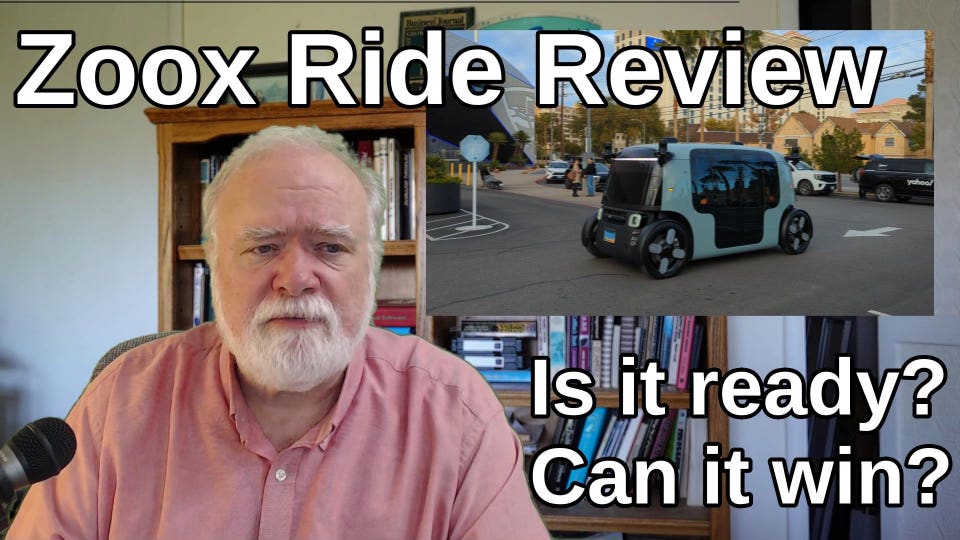
At the recent CES show in Las Vegas, attendees witnessed the debut of the Zoox Robotaxi, a vehicle designed with a unique symmetrical architecture. Unlike its competitors, such as Waymo and Tesla, which modify existing cars for autonomous driving, Zoox has taken an innovative approach by building its vehicle from the ground up. This design philosophy aims to redefine the concept of a robotaxi, focusing on functionality tailored specifically for autonomous transport.
The opportunity to experience the Zoox firsthand highlighted both its potential and its shortcomings. The vehicle, which operates within a limited network in Las Vegas, is currently functional across eight specified locations. In contrast, Zoox’s service in San Francisco showcases a broader scope, allowing for more flexible routes. While the vehicle’s sleek and comfortable design drew praise, issues during the ride raised concerns about its operational reliability.
Passengers noted that the low roof could pose challenges, particularly for those with mobility issues. Additionally, the vehicle’s lack of a traditional windshield offers a restricted view, which might detract from the overall experience. The seating arrangement, where passengers face each other, encourages social interaction but may not be suitable for everyone.
One of the most significant moments during the ride was the occurrence of “phantom braking,” a phenomenon where the vehicle abruptly stops without an apparent reason. This incident happened as the Zoox approached a turn onto Las Vegas Boulevard. According to the system, it reacted to an unseen obstacle, potentially a school bus, which raised questions about the vehicle’s sensitivity settings. While safety is paramount, excessive caution could lead to discomfort for passengers and create hazards for vehicles behind it.
While Zoox is still in its early stages, the company has invested heavily in developing its unique design. With Tim Kentley-Klay, the founder, emphasizing redundancy in the vehicle’s systems, Zoox aims to mitigate the risks associated with individual component failures. This focus on safety is crucial, as the company looks to establish itself in a competitive landscape where other firms, like Waymo and Cruise, are also vying for market share.
Zoox’s approach to vehicle symmetry allows for certain advantages, such as the ability to change direction without needing to turn around. This feature could enhance passenger pick-up efficiency. However, the practical benefits of this design remain to be fully realized, especially as the market for autonomous vehicles continues to evolve.
The future of Zoox is closely tied to its acquisition by Amazon, which provides the necessary financial backing to expand its capabilities. This partnership could facilitate broader deployment and enhance its service offerings. Nonetheless, questions linger about the timing of the rollout and whether the market is ready for such a specialized robotaxi.
As Zoox continues to refine its technology and address operational challenges, the industry will be watching closely. The fight for dominance in the robotaxi market is just beginning, and while Zoox has made significant strides, it remains to be seen if its innovative design will translate into a competitive advantage. The potential for growth exists, but the journey will require overcoming the hurdles encountered during its initial testing phases.