








































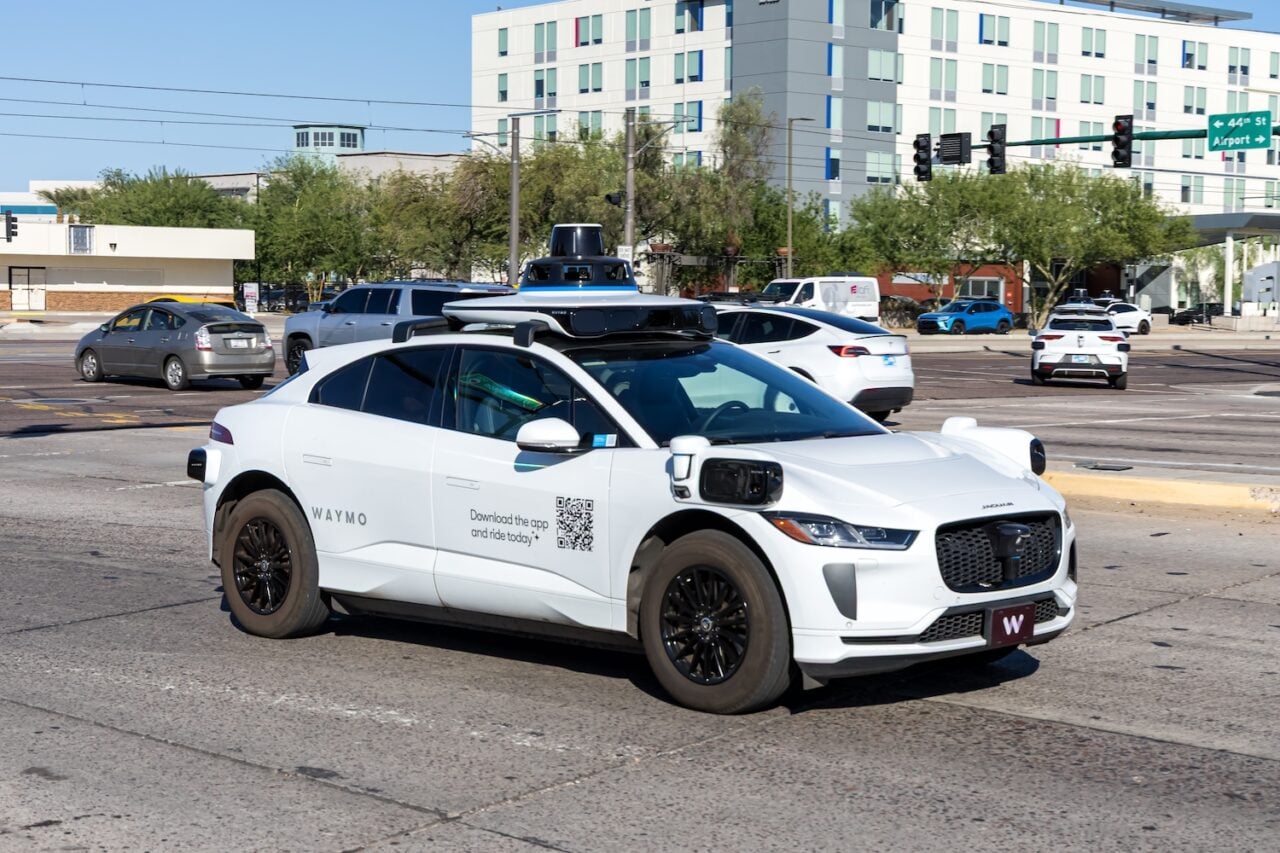
Waymo, the self-driving car division of Alphabet Inc., has inadvertently sparked a new gig economy by offering up to $22 for workers to close its robotaxi doors. This unexpected development highlights the complexities surrounding automation and the human roles still necessary to support it.
In a 2016 press release, then-CEO John Krafcik envisioned self-driving technology as a catalyst for innovative jobs and services. Nearly a decade later, while Waymo’s vehicles are indeed operational, they have not generated the driving jobs initially anticipated. Instead, they have created a scenario where individuals like tow truck operators are being paid to assist with tasks that automated systems struggle to handle.
A recent report by the Washington Post emphasizes this shift, detailing how workers utilize an app called Honk to receive compensation for closing Waymo vehicle doors. Evangelica Cuevas, a tow company owner, described the disheartening nature of the current gig: her drivers are compensated $22 to $24 for closing doors and between $60 to $80 for towing vehicles that may have run out of battery while searching for a charging station.
The Human Element in Automation
This situation reflects the broader implications of automation technology. According to Georgios Petropoulos, a data scientist at the University of Southern California, the need for human intervention in automated systems is essential to ensure efficient and safe service delivery. Petropoulos remarked, “Humans are needed to interact with automated systems to make sure that service is provided in an efficient and safe way.”
The gigs undertaken by workers like those associated with Cuevas’ company in Los Angeles illustrate how advancements in automation can lead to new forms of employment. As Lisa Bonos from the Washington Post noted, the activities of closing doors and towing vehicles are clear examples of how automation may create jobs that fill the gaps left by its shortcomings.
This evolving landscape prompts deeper questions about the future of work. While automation promises efficiency, it also reveals a dependency on human labor for tasks that machines cannot yet fully accomplish. The emergence of these new roles, characterized by low wages and precarious conditions, paints a concerning picture for the workforce as technology continues to advance.
As Waymo continues to develop its self-driving technology, the need for human involvement raises important considerations about the balance between automation and employment. The current situation underscores the reality that while technology may evolve, it often requires human support to function effectively. Ultimately, this dynamic could redefine the nature of work in an increasingly automated world.
























