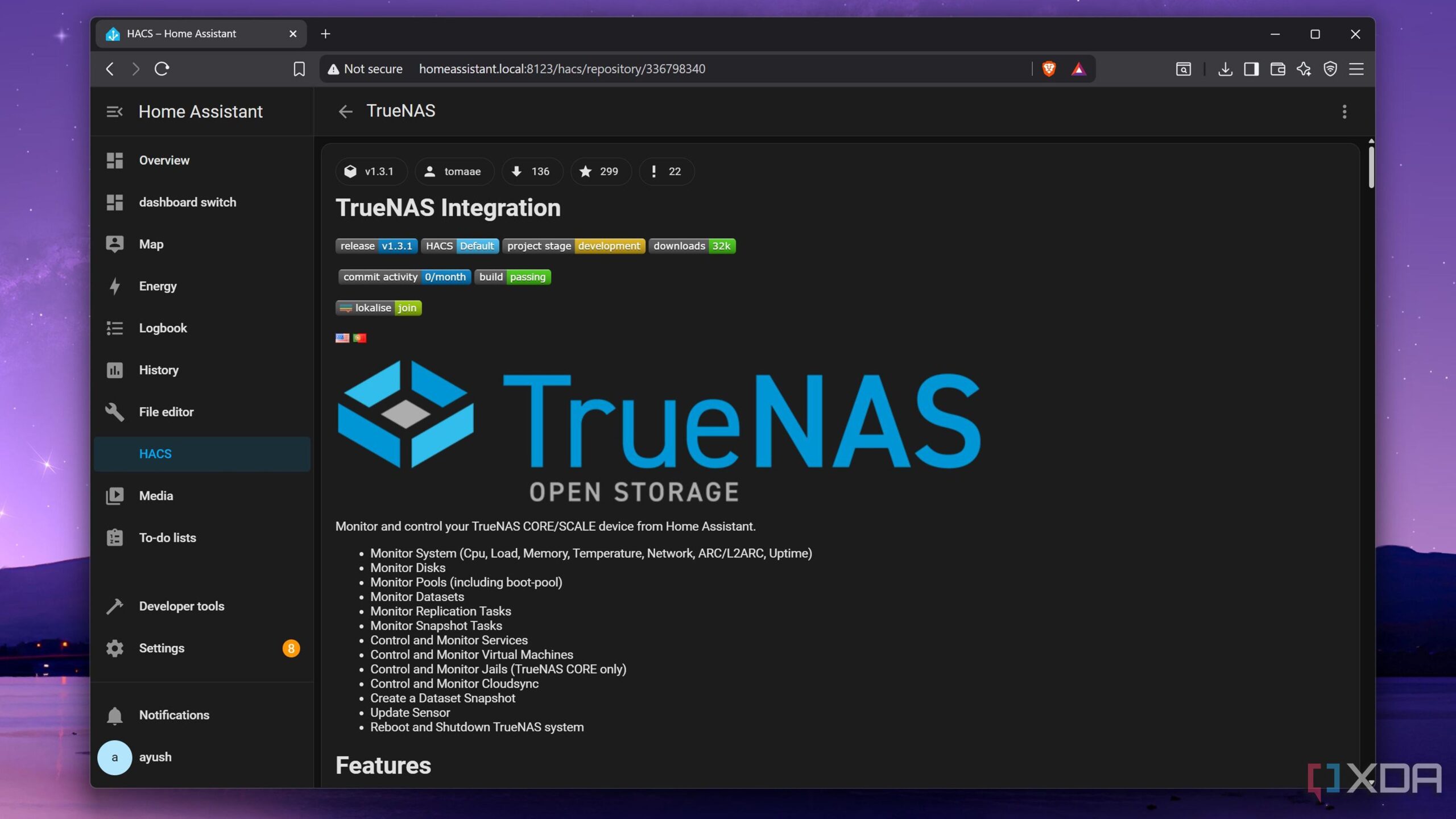
TrueNAS, a long-standing free network-attached storage (NAS) solution, is no longer the default recommendation for many users. Once the preferred choice for those seeking robust server capabilities without incurring costs, its position has been challenged by the evolving needs of home server users. While TrueNAS still excels in certain areas, recent developments suggest that it may not meet the diverse demands of today’s NAS users.
The core strength of TrueNAS lies in its implementation of the ZFS file system, known for its emphasis on data integrity and resilience. When configured correctly, TrueNAS offers features such as snapshots and replication, providing a reliable storage solution. However, the platform’s interface is designed for those who want to manage their storage meticulously, rather than for beginners seeking a more straightforward setup. Users are required to navigate through pools, datasets, and permissions, which may not align with the expectations of casual users.
Adapting to User Needs
In the current landscape, home users are not merely looking for a file server. They expect their NAS to support multiple tasks, including running applications like Plex or Jellyfin, and serving as a self-hosted alternative to cloud storage. TrueNAS SCALE has introduced an app ecosystem, allowing for containerized workloads to run on the same platform. While it presents a unified approach to storage and application management, the user experience often prioritizes data storage over app functionality. Compared to platforms that emphasize application-first designs, TrueNAS may feel less intuitive.
The architecture required by ZFS also presents challenges. Users must consider their setup’s layout and redundancy before creating storage pools. Although recent updates have improved the flexibility of RAIDZ expansions, adjusting the configuration often requires careful planning. This rigidity, while beneficial for maintaining data integrity, can deter users looking for a more adaptable system. Many home users start with a limited number of drives and prefer the flexibility to expand as their needs grow.
Emerging Competitors
TrueNAS previously stood out as a clear leader among free NAS options, but the competitive landscape is changing. Alternatives such as Unraid and OpenMediaVault have gained popularity, offering flexible solutions that cater to modern user preferences. Unraid, despite being a paid service, has refined its mixed-drive approach and boasts a strong application ecosystem. OpenMediaVault has also enhanced its usability, especially when integrated with Docker, making it a more accessible choice for those new to NAS systems.
While TrueNAS maintains superior integrity with its ZFS implementation, these competing platforms have evolved sufficiently to provide viable alternatives. The shift in the home server market reflects a broader understanding of user needs, prompting a more nuanced recommendation process. Today, potential users may need to clearly articulate their specific requirements before determining whether TrueNAS is the best fit for their needs.
In conclusion, TrueNAS remains a powerful and free option for many users, particularly those prioritizing data integrity. Yet, the increasing sophistication of alternative NAS solutions means that the recommendation for TrueNAS is no longer a straightforward choice. As the home server landscape continues to evolve, users must consider their unique needs and the capabilities of various platforms before making a decision.