








































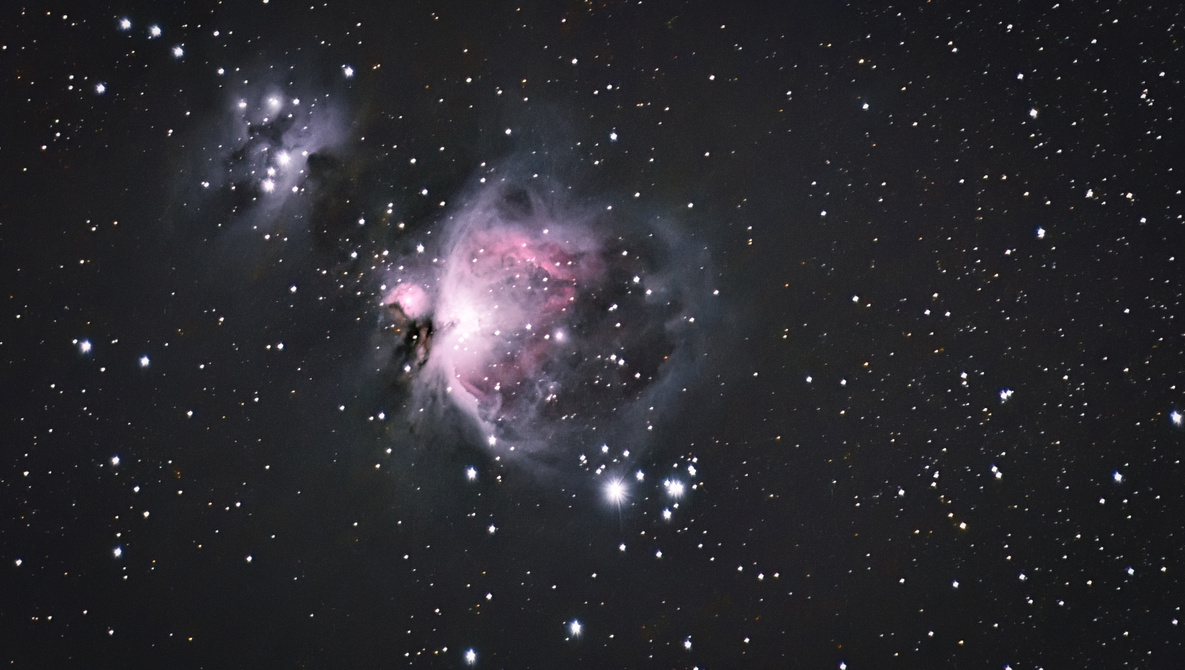
Astrophotography, while a captivating pursuit, often comes with significant financial burdens. Costs associated with specialized equipment can escalate quickly, making it a challenging hobby for many. To help enthusiasts navigate this expensive landscape, experts suggest several strategies for reducing costs without sacrificing quality.
Understanding the Costs of Astrophotography
Investing in astrophotography typically requires a robust setup, including a telescope, a cooled astro camera, and high-quality mounts capable of supporting these substantial payloads. The expenses do not stop there; photographers often need advanced post-processing software like PixInsight to refine their images. Furthermore, transporting these intricate systems can lead to additional costs, prompting many to reconsider their investment strategies.
One of the most debated topics among astrophotographers is whether to modify their cameras by removing the stock infrared (IR) filter. While this modification can enhance sensitivity to deep-red hydrogen-alpha (Hα) light, many modern DSLR and mirrorless cameras already possess adequate Hα sensitivity for general astrophotography. The real challenge often lies in image processing, where improper techniques can diminish the visibility of desired colors in the final product.
Cost-Effective Alternatives for Capturing the Night Sky
For those hesitant to invest heavily in equipment, there are alternatives that can provide access to the stars without the hefty price tag. Renting time on remote telescopes is gaining popularity, particularly in regions known for their dark skies, such as Chile and parts of the United States. This approach allows aspiring astrophotographers to capture deep-sky objects without the need for ownership or maintenance.
Platforms like iTelescope.net facilitate this process, enabling users to schedule imaging sessions with remote-controlled telescopes located in the US, Spain, and Australia. Participants can select their targets, adjust exposure settings, and download their data after the sessions, making it an efficient and cost-effective option for serious hobbyists.
In addition, observatories in Texas offer opportunities to either host personal telescopes remotely or utilize their existing setups. This flexibility allows users to tap into high-quality equipment while avoiding the logistical challenges of transporting their gear.
For those who prefer a more hands-on approach, it is still possible to pursue astrophotography without investing in a full telescope setup. A simple yet effective method involves mounting a DSLR on a star tracker, which compensates for Earth’s rotation. This setup allows for longer exposures without star trails, enhancing the quality of deep-sky images. It is an ideal entry point for beginners, as the equipment is portable and less expensive.
Astrophotography may be a costly hobby, but enthusiasts can still derive immense satisfaction from their experiences. The joy of capturing celestial wonders stems from curiosity and patience, not necessarily from expensive gear. By starting with simpler setups and gradually investing in more advanced equipment as skills develop, photographers can enjoy this rewarding field without overwhelming financial pressure.
Prashant Naik, an award-winning astrophotographer and landscape artist, demonstrates this ethos through his work. His pieces, featuring images captured with minimal equipment, highlight that impressive results can be achieved without extensive financial commitments. Naik’s images have been featured in prominent publications such as The Guardian and BBC Sky at Night, showcasing the potential for success in this field.
In conclusion, while astrophotography can indeed require a financial investment, there are effective strategies to mitigate costs. By focusing on technique, utilizing remote resources, and starting with simpler setups, enthusiasts can explore the beauty of the night sky without emptying their wallets.
























