








































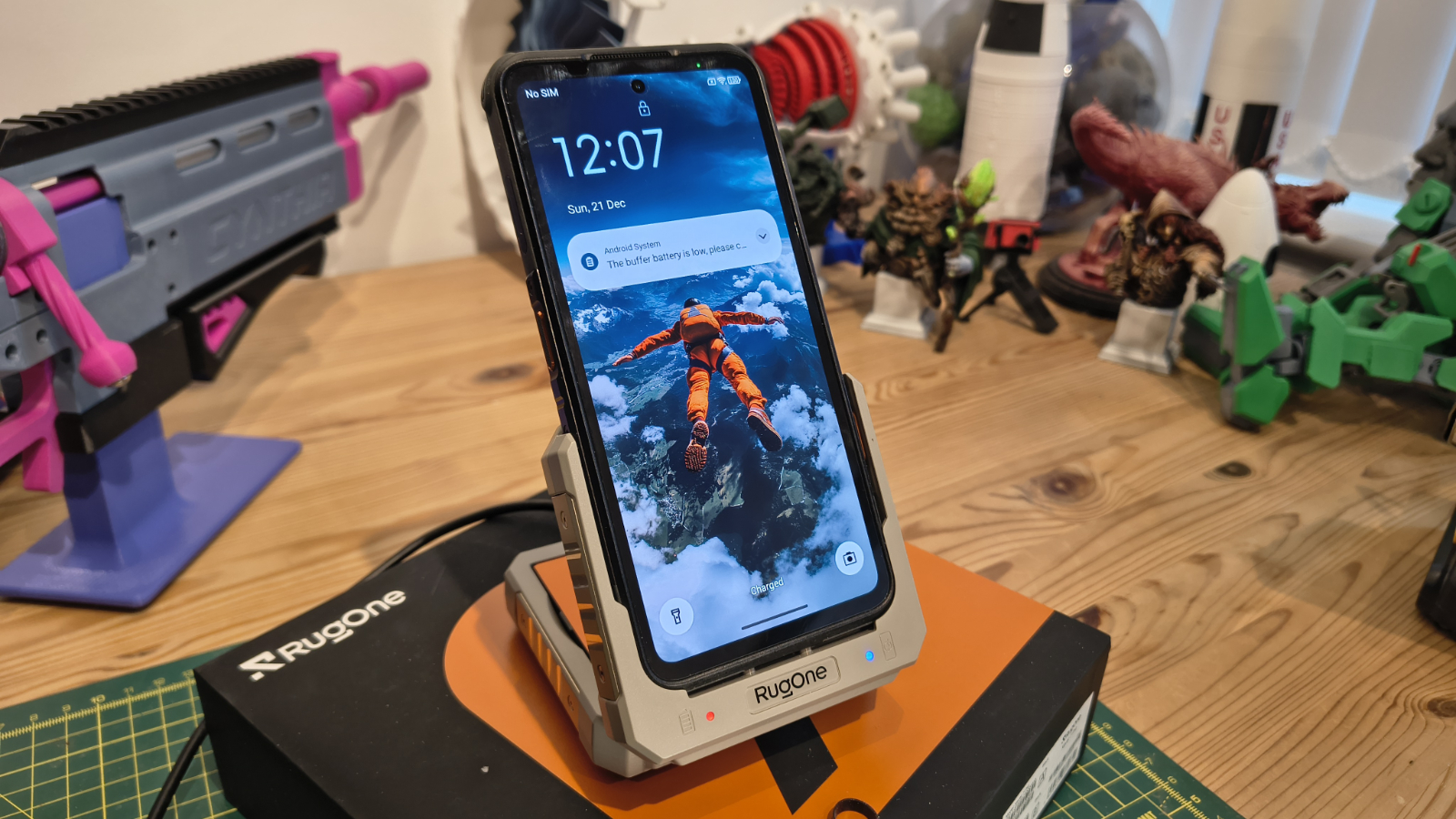
The RugOne Xever 7 Pro is a rugged smartphone that combines a lightweight design with a removable battery, aiming to appeal to professionals in demanding environments. While it features a robust build and innovative battery technology, its performance is hindered by an outdated processor, impacting its overall value.
Innovative Features and Design
RugOne, a division of Ulefone, targets a more premium market with its Xever series, specifically designed for business users. The Xever 7 Pro and its sibling, the Xever 7, showcase a new generation of rugged phones that focus on durability without excessive weight. A standout feature is the hot-swappable battery. This 5550 mAh battery can be easily replaced, allowing users to extend the phone’s operating time significantly, making it practical for long hours in the field.
In addition to its unique battery feature, the Xever 7 Pro includes a FLIR thermal camera, catering to professionals in fields such as HVAC and automotive repair. However, two notable drawbacks are apparent: the processor and graphics performance do not match those of other premium smartphones, and the pricing could deter potential buyers.
The device is priced at approximately $723.99 in the United States and £685.79 in the UK, which raises questions about its competitiveness against established brands. For example, the Samsung Galaxy XCover 7 Pro offers a more affordable alternative with similar removable battery functionality.
Specifications and Performance Analysis
The RugOne Xever 7 Pro is powered by the MediaTek Dimensity 7025 chip, which is considered outdated for a device aimed at power users. With 12GB of RAM and 512GB of storage, it provides ample memory for most applications. The 6.67-inch OLED display offers a resolution of 1080 x 2400, enhancing the viewing experience.
Despite these appealing specifications, the IMG BXM-8-256 GPU falls short in performance compared to contemporary graphics processors. Benchmarks indicate that the Xever 7 Pro struggles with demanding applications, particularly in gaming and augmented reality scenarios.
While the battery life initially appears robust, with a single battery offering nearly 18 hours of use, the overall efficiency diminishes when considering the weight of the device and the need for a second battery. In contrast, similar models with more advanced processors, such as the AGM G3 Pro, provide better longevity and performance for a comparable price.
Camera Capabilities
Equipped with a versatile camera system, the Xever 7 Pro features a 50MP main camera, a 64MP night vision camera, and the aforementioned thermal sensor. The front camera boasts a 32MP sensor for high-quality selfies. While the imaging capabilities are commendable, the absence of optical zoom and limitations on video recording—capped at 1080p—may disappoint photography enthusiasts.
The camera interface includes various modes, but the lack of optical stabilization and the reliance on a single primary sensor for most imaging tasks limit its effectiveness. Overall, the camera system is better than expected for a rugged phone, though it doesn’t compete with higher-end devices.
Final Verdict and Recommendations
In summary, the RugOne Xever 7 Pro offers a compelling rugged phone design with innovative features, including a hot-swappable battery and a thermal camera. However, its performance is undermined by an outdated processor and a high price point, making it less appealing compared to alternatives like the Samsung Galaxy XCover 7 Pro or other rugged phones in the market.
Prospective buyers should weigh their options carefully. The Xever 7 Pro is ideal for outdoor professionals needing a durable device but may not satisfy those seeking high-performance graphics or advanced camera features. For users who prioritize ruggedness and battery flexibility, it remains a viable choice, albeit at a premium price.
























