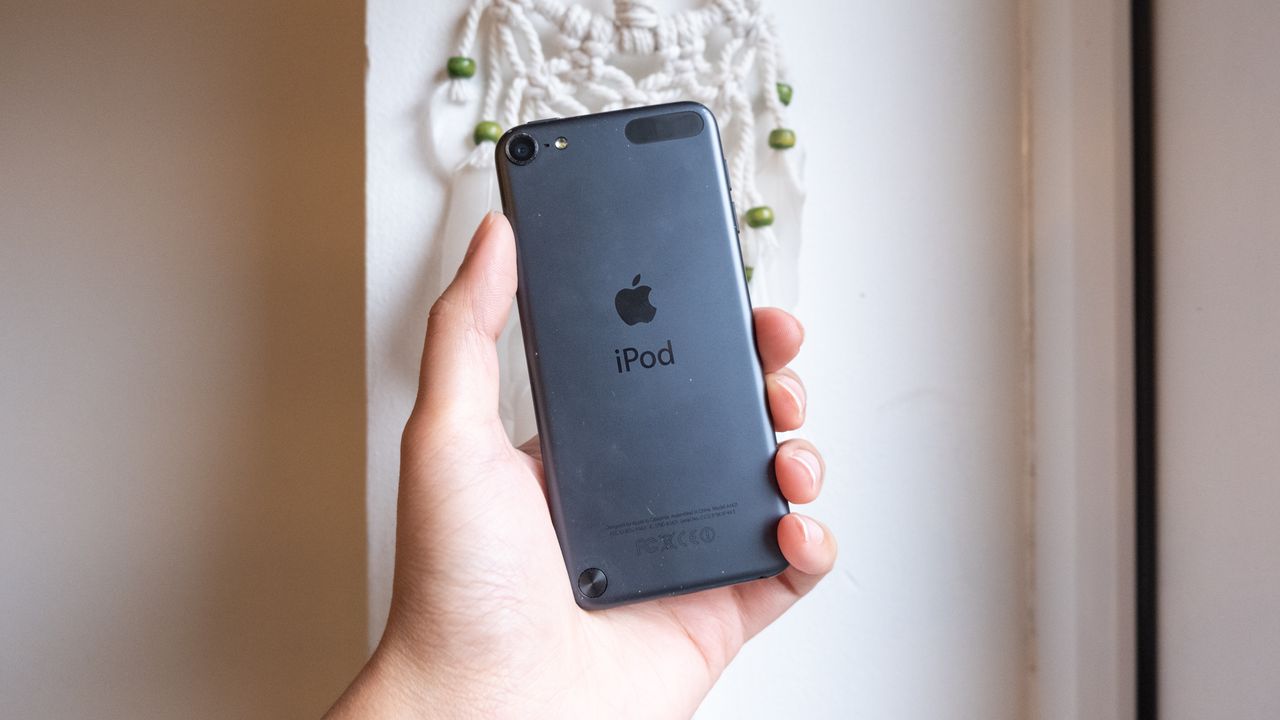
In a personal experiment, a music enthusiast decided to abandon their smartphone for a week, opting instead to use a decade-old iPod Touch to listen to music. This nostalgic journey not only revived cherished memories but also highlighted the benefits of simplified music consumption in an age dominated by multitasking and distraction.
The resurgence of retro audio technology has gained momentum in recent years, with brands like We Are Rewind bringing back cassette players and other vintage devices. For many, including the author, MP3 players like the iPod have been a significant part of their musical upbringing. The early days were filled with the joy of a Sony Discman and a series of iPods, culminating in the last model owned, the iPod Touch 6th Generation.
Upon returning to India and rediscovering their old iPod Touch, the author felt a wave of nostalgia. Memories flooded back, including the struggles of replacing broken Lightning cables and the satisfying click of the home button. Revisiting their music library revealed not just past favorites like Linkin Park and Pink Floyd, but also unexpected finds, such as tracks from Taylor Swift, reminding the author of shared music experiences during boarding school.
In March 2022, Apple officially ceased production and support for the iPod Touch, marking the end of an era for a device that once revolutionized how people accessed music. While new iPods are no longer available, refurbished models can still be found, offering users a chance to own a piece of music history.
The decision to use the iPod Touch instead of a smartphone stemmed from frustrations with constant distractions. The author, accustomed to streaming services like Spotify, found that the allure of social media often disrupted the listening experience. By using the iPod Touch, which lacks internet access and social media apps, they discovered a renewed ability to focus on the music itself.
With limited storage of 64GB, choosing which tracks to include on the iPod required reflection. This restriction led to a more intentional listening experience, where the author appreciated the music curated on the device. They employed various methods to transfer songs, including converting YouTube links to MP3 files, which fostered a greater sense of ownership over the music.
Despite the joys of using the iPod Touch, there are undeniable challenges. The aging hardware and absence of software updates pose security risks, as the device remains stuck on iOS 9.3.5. Concerns about potential hacking and data theft linger, particularly given the device’s ability to connect to Wi-Fi. Additionally, the battery life has diminished significantly over the years, now lasting only a few hours, which can hinder the experience.
Looking ahead, the author acknowledges the uncertain future of their iPod Touch, which has endured the test of time despite its visible wear and tear. Yet, the device serves as a metaphor for personal growth and a reminder of simpler days filled with music appreciation. The experience of stepping away from smartphone distractions has proven to be rewarding, allowing for a deeper connection to the music that shaped their youth.
As the music landscape continues to evolve, the nostalgia for older devices like the iPod Touch remains alive, offering a unique perspective on how technology and music intersect in our lives.