








































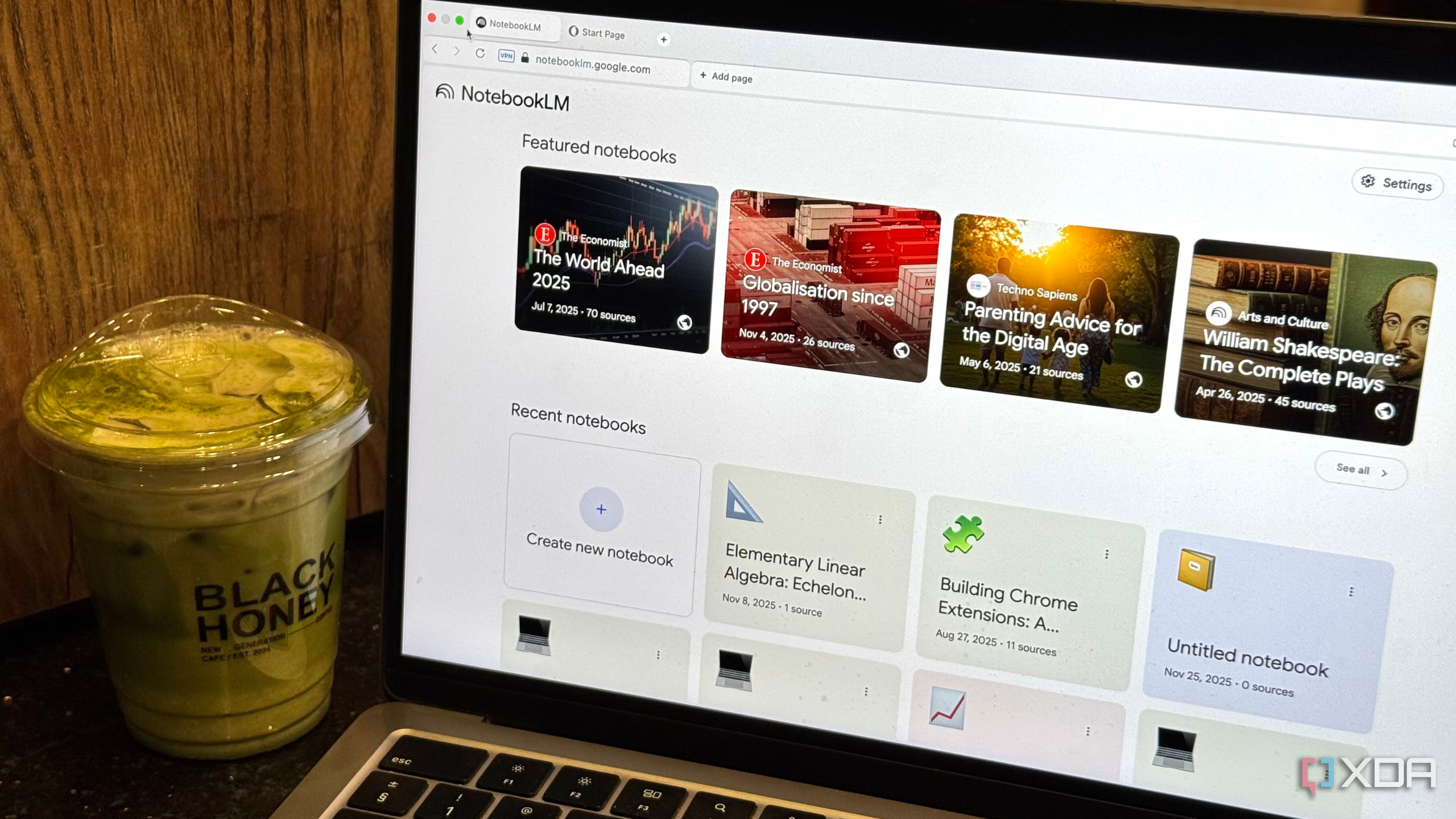
NotebookLM has emerged as a significant tool in the productivity landscape, praised for its versatility in various tasks, yet it falls short as a personal knowledge management (PKM) system. Users have found it effective for organizing information and enhancing project workflows, but it does not fulfill the role of a dependable long-term knowledge repository.
Many individuals have integrated NotebookLM into their productivity stacks, using it for tasks ranging from studying for exams to learning new skills like programming and baking. In comparison to other applications, NotebookLM has successfully replaced calendar scheduling and finance tracking tools for numerous users. However, the expectations surrounding its capabilities as a knowledge base have not been met.
Limitations in Knowledge Management
While some users have turned to NotebookLM as a substitute for established PKM systems such as Notion and Obsidian, it lacks the features necessary for comprehensive knowledge accumulation. PKM systems are specifically designed to manage interconnected documents and facilitate long-term organization. NotebookLM offers impressive features, including a Mind Map tool and the ability to extract insights from uploaded documents. Yet, each notebook functions independently, preventing the accumulation of knowledge across different notebooks.
This independence means that users cannot easily connect ideas across various domains without significant manual effort. The absence of a persistent structure means that knowledge does not accumulate over time. Users must keep all relevant documents within a single notebook to explore connections, limiting the tool’s effectiveness as a long-term knowledge base.
Project-Based Efficiency
Despite its shortcomings as a PKM, NotebookLM excels in project-based scenarios. It is particularly useful for users who need to manage a defined set of documents within a specific timeframe. For instance, when creating a marketing report that requires referencing over fifty documents, NotebookLM can streamline the process. Users can upload their documents and quickly identify connections, significantly reducing the time required for analysis.
Once the project concludes, however, the utility of the notebook diminishes. The insights gained do not persist beyond the project, making it difficult to transfer valuable information to future workflows. While it processes information efficiently, its limitations in long-term storage and retrieval are evident.
Not a Note-Taking Replacement
NotebookLM is also not designed as a primary note-taking application. Traditional PKMs offer rich text editing environments that facilitate writing and reflecting, whereas NotebookLM focuses on processing updated information. Although it provides a basic Notes feature, it cannot replace dedicated note-taking tools that offer more extensive formatting and editing options.
For users seeking a comprehensive PKM experience, combining NotebookLM with a traditional system proves to be more effective. For example, individuals using Notion can leverage its web clipper extension to gather relevant pages for analysis in NotebookLM. This dual approach allows users to maintain a long-term repository of notes within Notion while utilizing NotebookLM’s strengths in project-based tasks.
Ultimately, NotebookLM serves as an AI-powered research assistant, designed to simplify interactions with personal resources. It is not intended to replace PKM systems, and users should adjust their expectations accordingly. By understanding its limitations and strengths, users can effectively integrate NotebookLM into their productivity workflows.
























