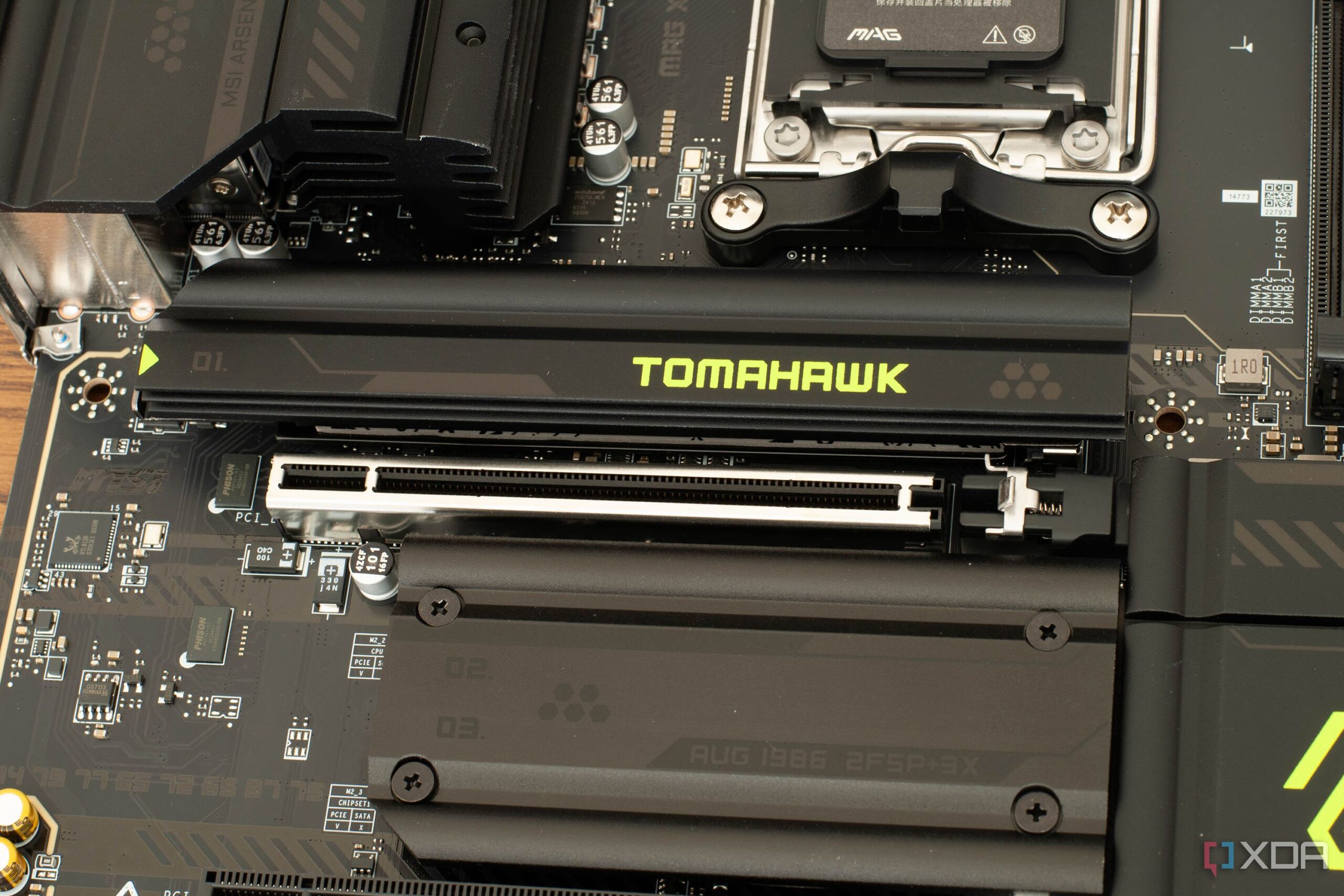
The evolution of computer processors has reached a point where the advancements in CPU technology have slowed significantly. Recent trends indicate that users are now focusing more on the capabilities and features of motherboards rather than solely on the performance of new CPUs. The shift in emphasis is largely due to minimal performance gains in newer generations of processors, which have led to a greater reliance on motherboard components for achieving optimal system performance.
CPU Performance Gains Are Minimal
In the past, upgrading to a new CPU often resulted in substantial improvements in instructions per clock (IPC), core counts, and clock speeds. However, this trend has changed. Modern CPUs are experiencing incremental gains in efficiency rather than the dramatic performance enhancements seen in previous generations. The performance gap between older and newer processors is narrowing, making the characteristics of the motherboard increasingly important.
For instance, CPUs like AMD’s Ryzen 9000 and Intel’s Arrow Lake have not lived up to the expectations of significant improvements. In many cases, users have found that these new chips do not perform better than their predecessors in real-world applications, particularly in gaming. This reality has led many to hold onto their existing CPUs longer, as a five-year-old processor is not as outdated as it once was.
The Role of Motherboards in Performance
Motherboards now play a pivotal role in maximizing CPU performance. One of the critical components of a motherboard is the Voltage Regulator Module (VRM), which consists of various parts that manage the power supply to the CPU. A high-quality VRM ensures efficient power delivery, which is essential for maintaining optimal performance, especially when overclocking. The design and capability of the VRM can significantly affect how well a CPU performs, as subpar designs may hinder a processor from reaching its maximum potential.
Power limits defined in a motherboard’s firmware also influence CPU performance. PL1 and PL2 settings dictate how much power a CPU can draw under different workloads. The ability to adjust these limits varies across different motherboards, meaning that higher-end models typically allow for more customization and improved performance.
Additionally, the number of M.2 slots and the configuration of PCIe lanes are crucial when selecting a motherboard. While many users may only require a single M.2 slot initially, future upgrades often necessitate additional slots. Motherboards in the price range of $200–$250 usually offer enough connectivity for most users, but power users may require advanced configurations that allow for multiple NVMe SSDs.
PCIe lane sharing is another consideration, as the distribution of lanes between components like the GPU and NVMe SSDs can impact performance. A motherboard that allows for optimal lane distribution is essential for enthusiasts who want to maximize their system’s capabilities.
The importance of I/O options cannot be overstated. Advanced users benefit from motherboards with numerous fast USB ports, multi-gig Ethernet, and the latest Wi-Fi standards. Features such as Thunderbolt 4 and USB 3.2 Gen 2×2 ports offer significant speed advantages for high-performance setups.
Finally, the longevity of a motherboard is closely tied to its socket compatibility. For instance, AMD’s AM4 and AM5 sockets have allowed users to upgrade CPUs without replacing their motherboard. In contrast, Intel has introduced new sockets with its latest generations, potentially limiting upgrade options for users.
As CPU performance gains continue to plateau, the focus on motherboard quality and features becomes paramount for users looking to enhance their computing experience. The ability to select a motherboard that supports advanced power delivery, ample connectivity, and long-term socket compatibility is crucial for maximizing the value of both current and future CPU investments. When making a choice, users should carefully consider these aspects to ensure their system remains capable and relevant for years to come.