








































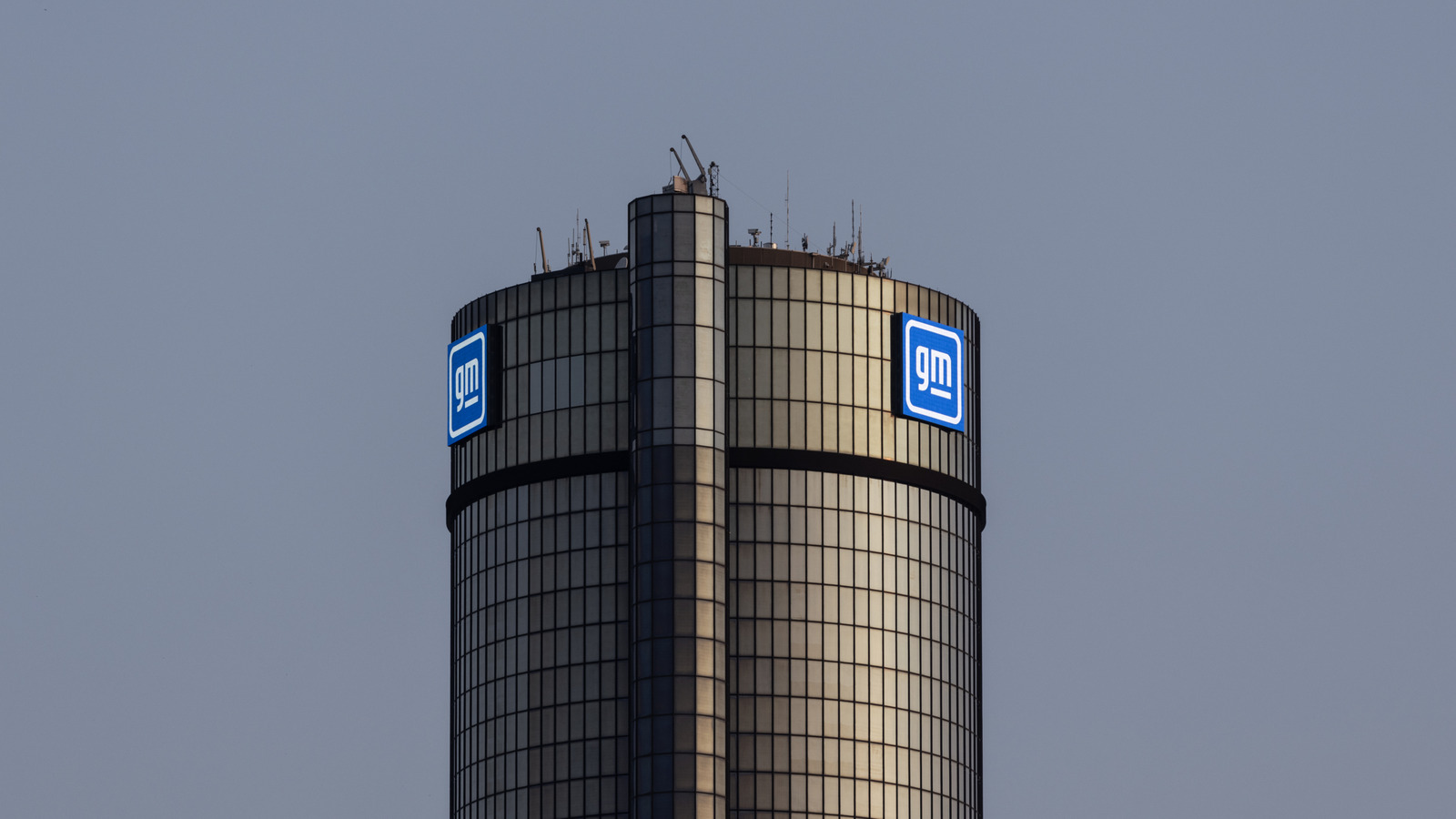
General Motors (GM), once a titan of the automotive industry, filed for Chapter 11 bankruptcy protection on June 1, 2009. This marked the largest industrial bankruptcy in U.S. history, with the company carrying $173 billion in liabilities and $82 billion in assets. The decision was driven by a combination of internal missteps and external economic pressures that ultimately threatened the survival of the company and its workforce of approximately 235,000 employees globally.
The roots of GM’s decline can be traced back to a prolonged period of dominance. In the 1950s, GM controlled nearly 46% of the U.S. auto market, bolstered by a diverse range of vehicles tailored for various consumer needs. However, this success bred a sense of complacency. According to the Harvard Business School, GM’s failure to adapt to changing consumer preferences, particularly the shift towards smaller, more fuel-efficient vehicles, proved detrimental. As Asian automakers began to gain market share, GM remained fixated on its traditional offerings of large cars and trucks.
The company’s organizational structure contributed to its struggles. With multiple management layers competing for limited resources, GM faced significant internal conflict. This inefficiency hampered its ability to innovate and respond to market demands effectively. Furthermore, the company was burdened by outdated labor agreements, leading to some of the highest healthcare and pension costs in the industry. By the time bankruptcy loomed, GM had accumulated over $80 billion in losses between 2005 and 2009, including a staggering $30.9 billion loss in 2008 alone, as reported by Reuters.
The onset of the Great Recession in 2008 exacerbated GM’s troubles. U.S. auto sales plummeted from over 17 million units annually to fewer than 10 million, as consumers shifted towards smaller vehicles. Rising fuel prices further diminished demand for GM’s large trucks and SUVs, once its most profitable segments. By late 2008, the company was heavily reliant on emergency federal loans to remain operational, having drawn $19 billion in government assistance with expectations for more.
Faced with the imminent threat of bankruptcy, then-CEO Rick Wagoner expressed doubts about the company’s ability to survive the process, fearing that a bankrupt automaker would struggle to attract customers. Nonetheless, the situation necessitated drastic measures to restructure the business and mitigate further losses.
The bankruptcy filing on June 1, 2009, was not merely a legal formality; it was a critical step towards revitalizing the company. Under the supervision of the court, a plan was implemented to facilitate a rapid, “surgical” restructuring. President Barack Obama described the approach as “tough but fair,” underscoring the necessity of sacrifice.
Using Section 363 of the Bankruptcy Code, GM was divided into two entities. Valuable brands and operations were transferred to a new company, while liabilities were left with the old entity, now called Motors Liquidation Company. The restructuring process was remarkably swift, taking just 40 days to complete. Notable brands, including Pontiac, Saturn, Hummer, and Saab, were eliminated, and dealership numbers were reduced by nearly 40%, leading to significant job losses.
While the measures taken during the bankruptcy were painful, they ultimately laid the groundwork for GM’s recovery. Without this intervention, experts suggest the company might not have survived. The bankruptcy serves as a cautionary tale about the dangers of complacency in a competitive marketplace, highlighting the importance of adaptability in maintaining industry leadership. The lessons learned from GM’s experience continue to resonate, especially in an automotive landscape increasingly dominated by electric vehicles and changing consumer expectations.
























